
By Lucky Mae Fornoles and Alicia Williams
Listen to this Article
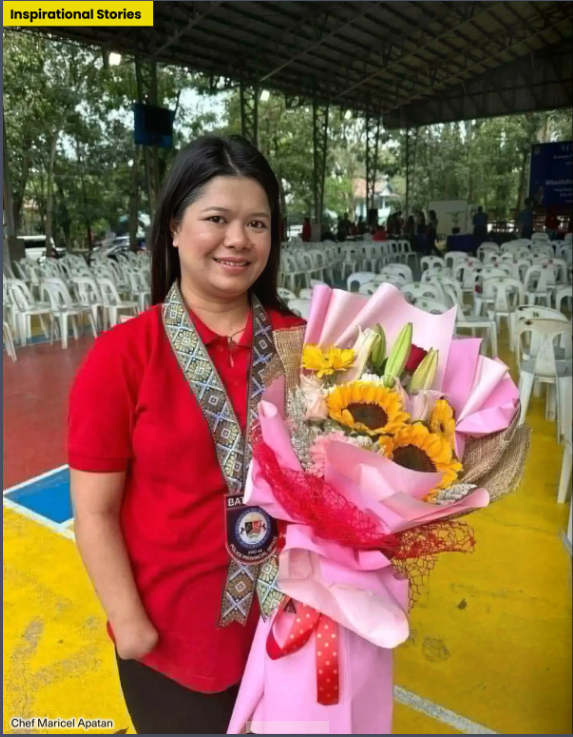
Every school morning, Maricel Apatan prepares baon, or snacks, for her seven-year-old son before heading to work as a pastry chef instructor. It is an ordinary part of family life, but the hands that might typically be associated with chopping, mixing, decorating and packing are absent. Maricel has no hands.
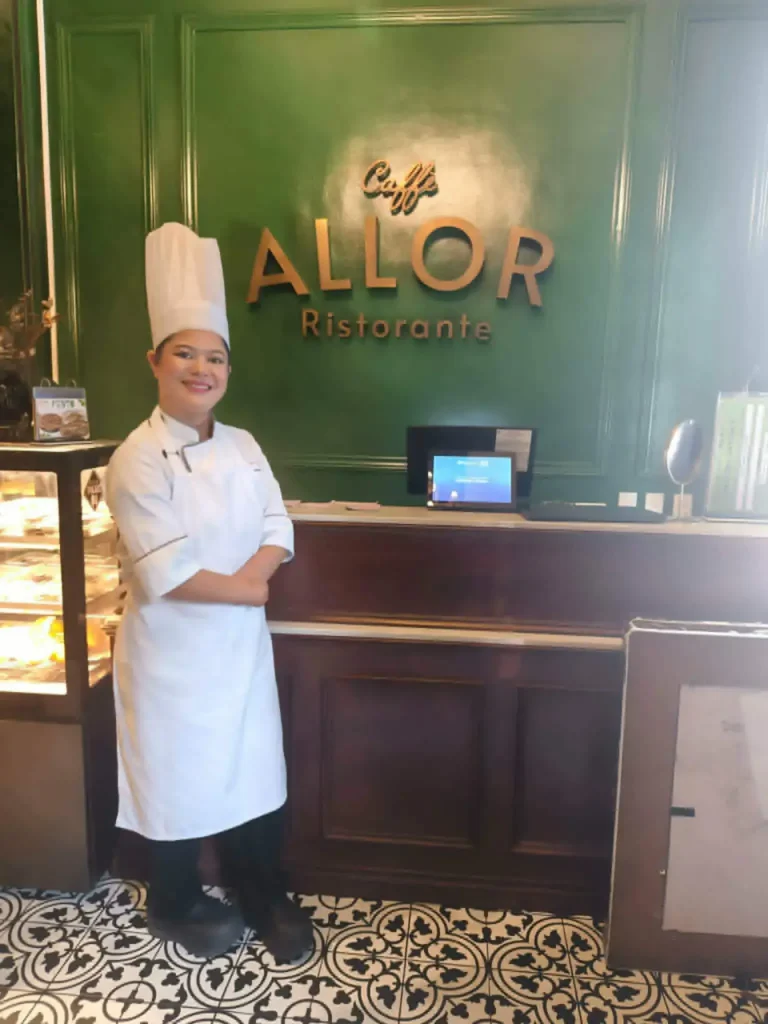
She is also a professionally trained pastry chef whose career has taken her through hotel kitchens, bakeries, culinary schools and teaching. Her life is a reminder that disability does not determine a person’s capacity, ambition or contribution. Sometimes, the greatest barriers are the expectations other people place around what they believe a disabled person can do.
Maricel was 12 when her life changed violently. During a dispute over her family’s land in Zamboanga City in Mindanao, Philippines, her uncle was killed. Maricel survived an attack that left her with a slashed neck and injuries so severe that she lost both hands.
Survival was only the beginning. Tasks she had previously done independently suddenly required assistance. Her mother fed and bathed her, while her younger siblings took on household chores she could no longer perform.
Then there was school. Classmates stared, whispered and mocked her. Some questioned why she continued attending when she could not even write. Maricel continued anyway.
Supported by her family and her faith, she gradually adapted to life without her hands. Archbishop Antonio Ledesma, a distant relative who had helped her family with hospital expenses and the legal aftermath of the attack, later assisted her in staying at the House With No Steps Foundation while she studied in Quezon City. Education would become an important part of how Maricel reclaimed control over her future.
Cooking had been a passion since childhood. As the eldest child, she had been preparing food for her family from around the age of seven. She eventually enrolled in Hotel and Restaurant Management at Lourdes College in Cagayan de Oro City. Even there, attitudes toward her disability followed her. She encountered sarcasm and bullying, including people reducing her identity to the fact that she had no hands. Instead of allowing other people’s assumptions to define the boundaries of her life, Maricel concentrated on what she wanted to become.
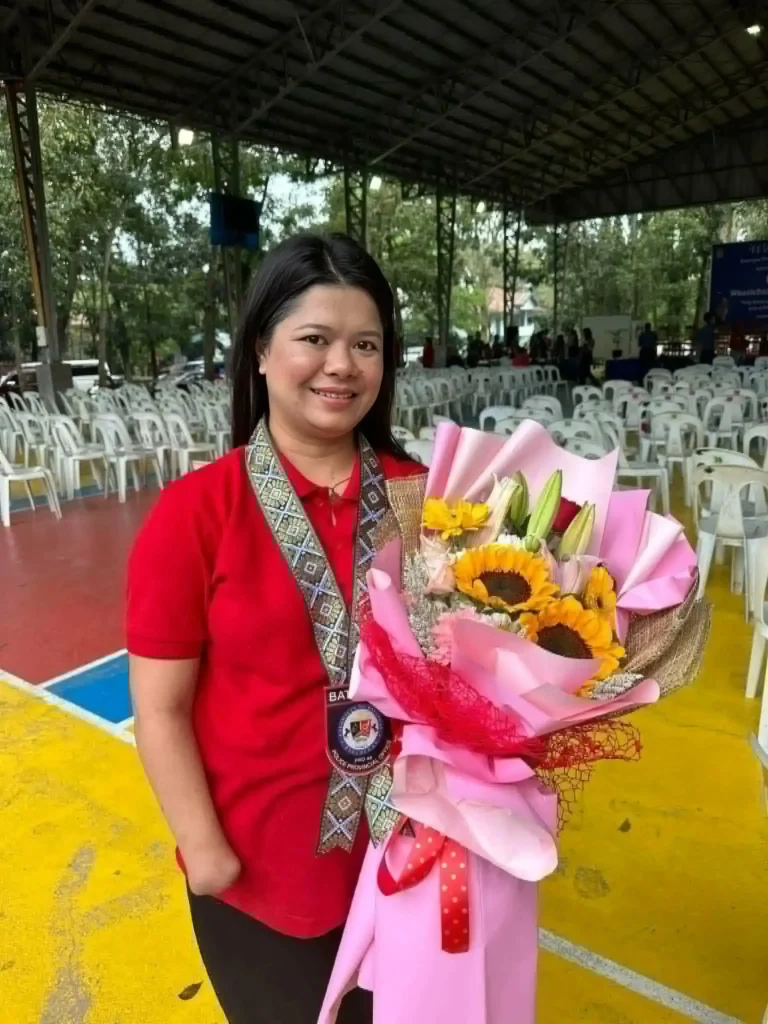
“I told myself, I can handle this challenge, and I will improve until I am a full-fledged Pastry Chef.”
After completing her two-year course, she continued her education at Global Academy Culinary Arts and Hospitality Academy in Quezon City. Professional culinary training demanded precision. Knife skills, deboning fish and separating meat from bone are challenging for any student learning the craft. Maricel had to find techniques that worked for her body while maintaining the safety and standards expected in a professional kitchen.
“This is the biggest challenge for someone studying cooking because even one mistake could injure me if I’m not careful,” she said. She mastered those skills.
Maricel earned a Grand Diploma in Professional Culinary Arts and Baking Production and went on to work as a Commissary 1 Chef at EDSA Shangri-La Hotel. There, she baked and decorated thousands of pastries, including Filipino, Italian and other European specialties. She needed little assistance from colleagues for the work itself, although some tasks, such as lifting or transferring hot pots, required help. Needing assistance with a particular task did not make Maricel incapable of being a chef. It meant that, like many disabled professionals, she understood what she could do independently, where adaptations were necessary and when assistance made a task safer.
Her career continued to grow. She worked as kitchen staff at Congo Grille – Visayas, Pastry Sous Chef at The Royal Touch Cupcakes, Pastry Chef at Misaki Pizza and Bakeshop, and Commissary 2 Chef with the culinary and hospitality education programs at De La Salle–College of Saint Benilde. She also became a food blogger for Alagang Akay, pastry-making, baking, cooking using her own recipes and techniques and teaching which became another part of her professional identity. While working at EDSA Shangri-La, she spent her days off working part-time as a pastry chef instructor at Chef Den’s Culinary Institute. Her work also helped change circumstances for the people closest to her. With support she had received through organizations and scholarship initiatives along the way, Maricel was able to help finance the education of her five siblings. As they progressed, that responsibility began to be shared. Her brother Mario eventually completed his studies and took responsibility for helping their two youngest siblings through school.

Maricel was also able to buy a home for her parents in Zamboanga Sibugay and her ambitions have continued to evolve. She once dreamed of becoming a singer but cooking remained her profession. Today, she has another goal.
“Now, my dream is simply to have my own business, such as a restaurant.”
Maricel’s story could easily be reduced to one familiar message: a woman “overcame” her disability to become successful.
But that misses something important. Her disability remains part of her life and some tasks still require assistance. What changed was her ability to develop new ways of doing things, gain professional skills and insist on being given room to use them.
The girl whose classmates once questioned why she bothered going to school became the woman teaching other people how to cook. And that is the strong message her life offers. Capability does not always look the way people expect it to and independence does not mean never needing assistance.
Maricel Apatan did not need to become less disabled to build a successful life. She just needed the opportunity to become what she already knew she could be.