Listen to this Article
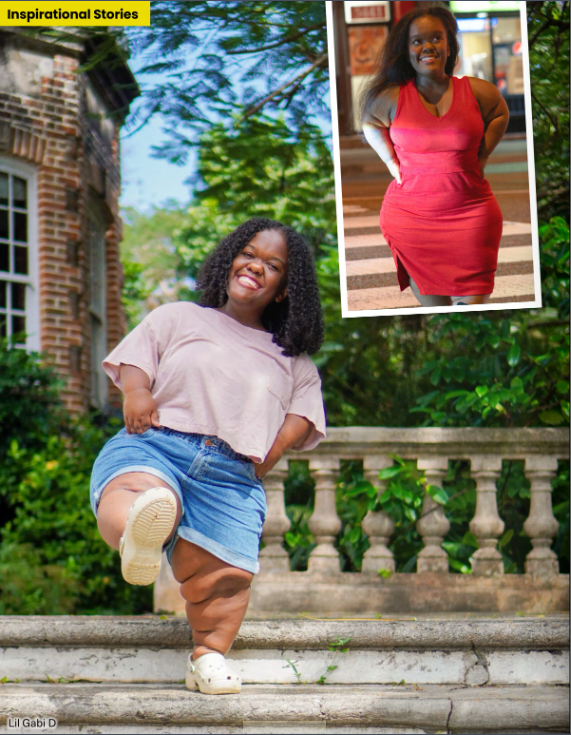
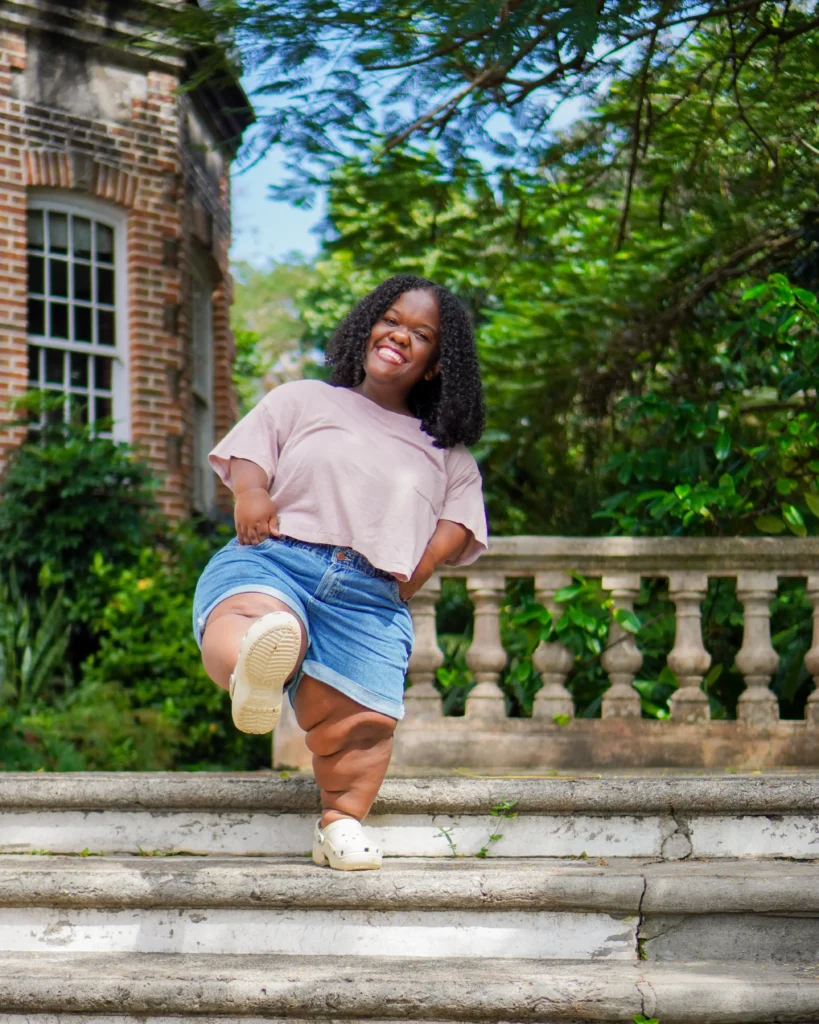
There is a moment in every conversation with Lil Gabi D when you realize she isn’t trying to change who she is. She is trying to change what people expect.
Known online as the “Friendly Internet Little Person,” the Canadian content creator has built a community by sharing everyday life with honesty, humour and openness. What began as a creative outlet on YouTube has grown into something much larger: a platform where disabled people can see themselves reflected and where everyone else can gain a better understanding of disability beyond the stereotypes.
Growing up, Lil Gabi D rarely saw little people who reflected her own experience in television and film. Representation was already limited, and seeing little people of colour was even rarer. When little people did appear, they were often portrayed as fantasy characters rather than as people living ordinary lives.
“I wanted the next generation of little people of colour, or little people in general, to see somebody that looked like them,” she says.
For Lil Gabi D, representation is about much more than visibility. It shapes expectations. Too often, disability is portrayed through reality television or dramatic storylines rather than through ordinary, everyday experiences.
“We’re just living life like everybody else,” she says.
Helping people see that reality is what guides the content she creates. She shares milestones, funny moments and honest conversations about disability, while remaining intentional about what she keeps private. Being easily recognizable has made her especially mindful of protecting her safety and maintaining personal boundaries online.
“I’ll share life moments,” she says, “but then I’ll pick and choose between the hard moments and the positive moments.”
That careful approach became especially important when she experienced a sudden spinal cord injury. She stepped away from social media for about two months while she processed what had happened and adjusted to the changes in her life. Once she felt ready, she returned and began sharing the experience on her own terms.
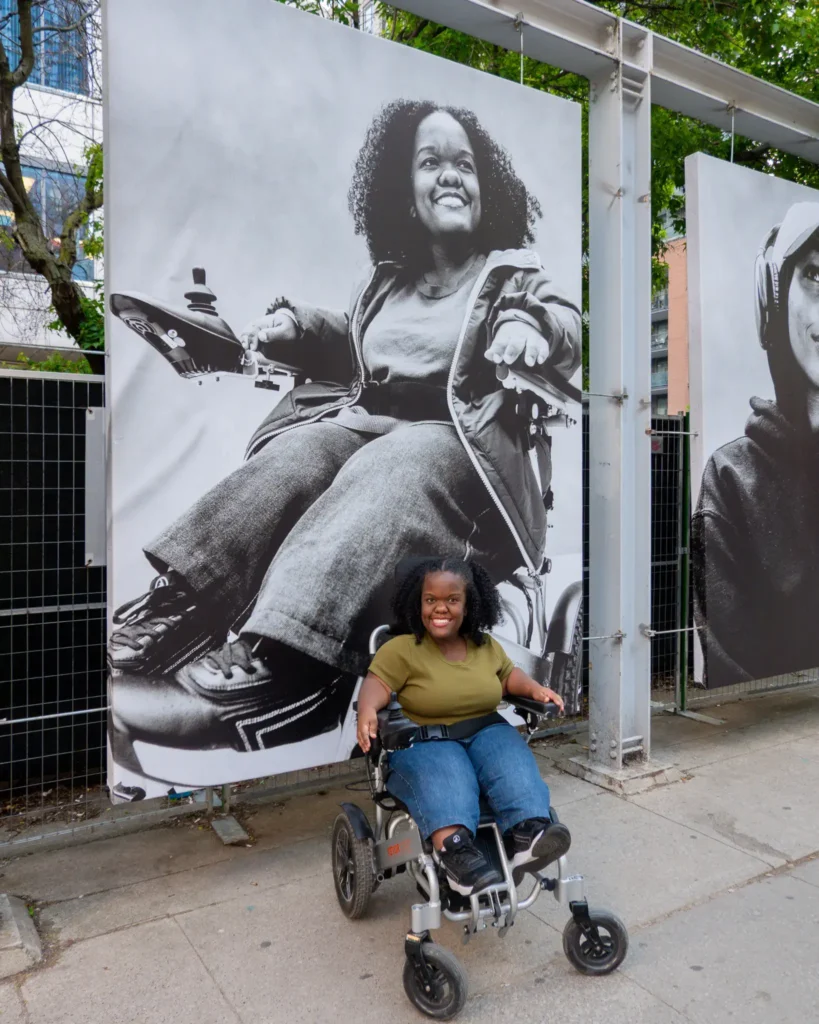
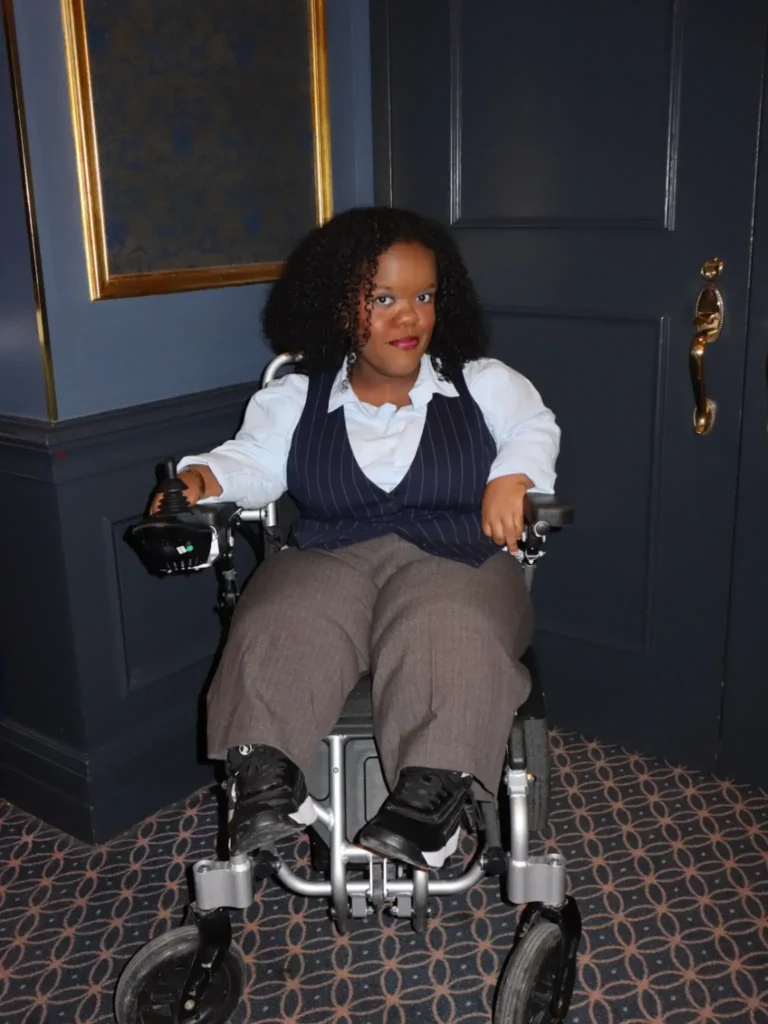
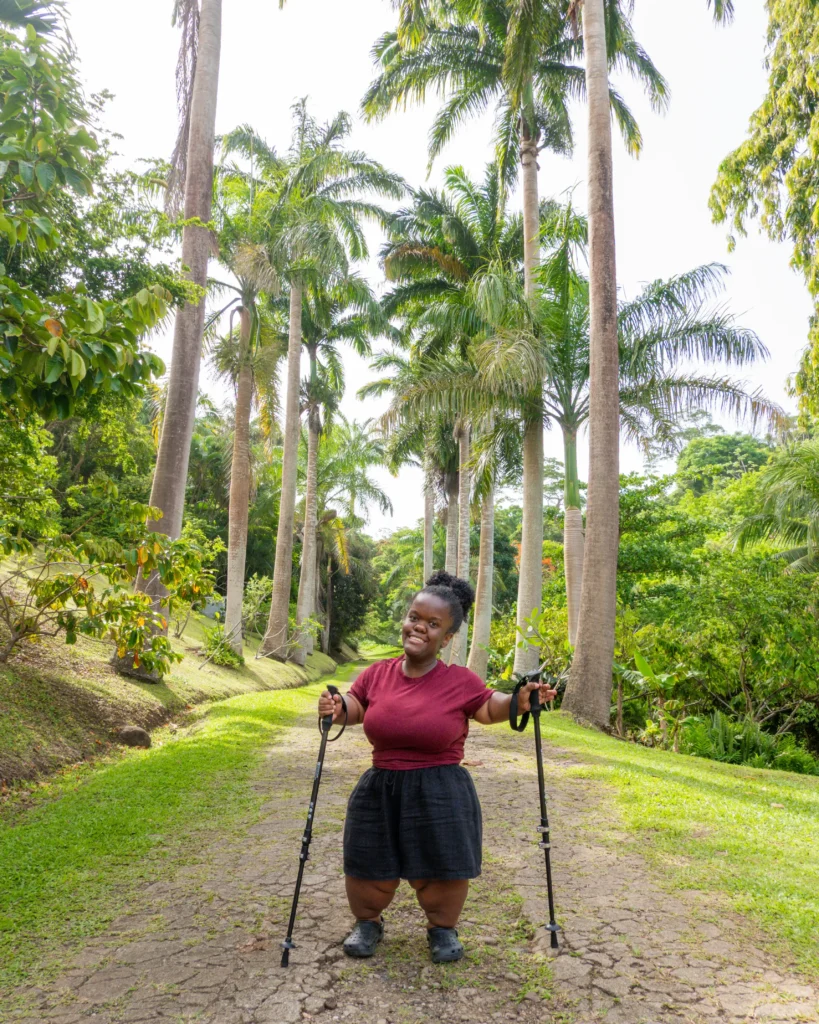
The injury itself came without warning. There was no accident. She initially believed she was dealing with sciatica until one day her right leg gave way. Doctors eventually diagnosed a spinal cord injury that required surgery, hospital care and rehabilitation. Today, she uses a wheelchair and continues to rebuild her strength. She also uses mobility devices like a cane and walking sticks.
The experience changed the way she thinks about accessibility. Before her injury, many of the accessibility barriers she encountered centred on reaching objects designed for taller people. Now, different questions shape almost every outing.
Where is the elevator? Can I get into this building? Is there a single step that makes the space inaccessible?
“It allowed me to change perspective and think more thoroughly about my day-to-day activities,” she says.
One issue, however, continues to frustrate her more than almost any other: the way society treats people with dwarfism. She says dwarfism remains one of the few disabilities that people still openly mock without consequence. Videos of little people are frequently shared online simply because of their height, often without their knowledge or permission.
“We’re just like everybody else,” she says. “Being shorter doesn’t make it okay to make fun of us.”
That desire to educate has become central to everything she does. Social media has introduced her to what she describes as a beautiful community while creating opportunities to answer questions before people feel the need to ask them in person.
“If you see me and you’re polite, you can ask me a question,” she says. “But if you can educate yourself beforehand, that would be amazing.”
She also hopes people will rethink how they interact with disabled people in everyday situations.
“Always be a helping hand,” she explains, “but don’t assume we can’t do anything.” For Lil Gabi D, offering help should always begin with asking rather than assuming.
She is equally honest about the emotional side of disability. Confidence, she says, is not something a person achieves once and keeps forever. “It fluctuates.” Some days are easier than others. For her, confidence means loving yourself while also finding the strength to get back up after difficult days.
Mental health is another conversation she believes deserves far more attention within the disability community. Social media often shows only one side of a person’s life. “Yes, I’m posting, yes, everything’s good, everything’s great online or outwardly,” she says. “But if I go home to my room, maybe I have a little tear, maybe I have a little cry.”
For Lil Gabi D, creating a more inclusive world means paying attention to both the emotional and practical barriers disabled people encounter. Accessibility, in her view, extends well beyond ramps and elevators. Digital accessibility deserves just as much attention.
She adds alternative text to every Instagram photo she posts, includes video descriptions whenever possible and makes an effort to describe what viewers are seeing instead of simply saying, “Look at this.” She also encourages organizations to create documents that use larger fonts and are compatible with screen readers so more people can access information independently.
If she could change one thing tomorrow, it would be making every building accessible. A simple ramp outside a business may seem like a small improvement, but it benefits wheelchair users, parents pushing strollers, older adults using walkers and many others.
“Do these small changes,” she says. “Just make everything more accessible.”
Looking ahead, Lil Gabi D is focused on building community, creating representation and remaining open to whatever comes next.
That openness has already led to opportunities she could not have predicted. This year, her face appeared on a public display outside David Pecaut Square in downtown Toronto as part of AccessFest, something she says she never imagined at the beginning of the year.
For her, moments like that are less about personal recognition than about what the visibility can make possible. She wants to keep creating, keep learning and keep making space for others to see themselves represented.
When she was born, doctors told her parents they were sorry. They couldn’t possibly have known what her future would hold, neither could she.
Today, Lil Gabi D continues to challenge assumptions one conversation, one video and one story at a time. In doing so, she reminds people that disability is not something to be pitied or feared. It is simply one part of a person’s life, and every life deserves to be seen with dignity, authenticity and respect.