

Listen to this Article
of Down syndrome, one handmade piece at a time.
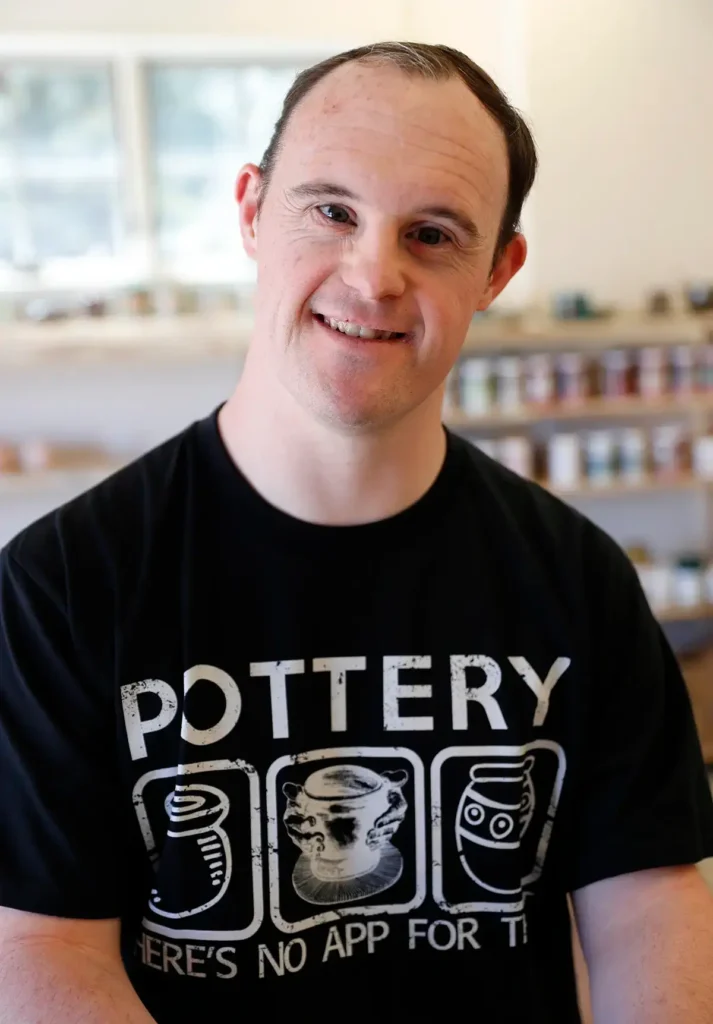
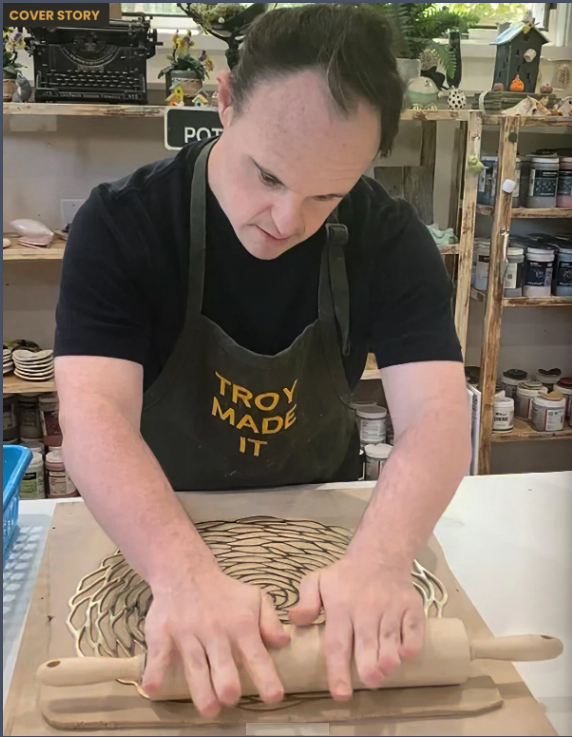
There is a quiet kind of magic that happens when Troy Drake sits down with a piece of clay. He does not rush, nor does he talk much. He simply concentrates, gently shaping each piece with careful hands and complete focus. If someone picks up one of his unfinished creations too quickly, he offers the same reminder every time.
“Treat it like a baby chick.”
It is a simple sentence, but somehow it tells you everything about thirty-six-year-old Troy. There is gentleness in the way he works and patience in the way he creates. You don’t need to know Troy’s story to appreciate his work. The craftsmanship stands on its own. Only later do you discover the remarkable man behind it.
That, his mother Suzanne says, is exactly the point.
“I want people to see beautiful pottery first,” she explains. “I don’t want them buying it because they feel sorry for someone with Down syndrome. They’re buying quality pottery.”
Today, Troy’s handmade plates, bowls, ornaments and serving pieces sell out within minutes. His Christmas ornaments are especially sought after. When 400 were released, about 14,000 people visited his Etsy shop, and every ornament was gone in roughly two minutes.
None of this was ever supposed to happen.
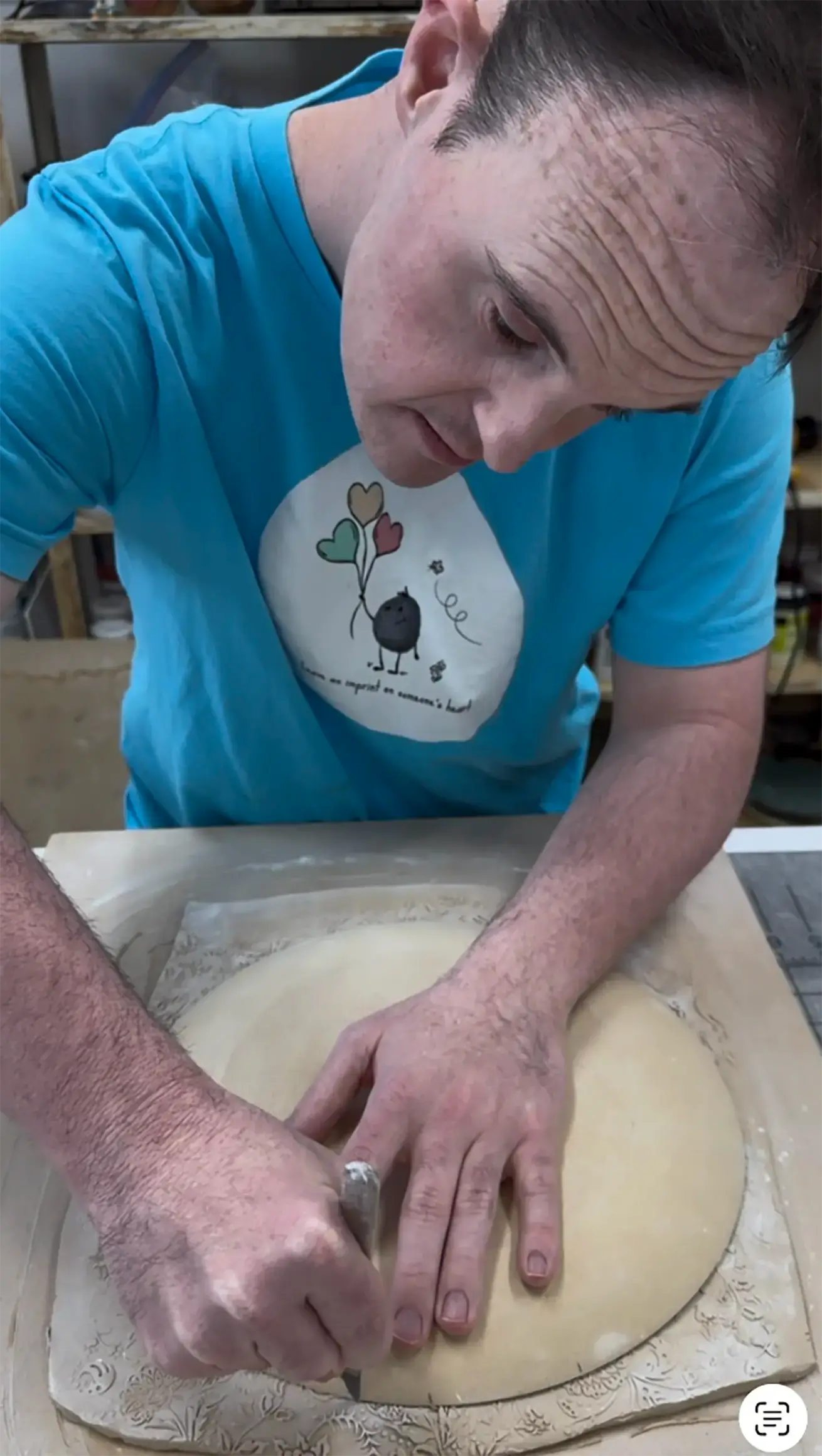
Seven years ago, Suzanne and her husband had recently sold their business and were looking for something enjoyable to do together. They enrolled in a pottery class nearby and asked whether Troy could join them. After meeting him, the instructors suggested he enrol in a hand-building class, where he would shape clay by hand instead of using a pottery wheel. He loved it immediately. As Suzanne continued making pottery alongside him, the family bought a kiln so they could keep creating at home.
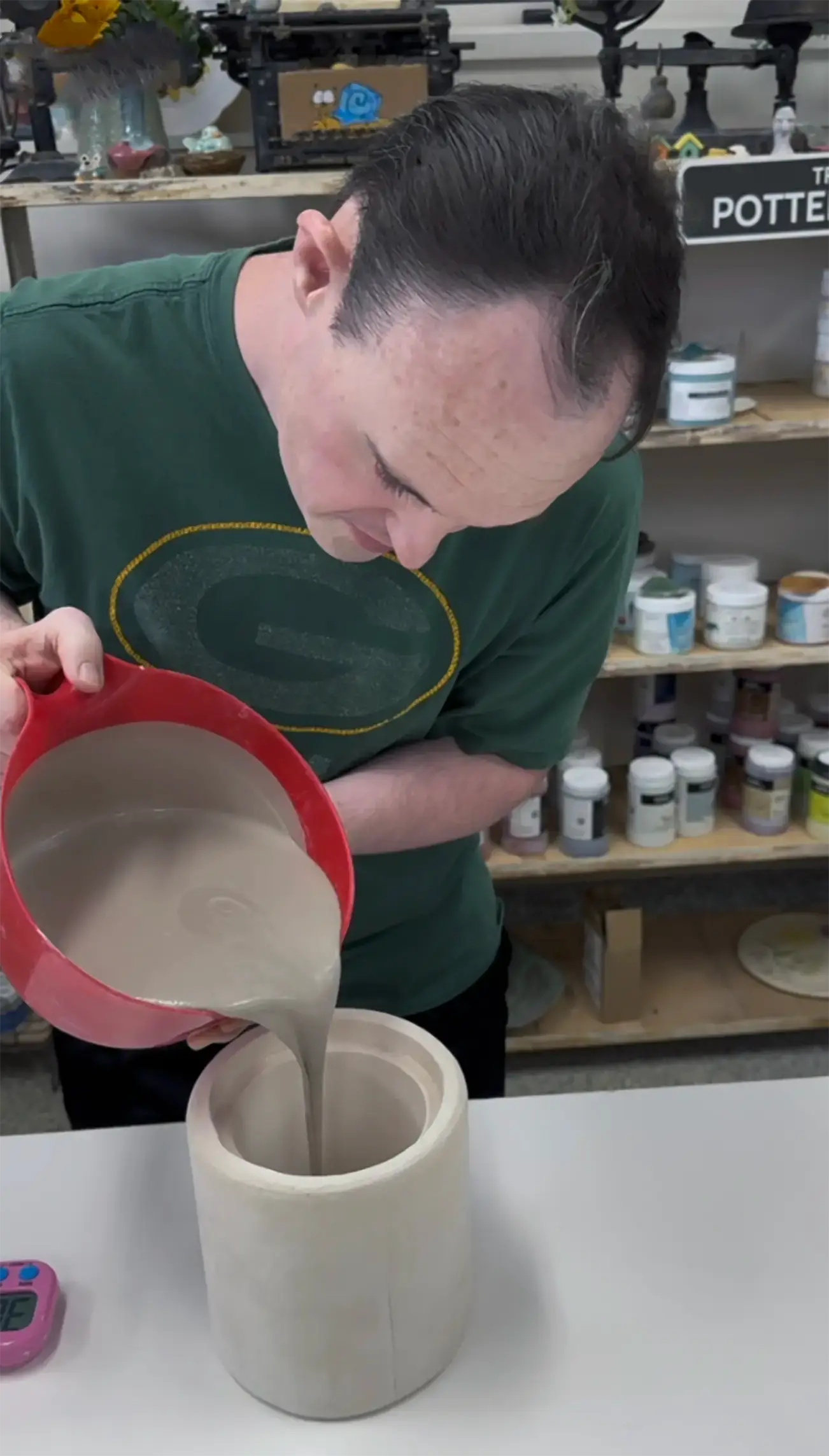
Instagram came later, almost by accident. Suzanne was hesitant when her daughter’s partner suggested filming Troy at work and sharing the videos online. She wasn’t interested in social media and assumed only family and friends would ever watch. But she was persuaded by the thought that Instagram featured very few adults with Down syndrome and that sharing Troy’s life might help young families imagine what was possible.
She began posting simple videos with no expectation that anything would come of them. Selling pottery was never part of the plan.
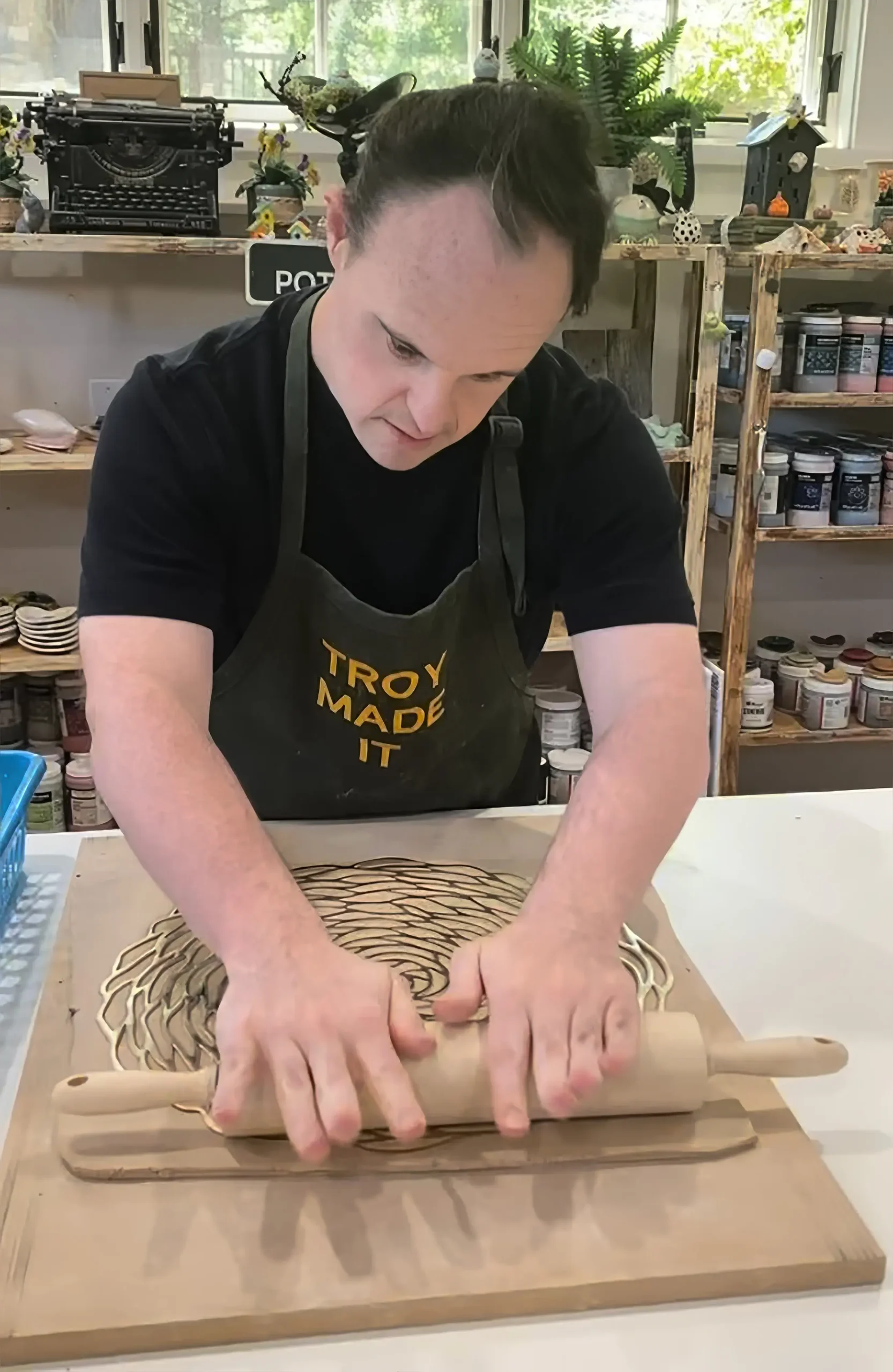
Then came the question from followers she hadn’t expected. Could we buy one?
At first, the requests came mostly from families who also had a child with Down syndrome. During the first year, Troy sold about $12,000 worth of pottery, and every dollar was donated to Ruby’s Rainbow, which provides college scholarships for adults with Down syndrome. They have continued supporting the organization ever since.
From there, the audience grew organically. More families discovered Troy. Then potters found him. Before long, an online community had formed around both his craftsmanship and the quiet joy he brings to every piece he creates.
What began as a hobby had quietly grown into something much bigger than pottery.
At the largest clay conference in the United States, Troy could barely walk through the convention without people stopping him for photographs. Ceramic teachers told Suzanne they regularly show Troy’s videos in their classrooms. Potters thanked him for inspiring a new generation of artists. One woman burst into tears when she met him because her own brother has Down syndrome. There are moments that still surprise the family. Someone recognised Troy in an airport in Norway. Another traveller spotted him in an airport lounge in Taiwan and ended up sitting down to play games with the family.
“It was never about getting on a soapbox,” Suzanne says. “People are simply watching Troy live his life, and they’re seeing what someone with Down syndrome is capable of.”
Perhaps the most powerful story came after a PBS feature about Troy aired nationally. A woman watched the program while she was in labour. Hours later, she gave birth to a baby with Down syndrome, something she had not known during her pregnancy. In the days that followed, she contacted Suzanne. Watching Troy quietly shape clay had changed everything for her. Instead of fear, she saw possibility. Instead of uncertainty, she saw a future filled with purpose, happiness and joy.
As Suzanne recalls the story, tears fill her eyes. “Now she knows her life will be fine because she saw Troy.” She pauses before adding another thought. “There is so much more to this than just him selling pottery.”
The internet is often criticized for amplifying anger, division and cruelty. Suzanne has seen some of that directed at other families raising children with Down syndrome. Some comments have been unimaginably cruel.

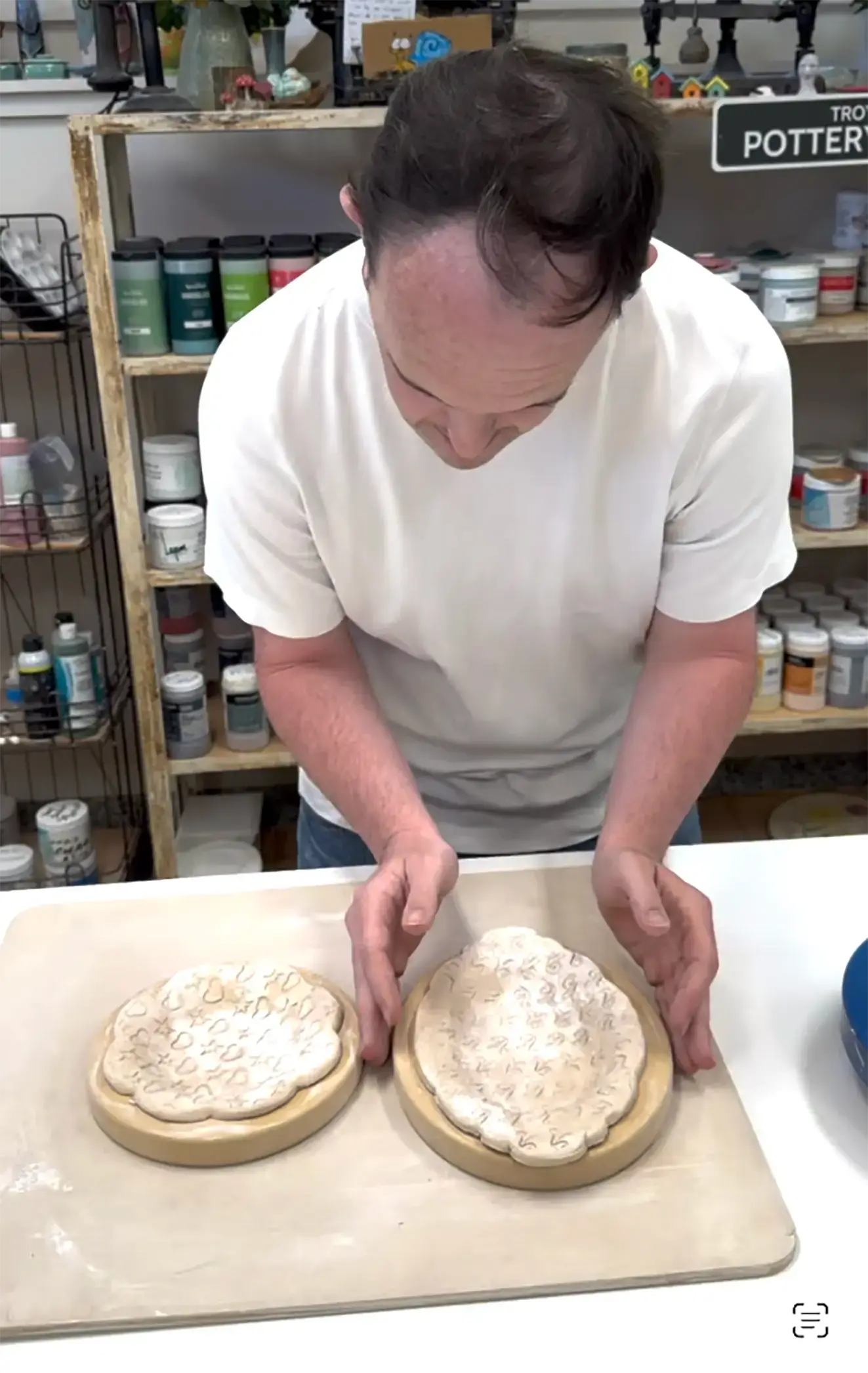
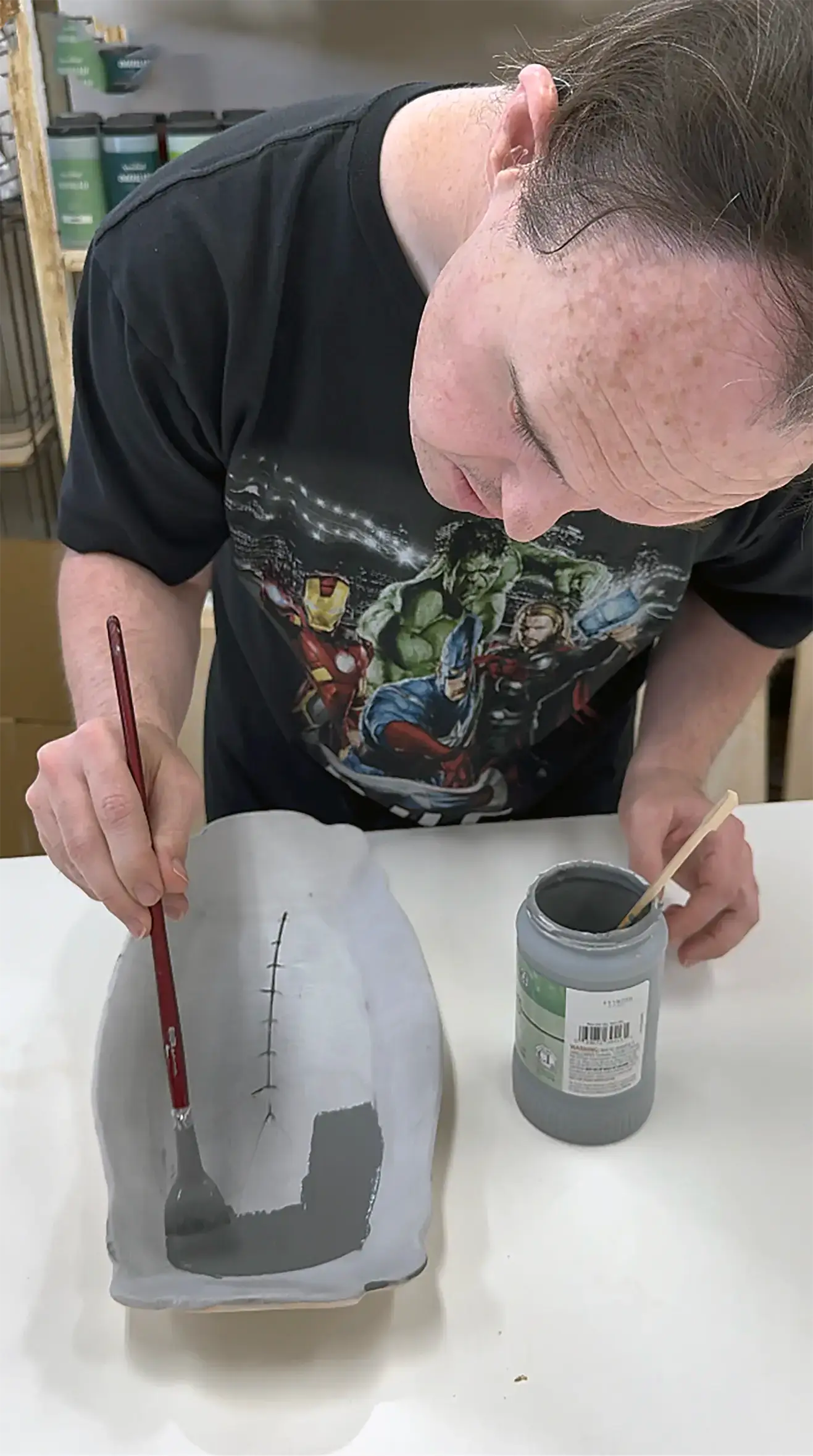
Yet somehow, Troy seems to have found one of the internet’s gentlest corners. His community protects him.
When shipping companies damaged many of his delicate Christmas ornaments last year, Suzanne feared customers would be devastated. Instead, people shared tips on repairing them. Some offered to buy broken ornaments from others. Almost no one asked for a refund.
This year, every customer who received a broken ornament will receive another one free.
“His community is the best,” Suzanne says. “They’ve made a huge difference in Troy’s life.”
His pottery now lives in homes around the world, but Troy’s favourite thing to make remains wonderfully simple: Plates. He likes their shape.
It is exactly the kind of uncomplicated answer that makes everyone around him smile.
When five beautifully decorated lavender plates cracked in the kiln after hours of work, he simply shrugged.
“Oh well.” Then he started making the next batch.
For Troy, disappointment is simply part of the process, not the end of it.
Pottery teaches patience: clay cracks, glazes change colour, pieces break, and every firing carries uncertainty. Still, Troy returns to the clay every day. Not because every piece succeeds, but because creating brings him joy.
Suzanne never imagined any of this would happen. What began as a pottery class has grown into an online community of hundreds of thousands, inspired pottery students in classrooms across North America and given hope to families around the world.
Among the thousands of comments left on Troy’s social media posts, one has stayed with Suzanne more than any other: More Troys. Less trolls. It is difficult to imagine a more fitting tribute.
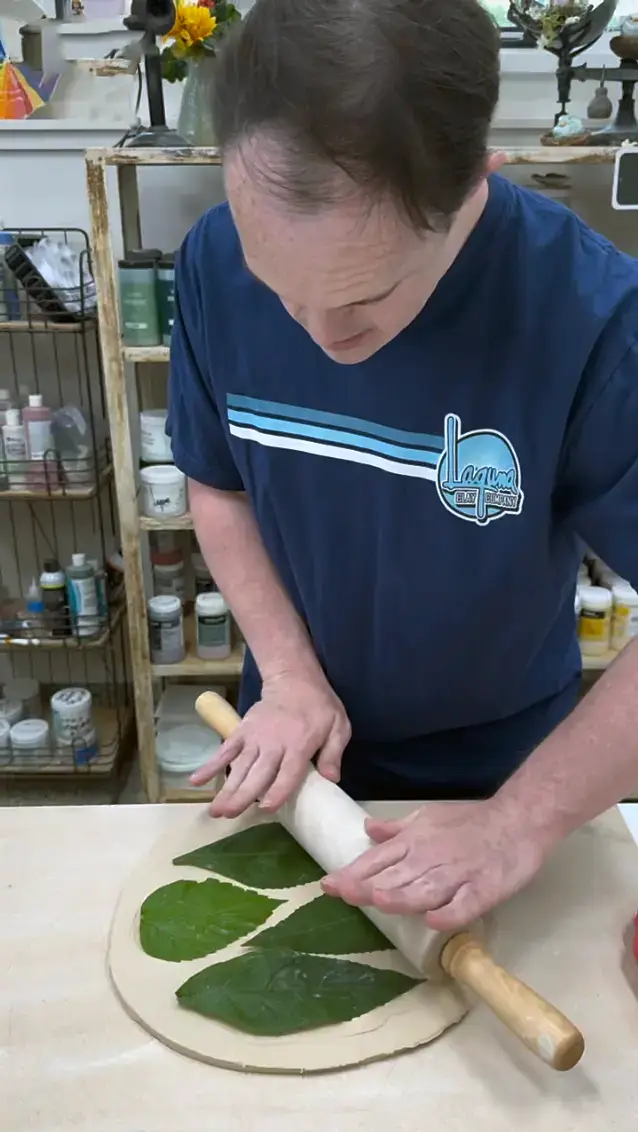
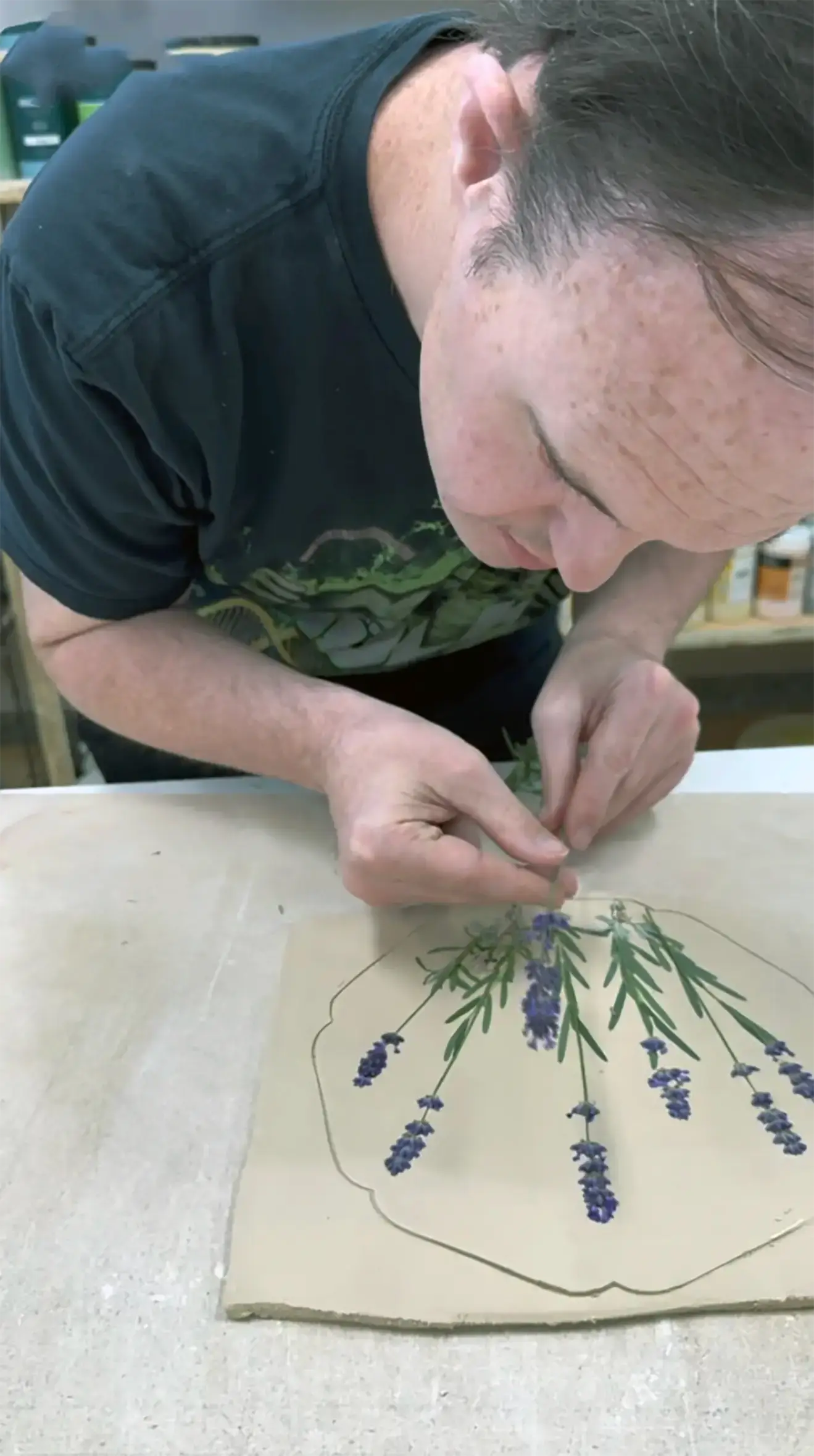
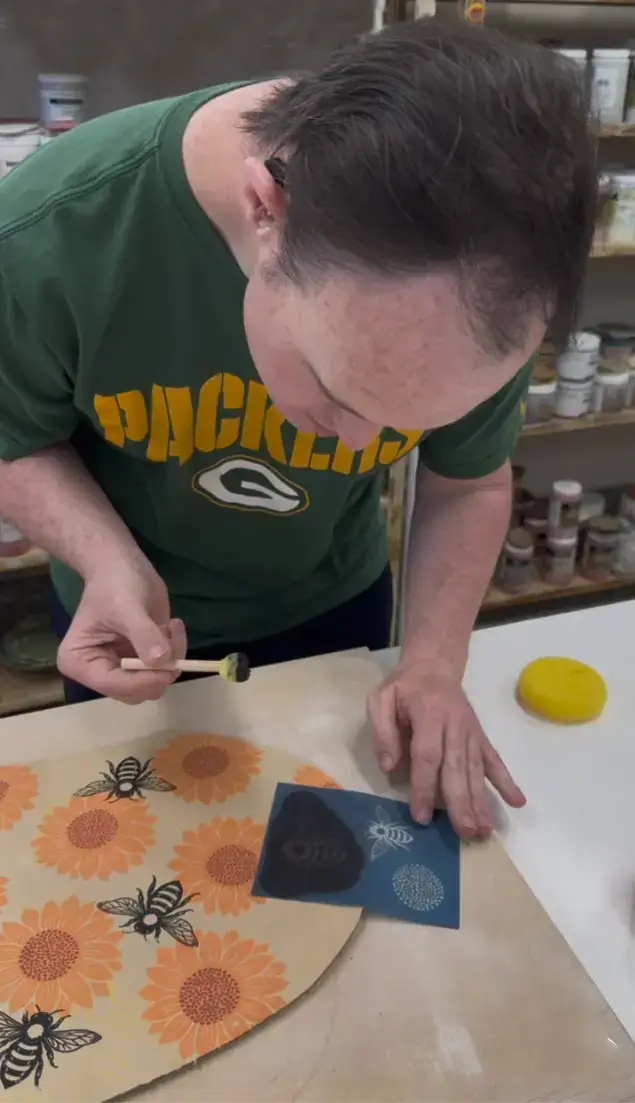

Troy has never set out to change opinions or become an advocate. He has simply shown up each day, sat down at his workbench and created something beautiful. In doing so, he has touched disabled and non-disabled people alike, reminding them that creativity, kindness and purpose belong to everyone.
Perhaps that is his greatest lesson.
Whether he is shaping a piece of clay, encouraging someone to handle it gently or beginning again after another cracked plate, Troy approaches life with the same patience, kindness and care.
“Treat it like a baby chick.” It is advice for pottery, certainly, but in Troy’s hands, it has become something more: a gentle reminder to treat one another with care.