By Matthew Medeiros
Listen to this Article
His legacy lives on through the people he inspired
An interview with Jennifer Maycock Gaiger on the life, legacy, and remarkable journey of her brother, Jonathan.
There are people whose stories deserve to be remembered not because of the challenges they faced, but because of the lives they chose to live.
Jonathan James Maycock was one of those people.
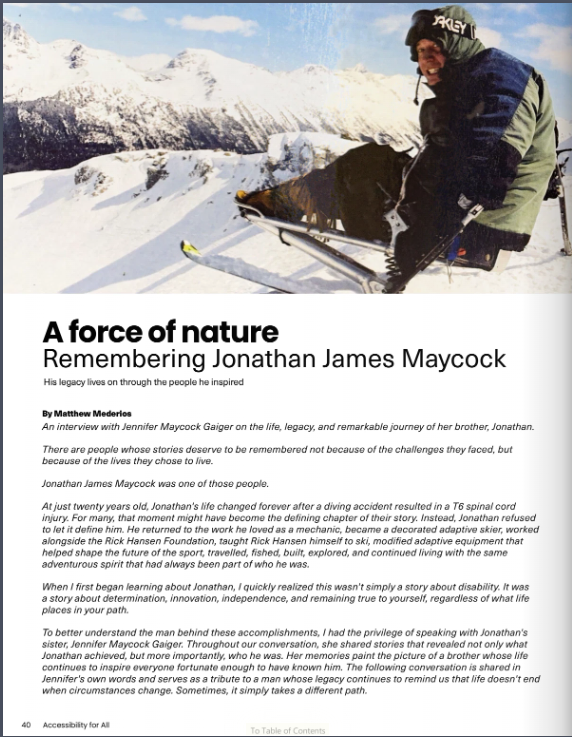
At just twenty years old, Jonathan’s life changed forever after a diving accident resulted in a T6 spinal cord injury. For many, that moment might have become the defining chapter of their story. Instead, Jonathan refused to let it define him. He returned to the work he loved as a mechanic, became a decorated adaptive skier, worked alongside the Rick Hansen Foundation, taught Rick Hansen himself to ski, modified adaptive equipment that helped shape the future of the sport, travelled, fished, built, explored, and continued living with the same adventurous spirit that had always been part of who he was.
When I first began learning about Jonathan, I quickly realized this wasn’t simply a story about disability. It was a story about determination, innovation, independence, and remaining true to yourself, regardless of what life places in your path.
To better understand the man behind these accomplishments, I had the privilege of speaking with Jonathan’s sister, Jennifer Maycock Gaiger. Throughout our conversation, she shared stories that revealed not only what Jonathan achieved, but more importantly, who he was. Her memories paint the picture of a brother whose life continues to inspire everyone fortunate enough to have known him. The following conversation is shared in Jennifer’s own words and serves as a tribute to a man whose legacy continues to remind us that life doesn’t end when circumstances change. Sometimes, it simply takes a different path.
MM: For readers who may not know Jonathan, how would you describe him first and foremost as a person, beyond his achievements?
JMG: Jon was a force.
He was 6’6”, strong, capable, and carried a presence you felt the moment he walked into a room. He didn’t need to announce himself… you just knew he was there. He had this rare mix about him. warm and magnetic, but also driven and intense. Stubborn in the best way. Soft when it mattered. And genuinely funny. He could draw people in without trying.
He had a big voice, but also a quiet confidence. And when that grin came out, the one with the dimple, you knew something thoughtful and meaningful was about to follow. My daughter Emily has that same dimple, and every time I see it, I see him. He was all of it. Strength, warmth, presence, and heart.
MM: Before his diving accident, what passions, personality traits, or dreams defined Jonathan, and how did those continue to shape him afterwards?
JMG: Before his accident, Jon was already that same force.
He was active, strong, and always drawn to movement and adventure. He loved the outdoors, the water, the mountains, anything that challenged him physically. He had a natural confidence and a drive to push himself that was just part of who he was. He also had a very independent mindset. If something interested him, he would find his way through it. He didn’t wait to be shown how.
After his accident, those qualities didn’t disappear, they just shifted direction.
His need to move, to explore, to live fully, all of that stayed. He didn’t become someone new. He carried who he was into a completely different reality and kept going in a way that still felt true to him.
MM: After his spinal cord injury at T6, what inner qualities or mindset helped Jonathan rebuild his life and sense of identity?
JMG: Jon had a mindset of “figure it out.” That was always who he was, and after his injury, it became everything.
He didn’t stay focused on what he had lost. He focused on what was still possible, and then pushed that as far as he could. There was a determination in him that didn’t allow him to stay still for long. He was incredibly independent, sometimes to a fault, but that independence is what helped him rebuild his life. If something needed to be adapted, he adapted it. If something didn’t exist, he built it.
There was also a quiet strength in him. He didn’t make a show of what he was doing. He just kept going, day by day, figuring things out and continuing forward. He carried who he was into a completely different reality.
MM: What did independence mean to Jonathan, and how did he work to maintain or redefine it throughout his life as a wheelchair user?
JMG: Independence meant everything to Jon.
It wasn’t something he talked about. It was something he lived, every single day. If there was a way to do something himself, he would. And if there wasn’t, he would create one. I watched him build that independence in real time. Modifying his equipment, adjusting what didn’t work, and pushing back against anything that tried to limit that.
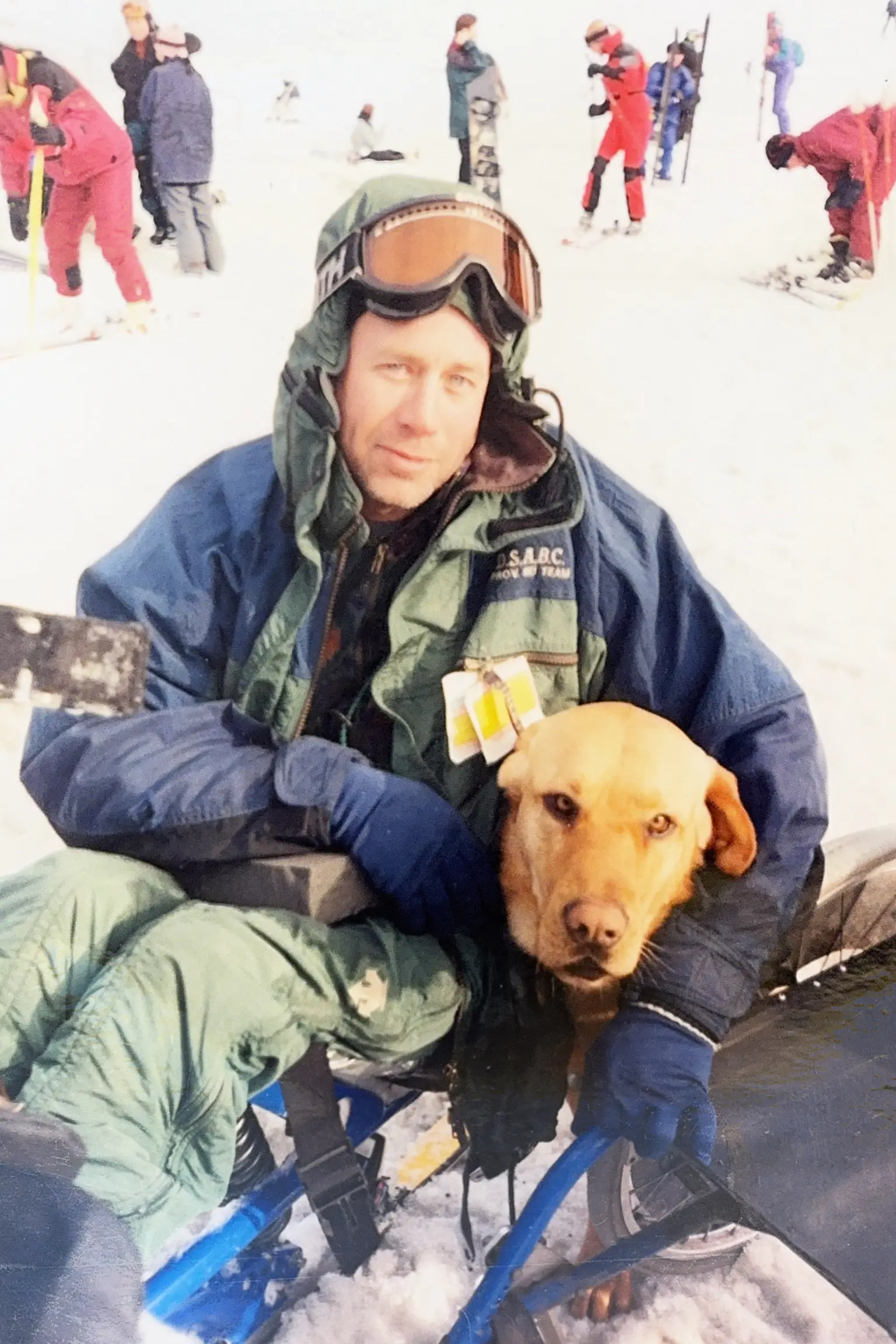
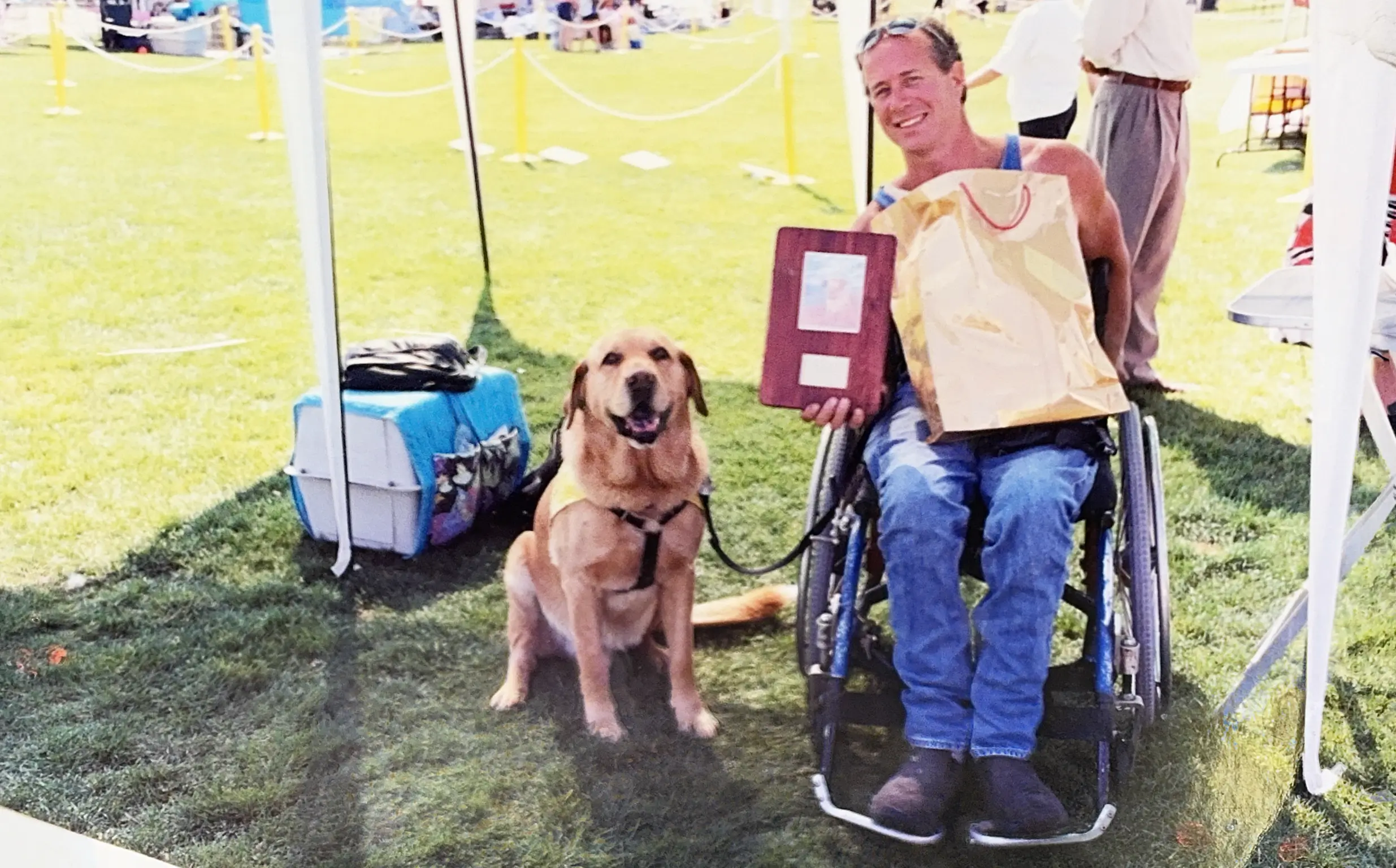
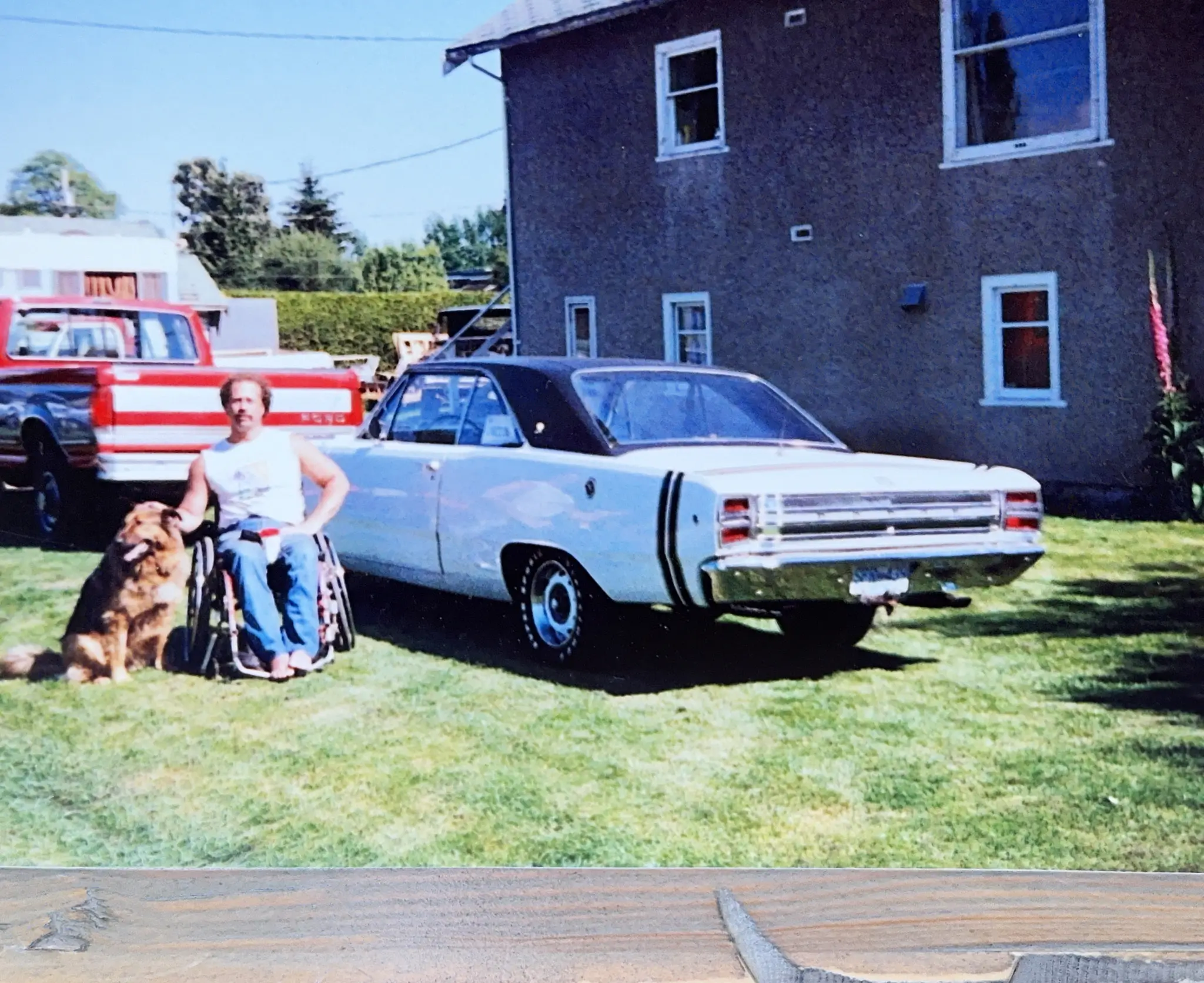
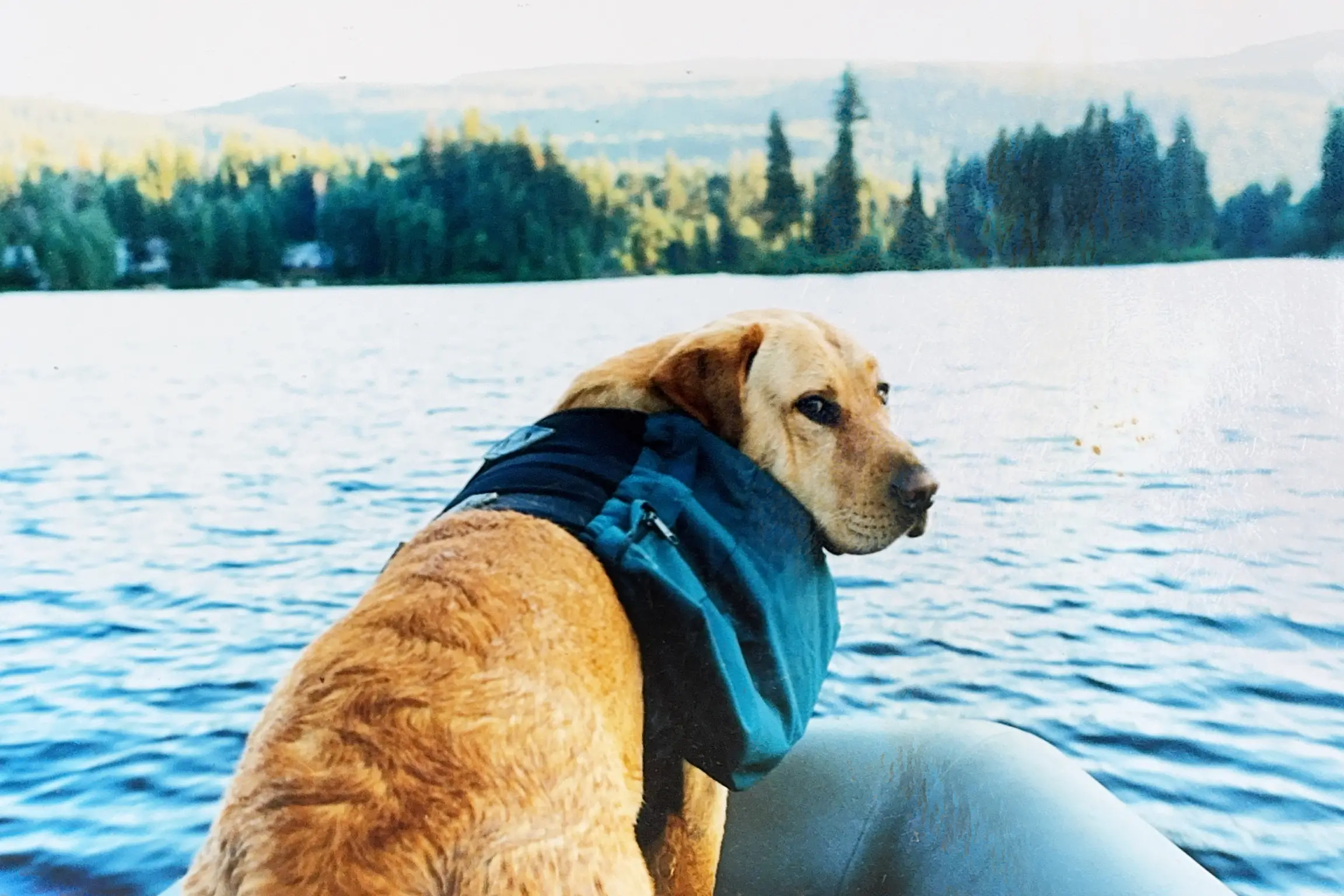
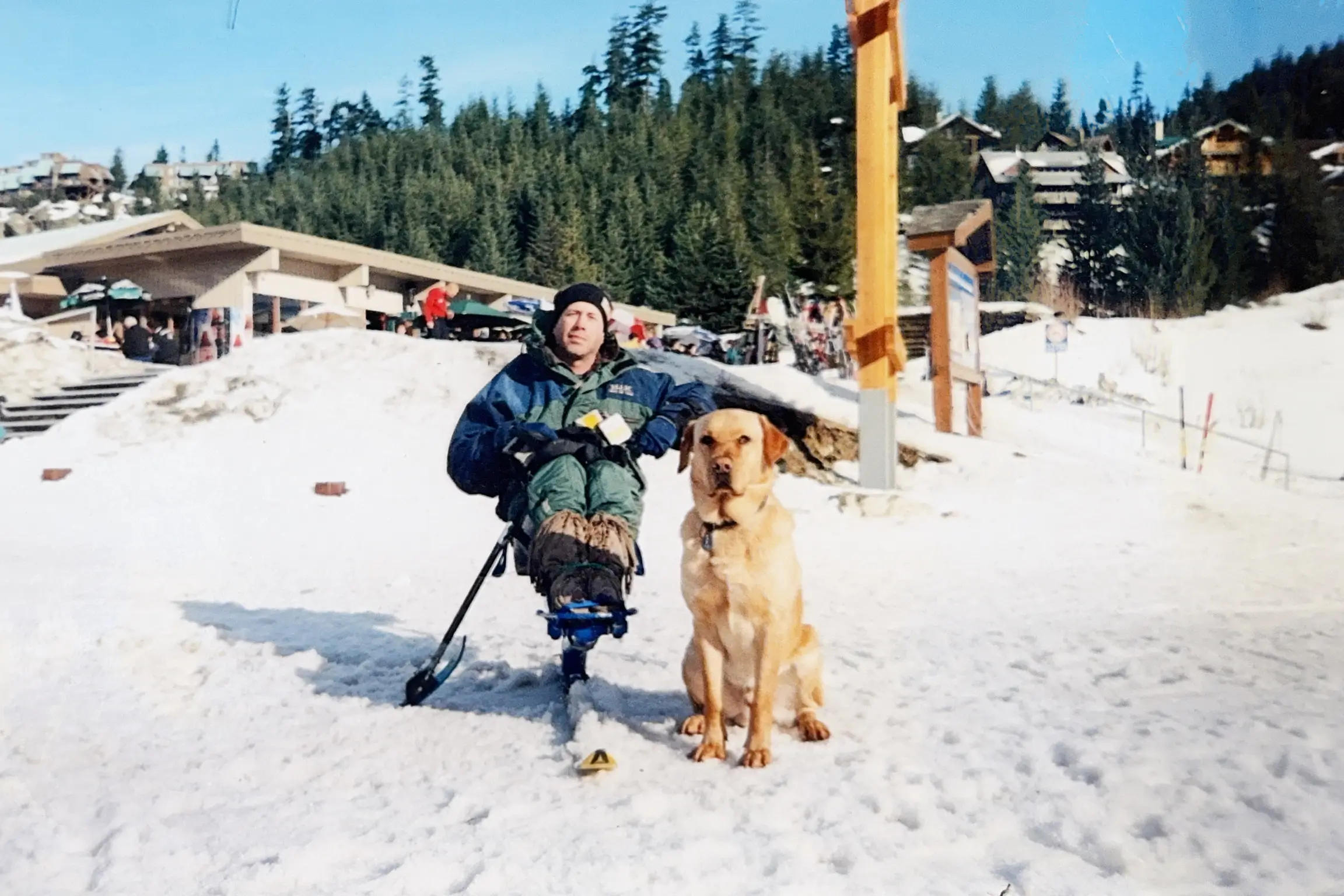
He found ways to get himself to the mountain, to ski, to travel, to work, and to live fully. K2 was a huge part of that, not just as a companion, but as a partner in how he moved through his life.
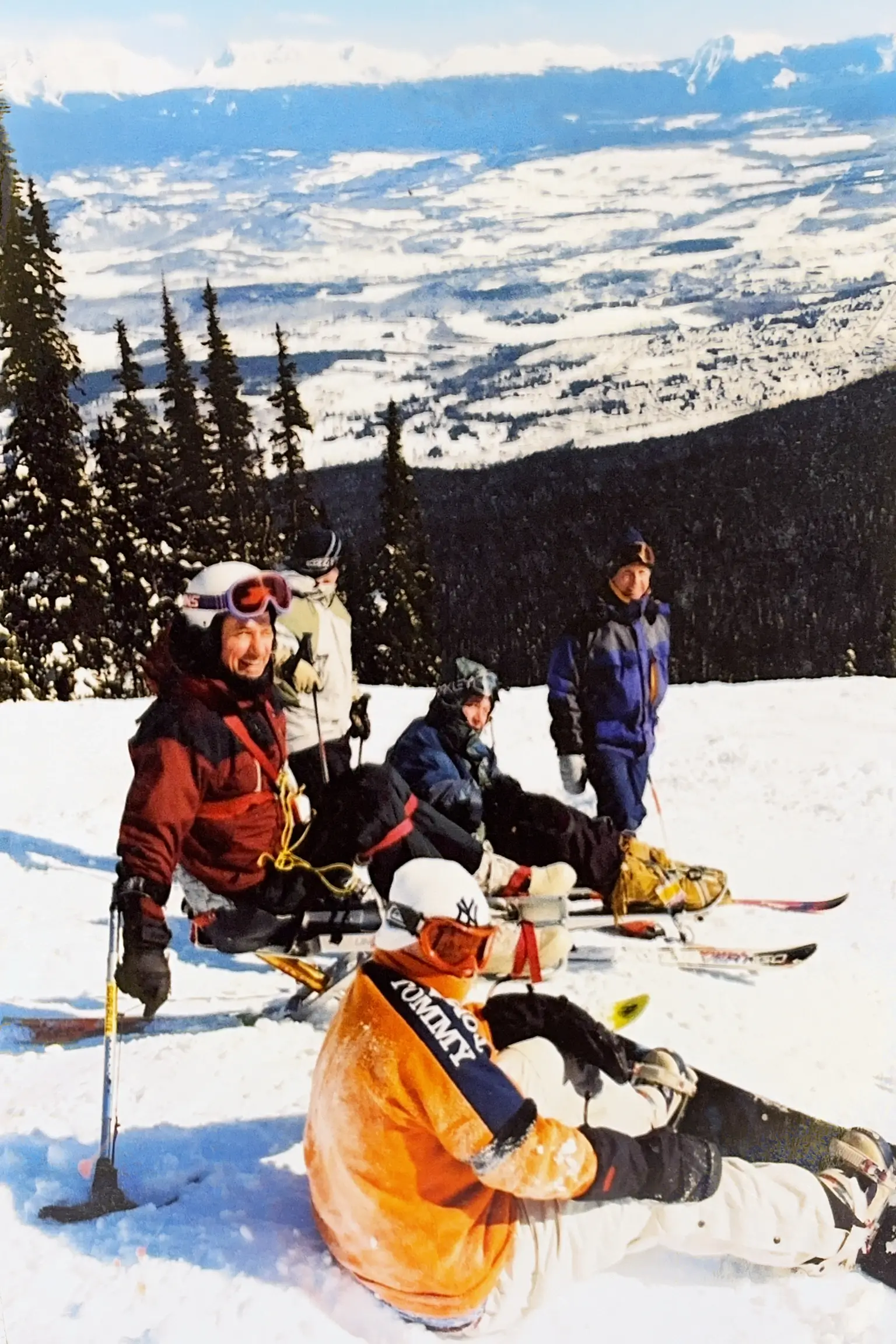
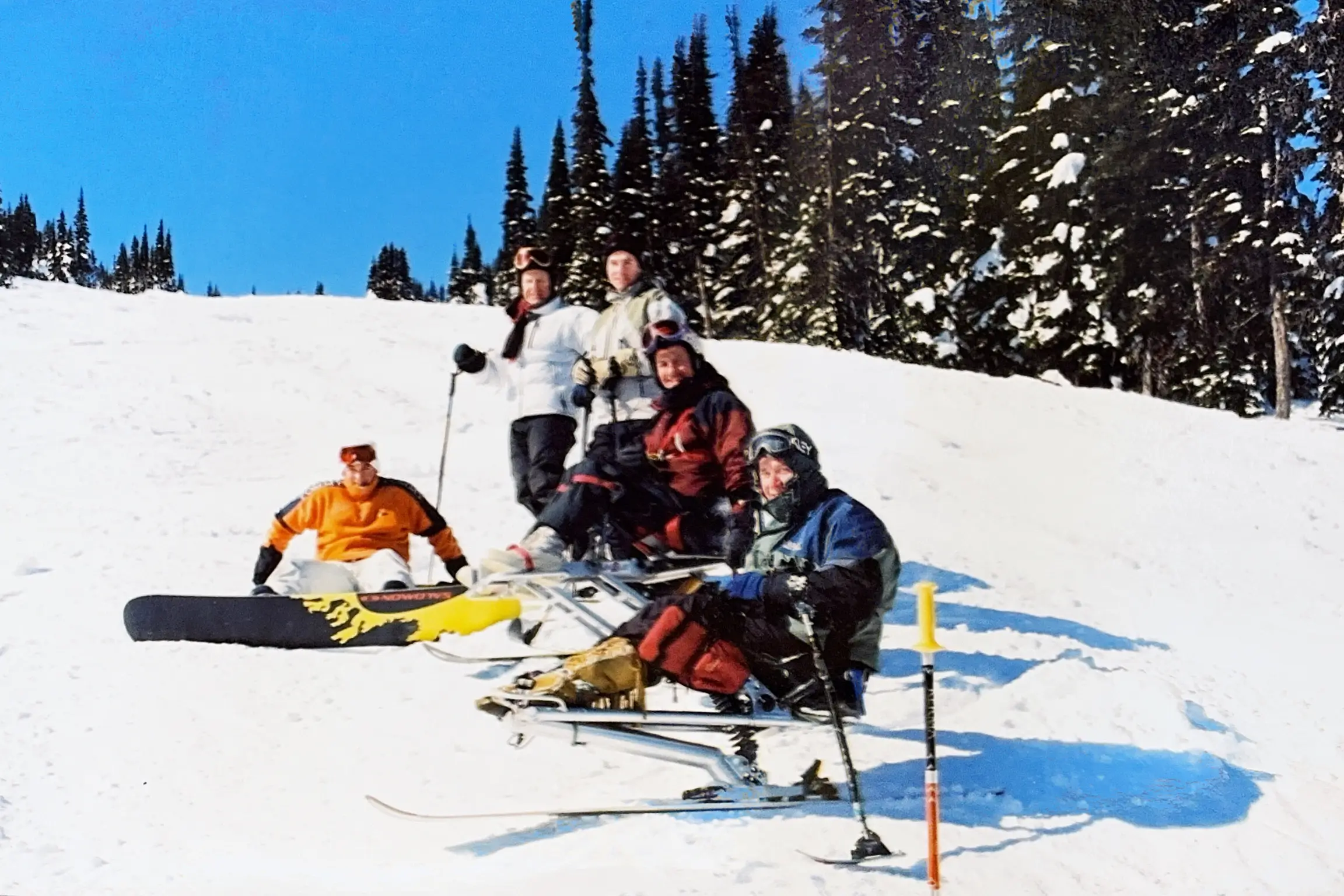
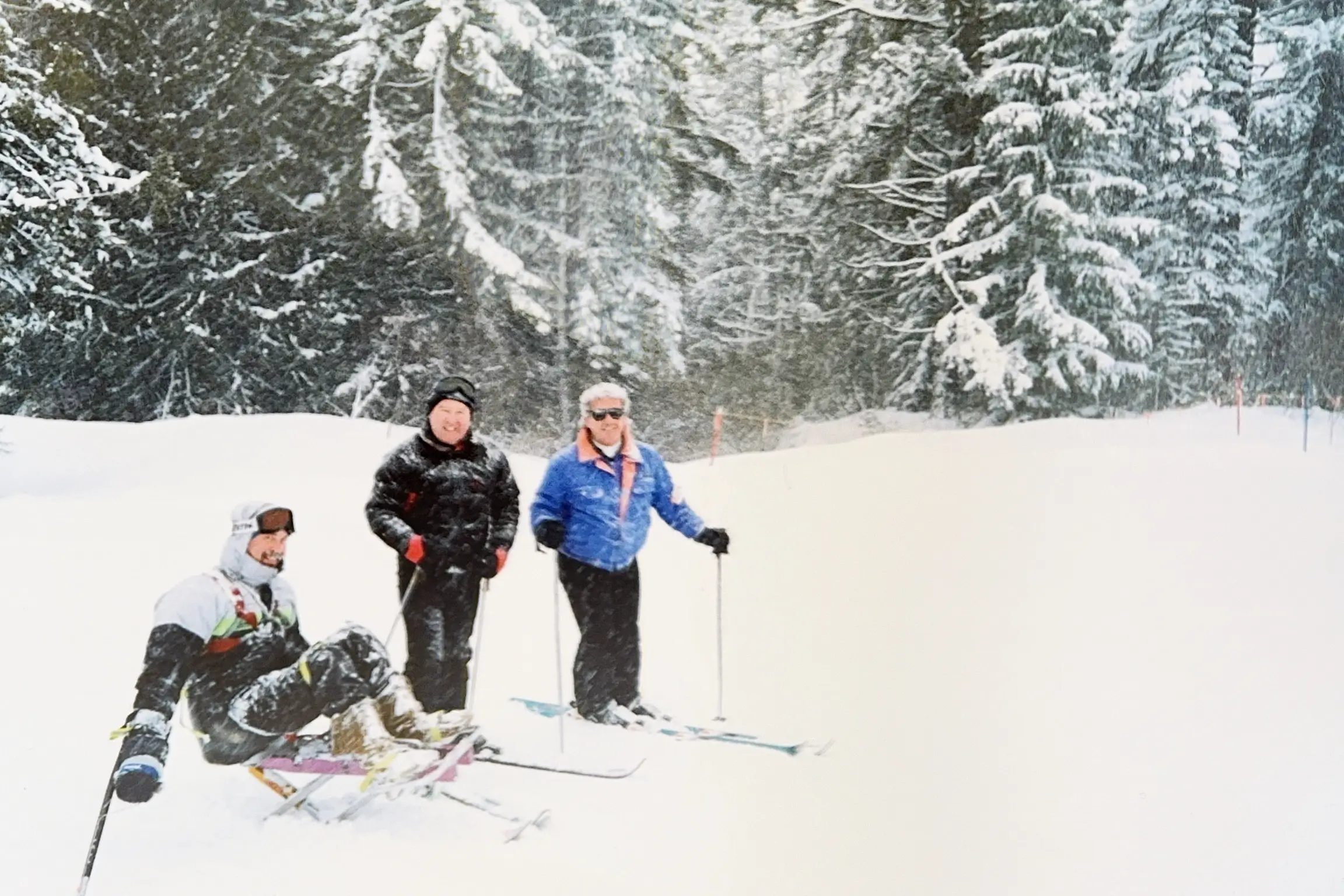
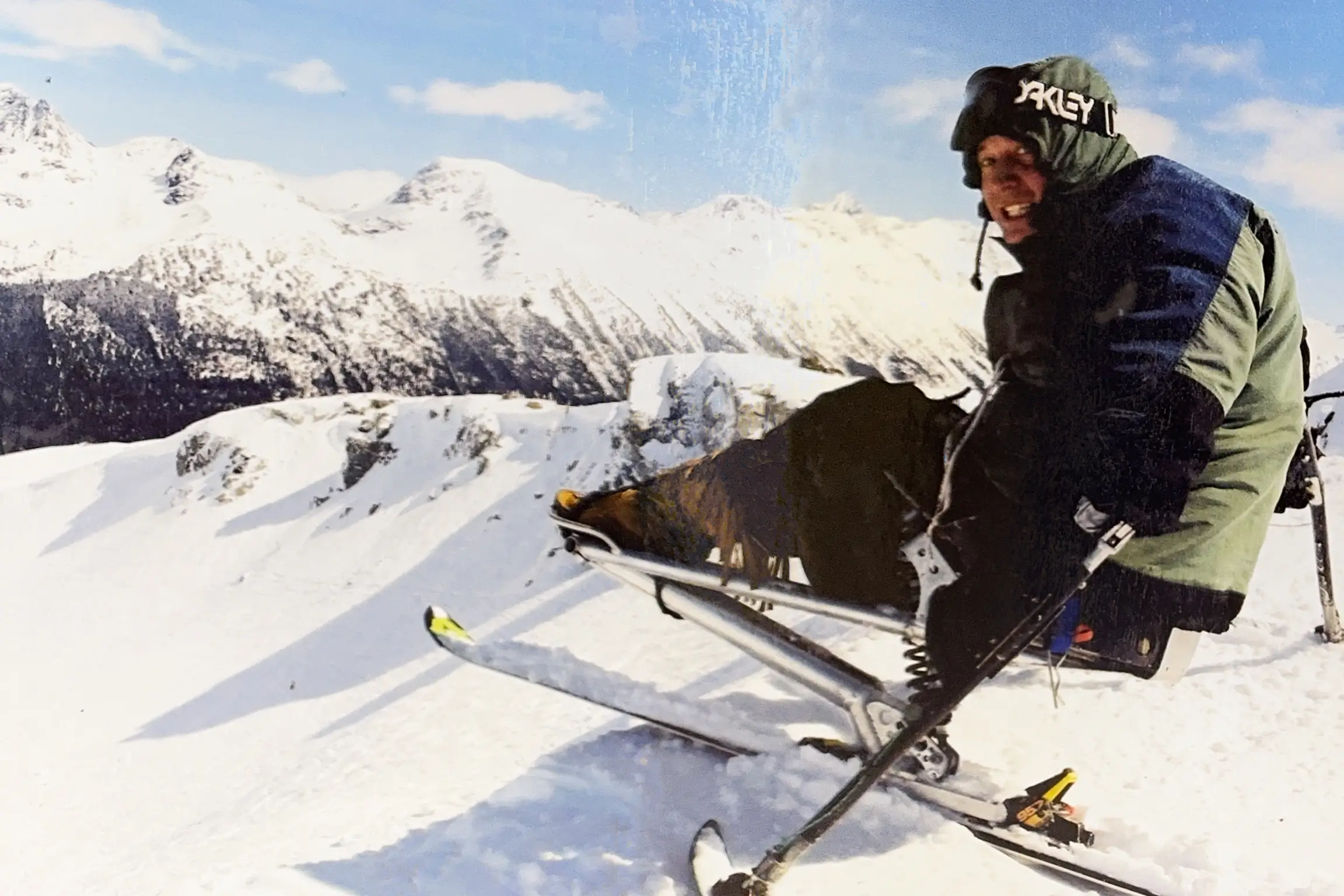
I was right there in those early years. I tethered for him when he was in his sit ski, and later became his attendant, though that didn’t last long in the way people might think. Once he was on his monoski, he didn’t need me the same way. He would do six runs to my one and tease me from the chairlift above. I was a strong skier, but not compared to him. Independence for him wasn’t about doing everything alone. It was about living life on his terms, and he never let that go.
MM: What are some of the biggest initiatives, accomplishments, or moments during Jonathan’s life that helped break down barriers for others?
JMG: Jon didn’t set out to break barriers. He just lived in a way that made people rethink what was possible.
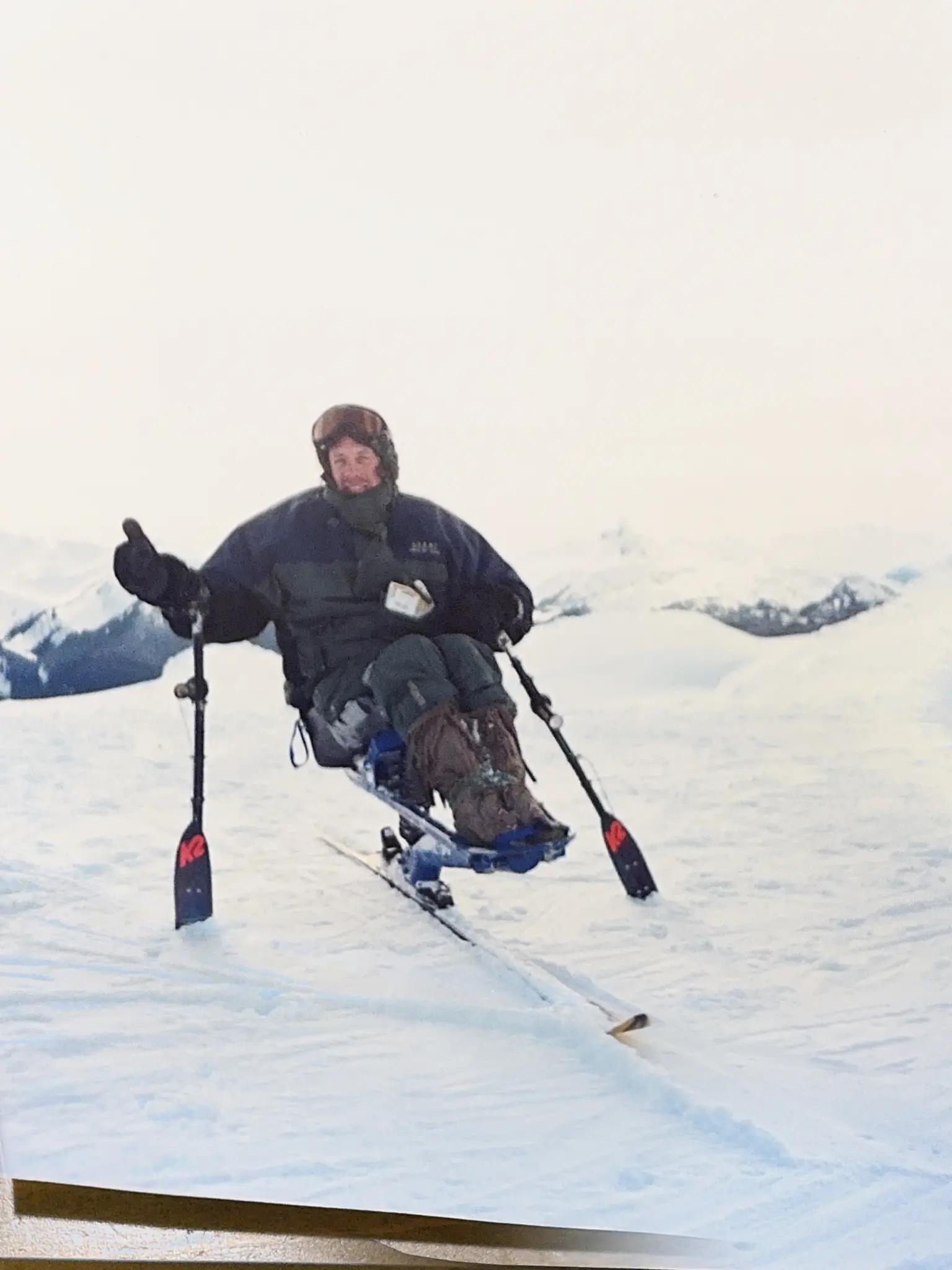
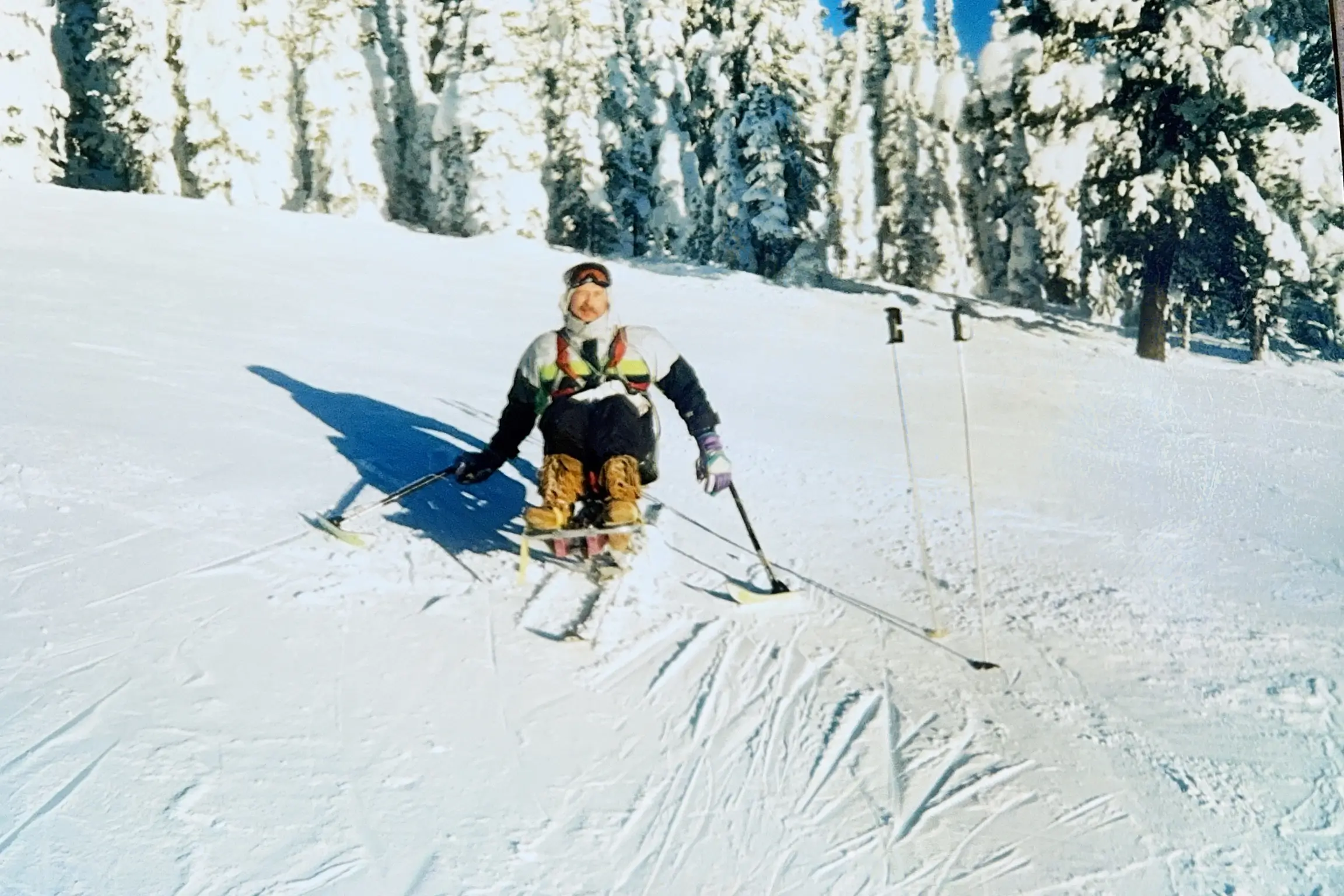
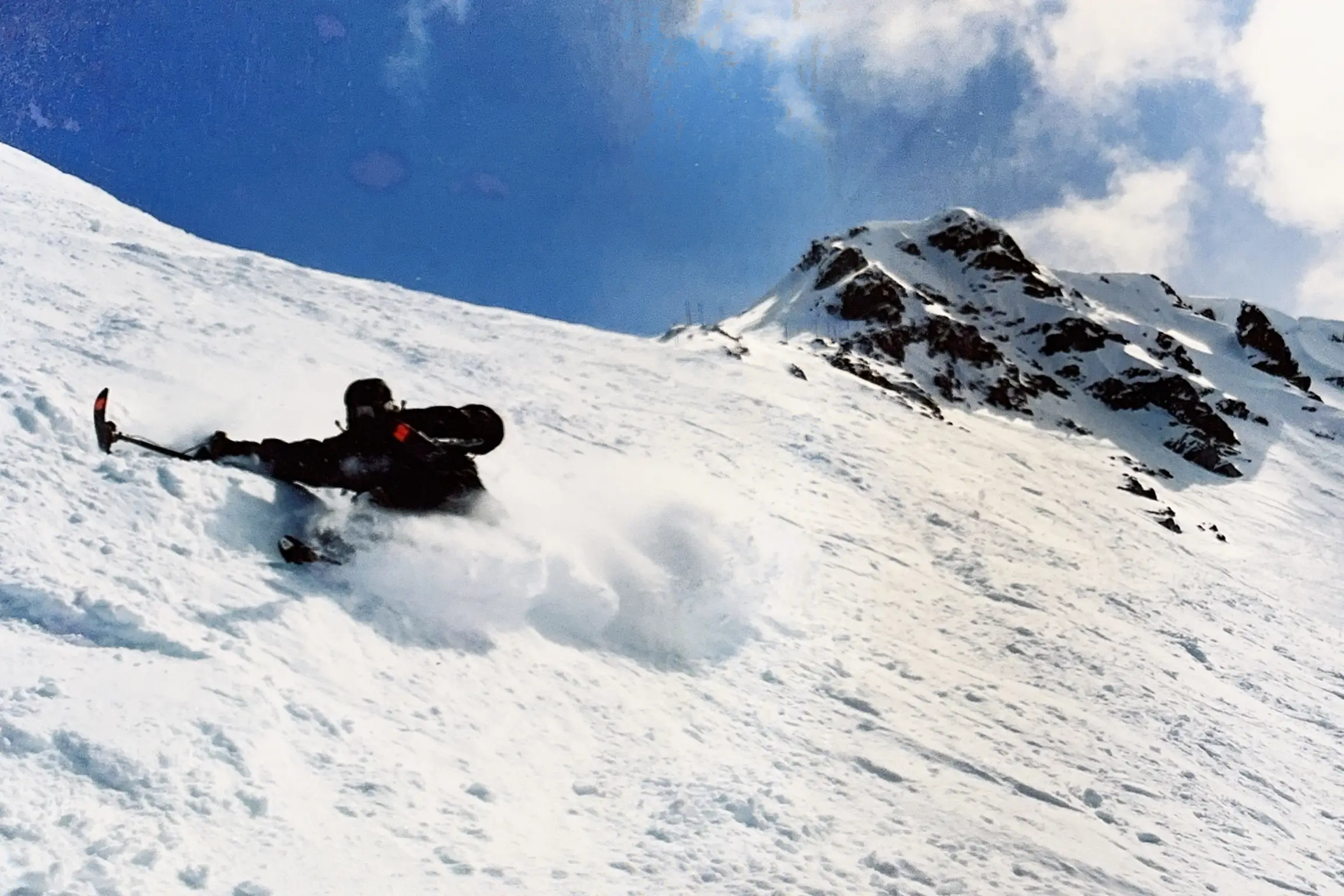
Seeing him on the front page of the Whistler Question in 1994, carving down a race course in a monoski, at a time when adaptive skiing was still evolving, that mattered. He was visible. He was out there doing it. He competed, trained at a high level, and worked toward Paralympic goals. That showed people this wasn’t recreational, it was real sport.
And then there was the equipment. He didn’t just use what existed, he improved it. I remember the sit ski he built and modified himself, adding a shock absorber and adjusting everything until it worked. Even small things, like how he reinforced his outriggers, became part of what is now standard in adaptive equipment.
He was part of the early wave of para-athletes helping shape how the sport evolved, and that impact reaches further than most people realize. Even in everyday life, he pushed boundaries. Working as a mechanic, travelling, living independently. He made people see what was possible by simply doing it.
MM: How did his connection with the Rick Hansen Foundation influence his advocacy, and what did it mean for Jonathan to teach Rick Hansen to ski?
JMG: Jon’s connection there was simply part of the world he was in at the time.
He reached a level in his skiing where he was capable of teaching others, and that included teaching Rick Hansen to ski. That speaks to his ability and understanding of adaptive skiing.For him, it wasn’t about recognition. It was about being on the mountain, sharing something he loved, and continuing to push what was possible.
His advocacy came through how he lived, not through affiliations.
MM: Adventure clearly remained central to Jonathan’s life… how important was risk-taking and exploration to who he was?
JMG: Adventure was who Jon was.
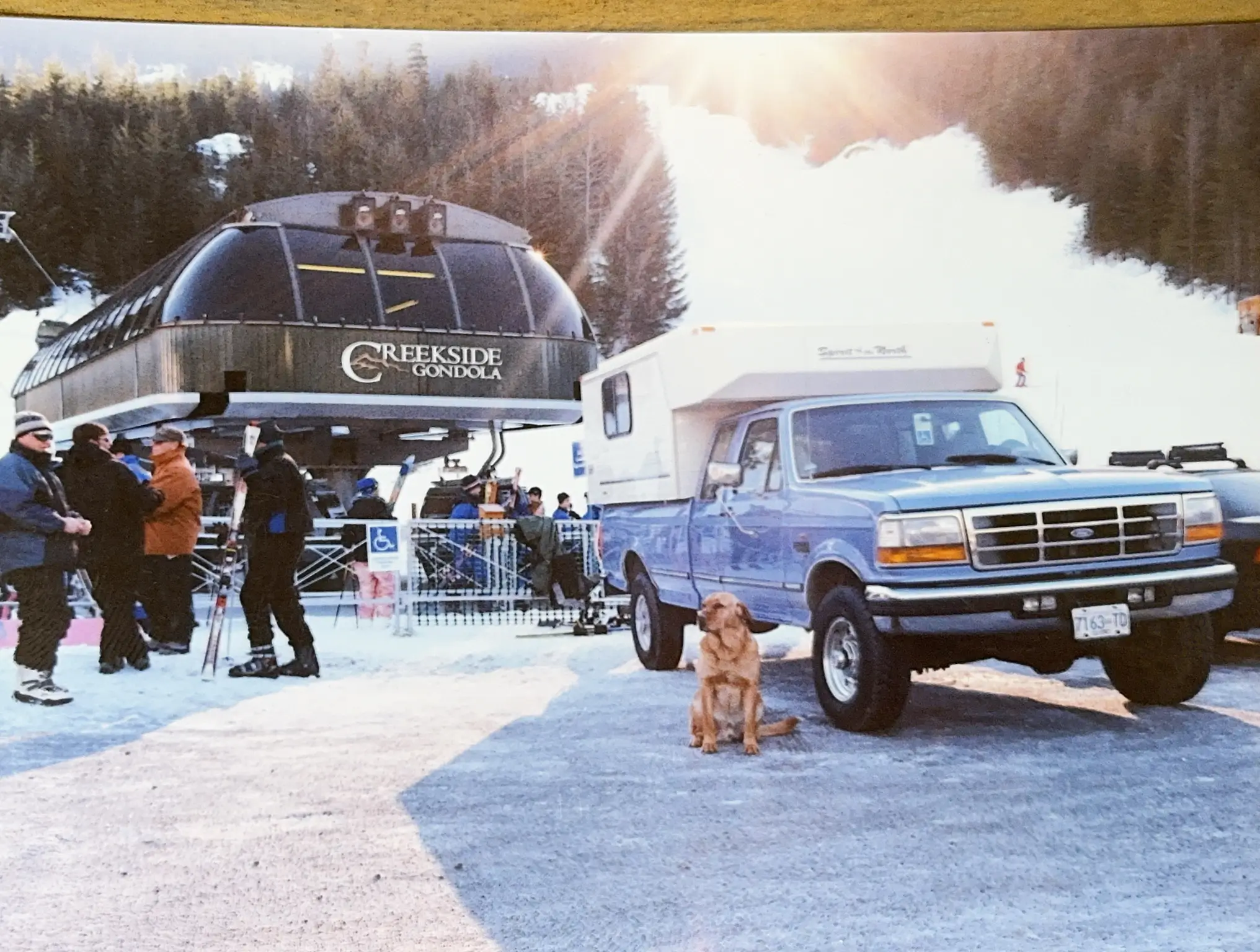
From Whistler to Costa Rica to Mexico, he needed to move, explore, and experience life fully.
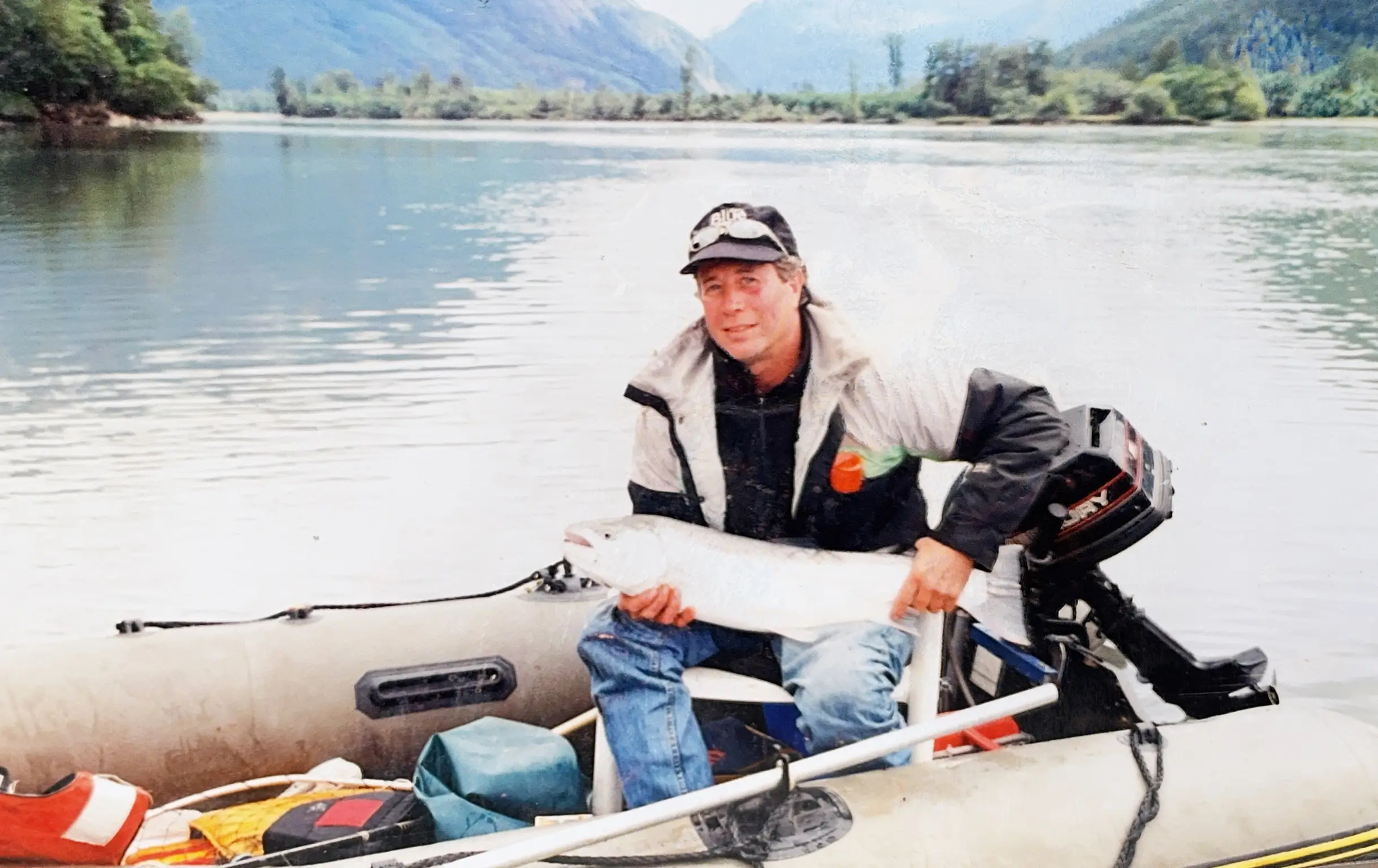
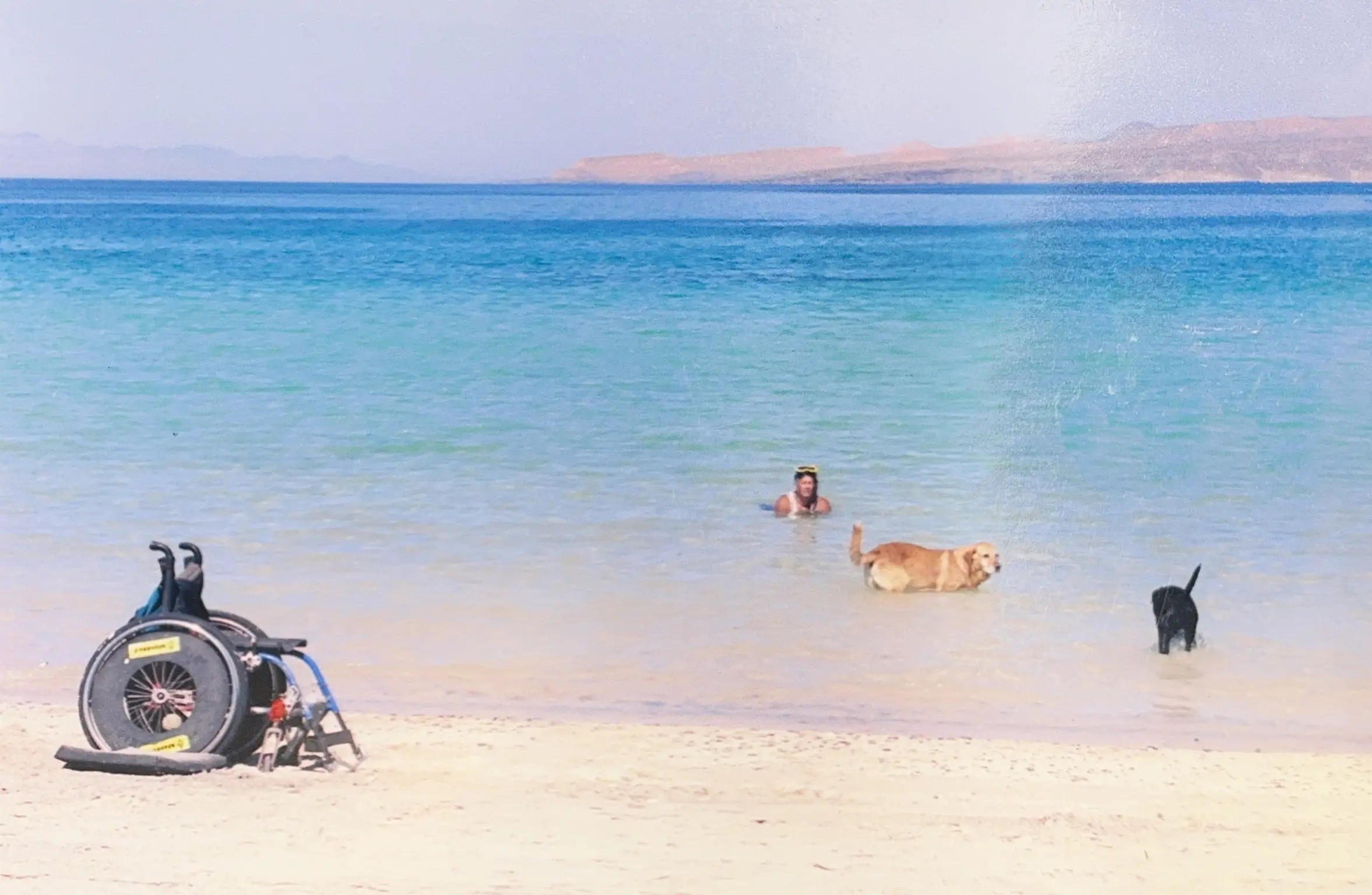
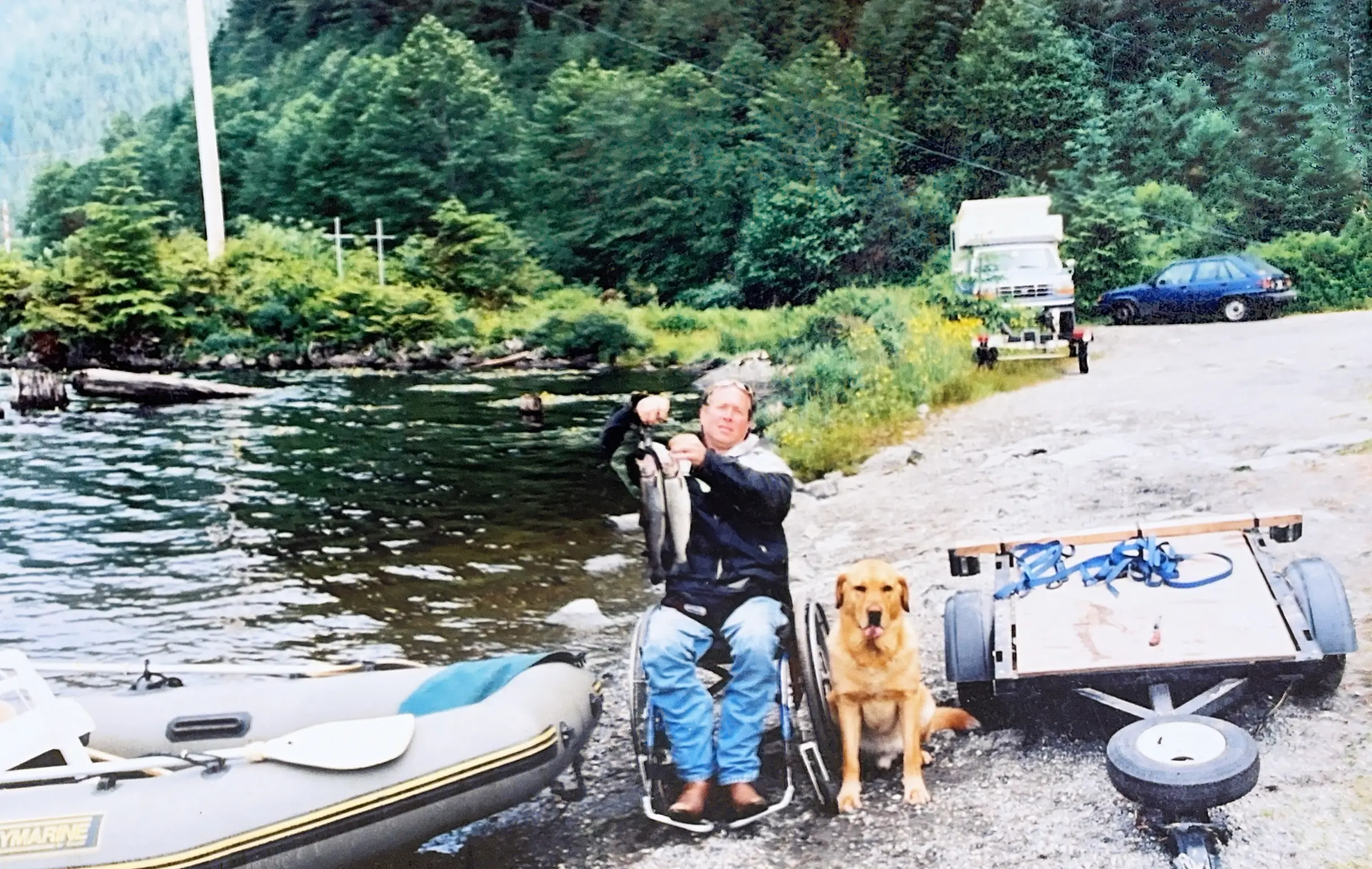
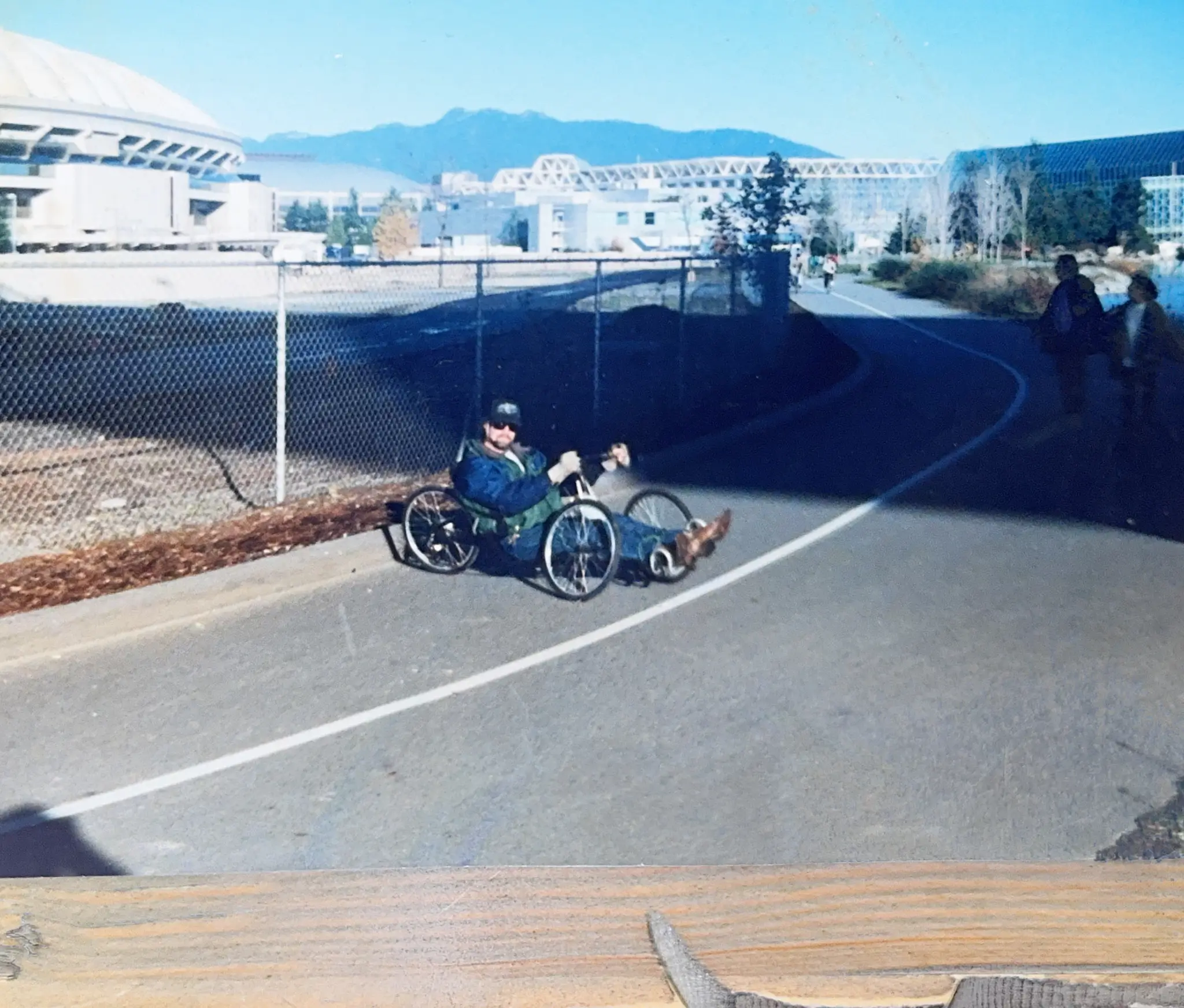
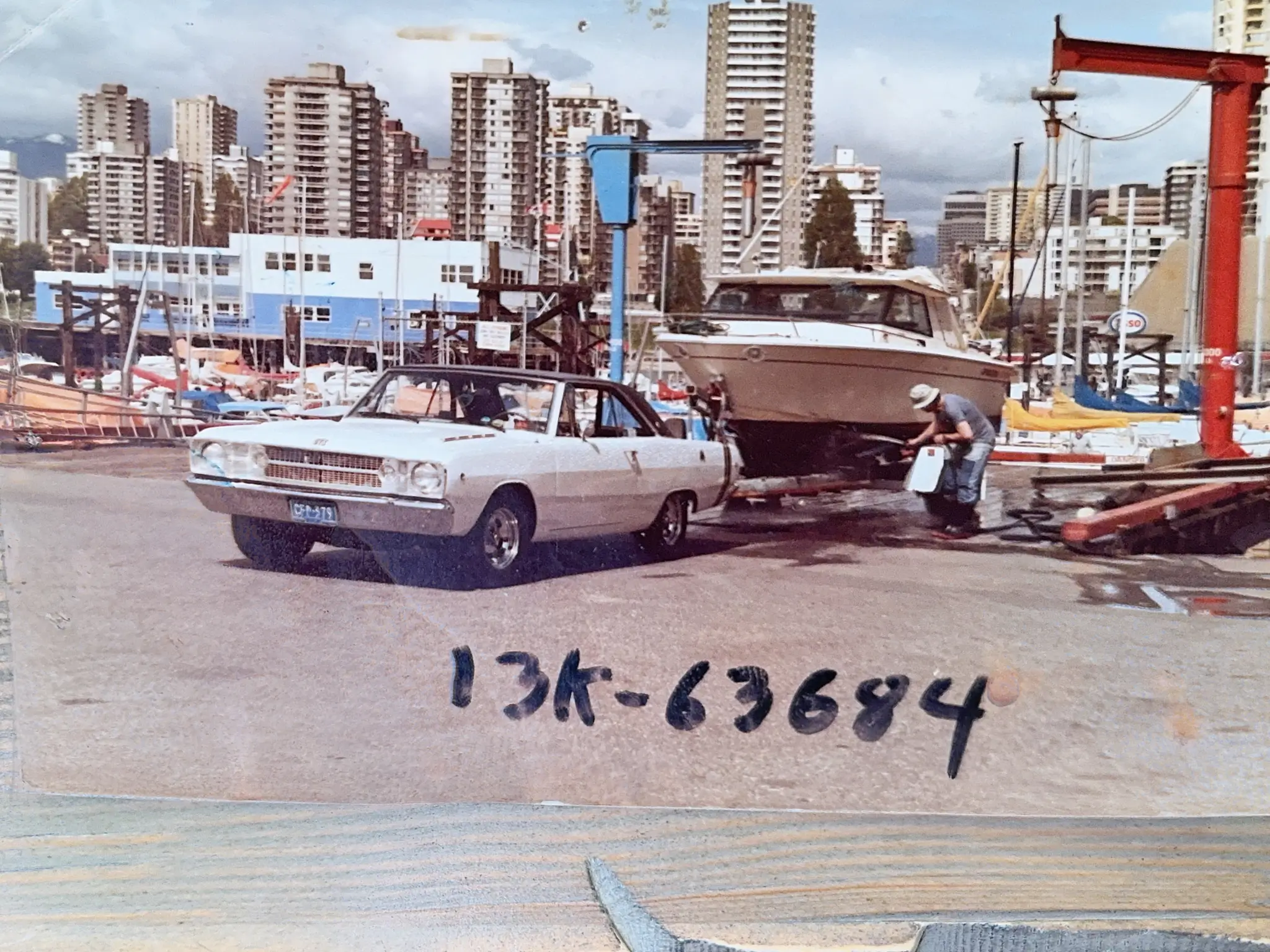
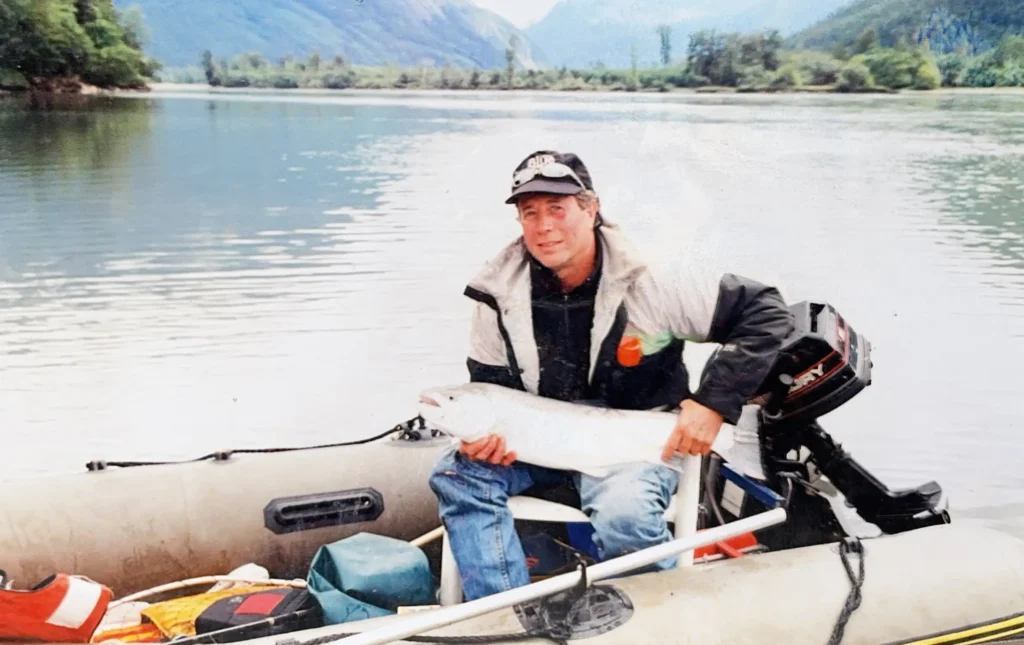
He trained in white water rafting, built a bike he rode around Alta Vista Lake with K2, and built his own boat so he could fish and hunt with his dog beside him. He lived for extended periods in Los Cerritos, retrofitting an RV so he could live on the beach for months at a time. He didn’t wait for access. He created it.
That sense of adventure gave him purpose, freedom, and a life that still felt like his.
MM: How did Jonathan navigate the world physically and socially as a wheelchair user, and what barriers did he work to change for others?
JMG: Jon moved through the world expecting to be part of it.
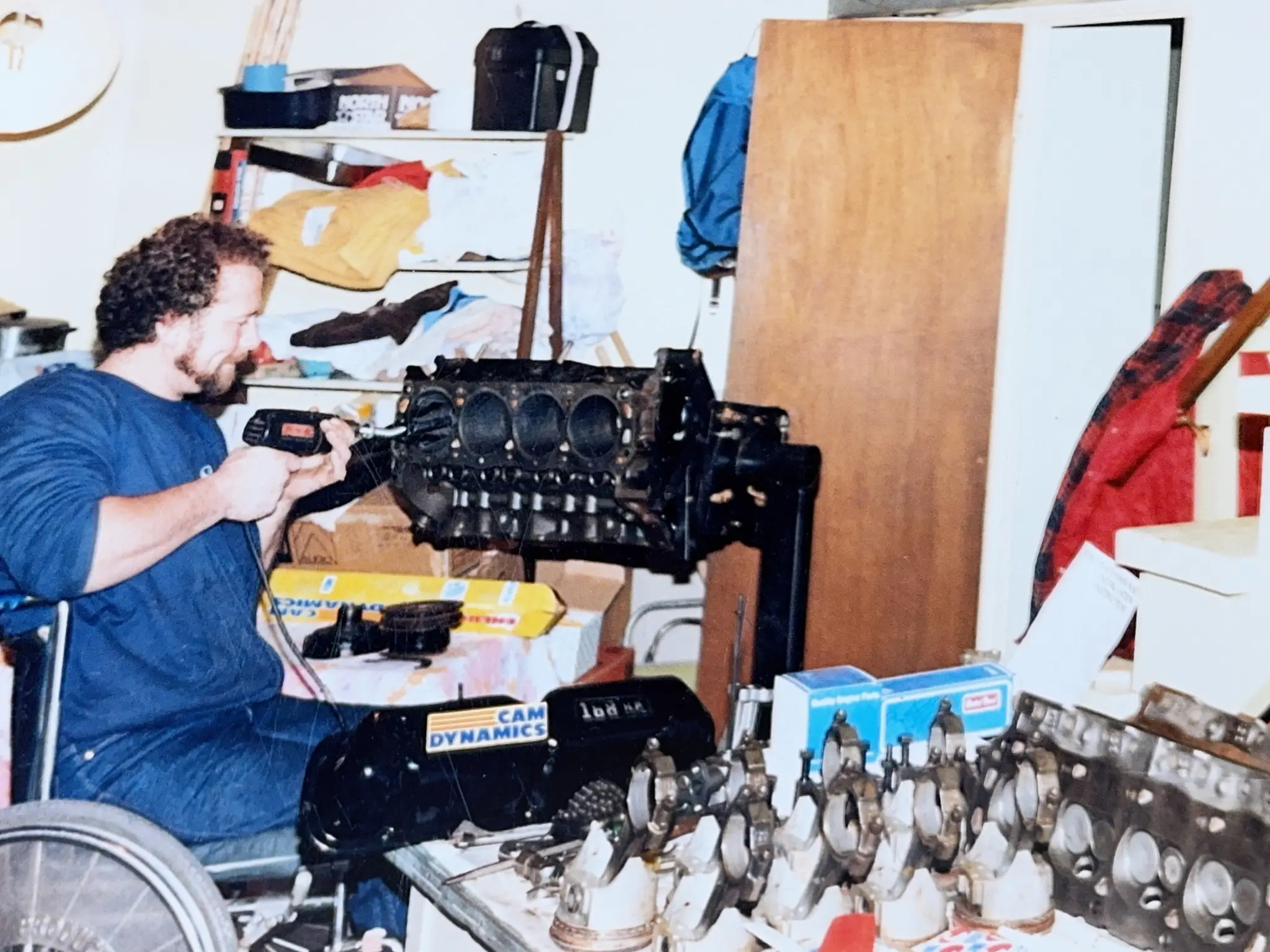
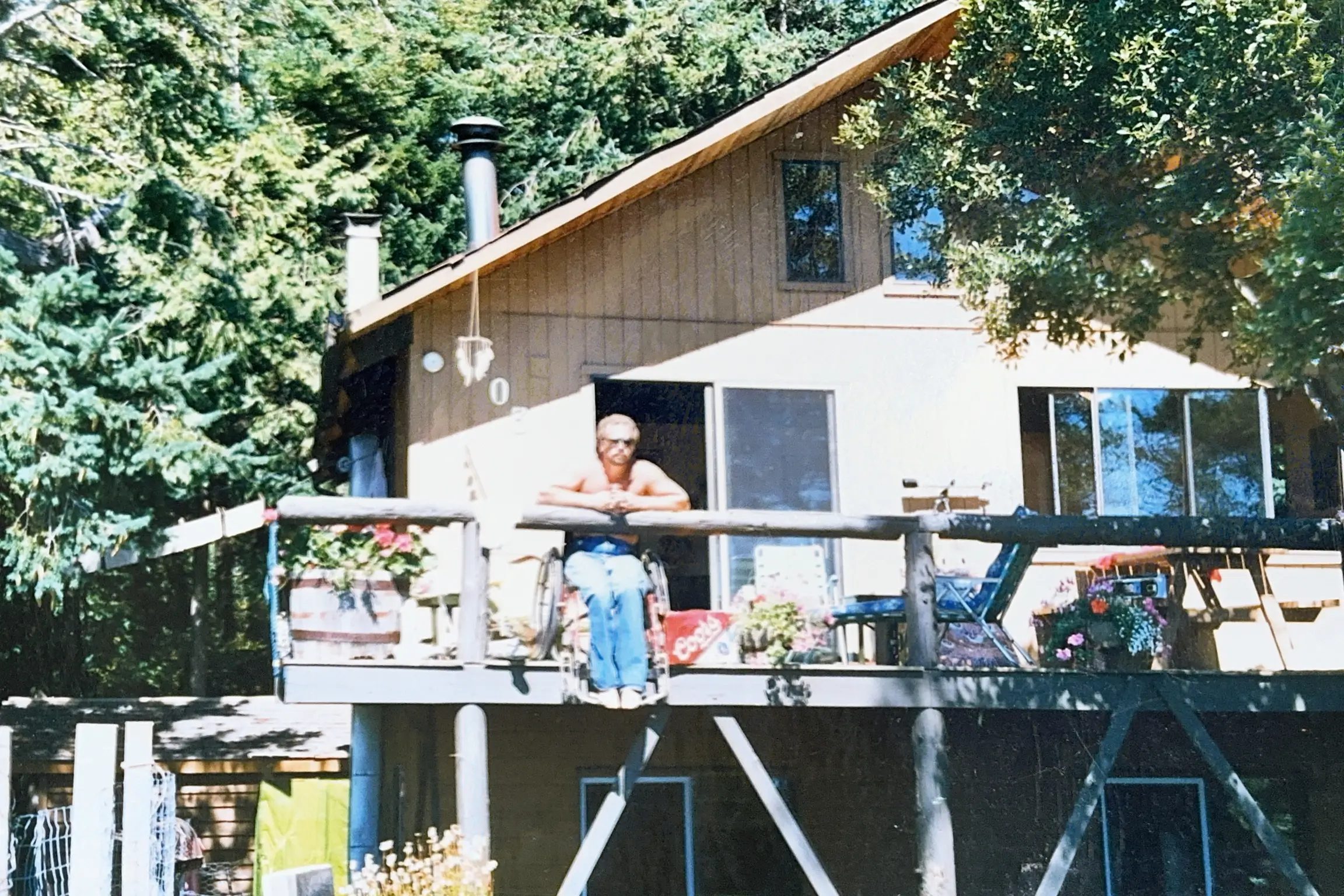
Physically, he built, modified, and improved things, not just for himself, but in ways that helped others coming after him. He had a mechanical mind that could see where things could be better, and he acted on it. Socially, he had a presence. Confidence. A way of engaging people that shifted how they saw him almost immediately, and I was right there beside him. I was his pitbull. I accepted nothing less than accessibility for him. That was our normal. He didn’t just navigate the world as it was. He pushed it to be better.
MM: In what ways did travel, adventure, or movement shape his perspective on accessibility and inclusion?
JMG: Jon lived accessibility in real environments.
From remote beaches in Mexico to rivers in Costa Rica to the mountains in Whistler, he experienced firsthand what worked and what didn’t. He didn’t believe accessibility should be limited to certain places or easier paths. He believed it should exist everywhere. His life showed that inclusion isn’t theoretical. It’s something that has to function in the real world and he proved that it could.
MM: What lessons about resilience, courage, or inclusion did Jonathan live out through his actions rather than just his words?
JMG: Jon showed that resilience isn’t something you announce. It’s something you live, quietly and consistently. He didn’t pretend things were easy, and he didn’t ignore what was hard. But he also didn’t stay there. If something didn’t work, he adjusted it. If something broke, he fixed it. If something didn’t exist, he built it.
His courage showed up in how he kept moving forward. Returning to the mountain, continuing his work, shifting into new challenges like rafting when his body required it.Inclusion, for him, wasn’t a concept. It was an expectation. He expected to be part of life, and when things didn’t make sense, he pushed for better. He showed that resilience can be steady. That courage can be practical. And that inclusion should feel natural.
MM: As his sister, what moments best capture Jonathan’s spirit and how he chose to live his life?
JMG: There are so many, but the ones that stay with me are when he was fully himself. On the mountain, flying past me, teasing me from the chairlift, completely at home in that space. Around Alta Vista Lake, riding the bike he built, with K2 always close by. That was his rhythm. And in his workspace, building, modifying, creating solutions so he could live the life he wanted.
He didn’t step back from life. He stayed in it, fully.
MM: What do you wish more people understood about Jonathan’s journey and the legacy he leaves behind?
JMG: I wish people understood that Jon’s life wasn’t defined by what happened to him.
That was one moment. A significant one, but not who he was. He built a full life after that. One that included work, sport, travel, creativity, independence, and purpose. His legacy is not about limitations. It’s about capability. About determination. About continuing forward in a way that stayed true to him and about living fully.
MM: When readers finish this article, what is the one feeling or message you hope they carry with them about Jonathan?
JMG: I hope they come away with a sense of what’s possible. Not in a big, overwhelming way, but in a real and grounded way. That life can change and still be full. That you can adapt and continue forward in a way that stays true to who you are and that one person, just by living fully, can change how others see what’s possible.
When I finished my conversation with Jennifer, I found myself thinking less about Jonathan’s accomplishments and more about the person she described throughout our interview.
Yes, Jonathan was a decorated adaptive athlete. He was an innovator, a mechanic, a teacher, an explorer, and someone who quietly helped shape adaptive skiing for those who came after him. But what stayed with me most wasn’t the list of achievements. It was the consistency of who he was. Jennifer never described her brother as someone who let his injury define him. Instead, she described a man who approached life with one simple philosophy: “Figure it out.”
That mindset carried him through every chapter of his life. It led him back to the mountains, back into the workshop, onto rivers, beaches, and fishing boats, and into communities where he challenged assumptions simply by showing up and living fully.
One of Jennifer’s final reflections struck me deeply. She said she hopes readers leave this story with a sense of what is possible. Not in a way that overlooks the realities of living with a disability, but in a way that reminds us life can still be rich, meaningful, adventurous, and filled with purpose. I believe Jonathan leaves us with something even greater.
He reminds us that accessibility is about more than ramps, equipment, or policies. It’s about creating a world where people have the opportunity to continue being themselves, pursuing their passions, and contributing their talents, regardless of how they move through life.
Jonathan James Maycock wasn’t defined by the day his life changed.
He was defined by every day that followed.
His legacy lives on through the people he inspired, the barriers he quietly dismantled, the innovations he helped create, and the example he set for anyone who has ever wondered whether life after adversity could still be extraordinary.
It can…..Jonathan proved that every single day.