By Carrie Ann Trubenstein
Listen to this Article
What happens when inclusion is about more than access? What happens when people with and without disabilities are given meaningful opportunities to create, contribute, and participate alongside one another in the cultural life of their communities?
That question is at the heart of Shagara, a New York nonprofit founded by Carrie Ann Trubenstein to create belonging through arts, culture, and community.
Shagara connects people with and without disabilities, activates artists, and brings communities together through creative partnerships, cultural experiences, and public projects. Its work is grounded in a simple belief: the barrier is not a lack of interest or desire, but a lack of opportunities to participate alongside others in shared civic and cultural life.
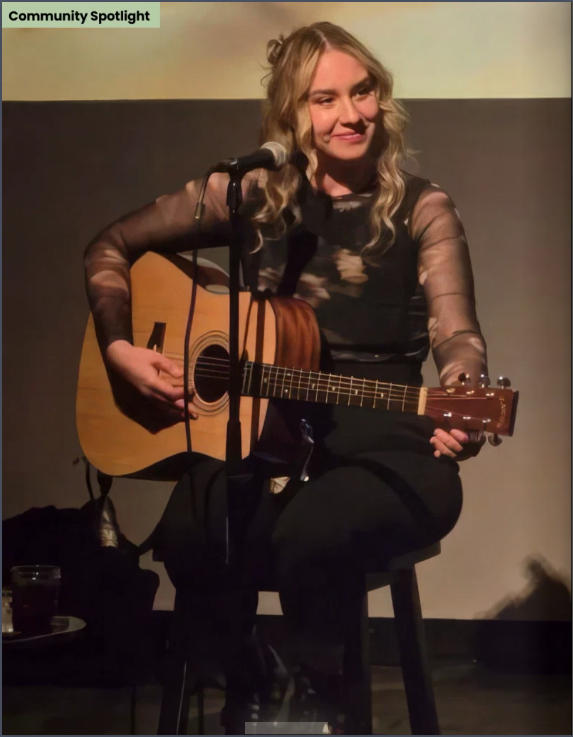
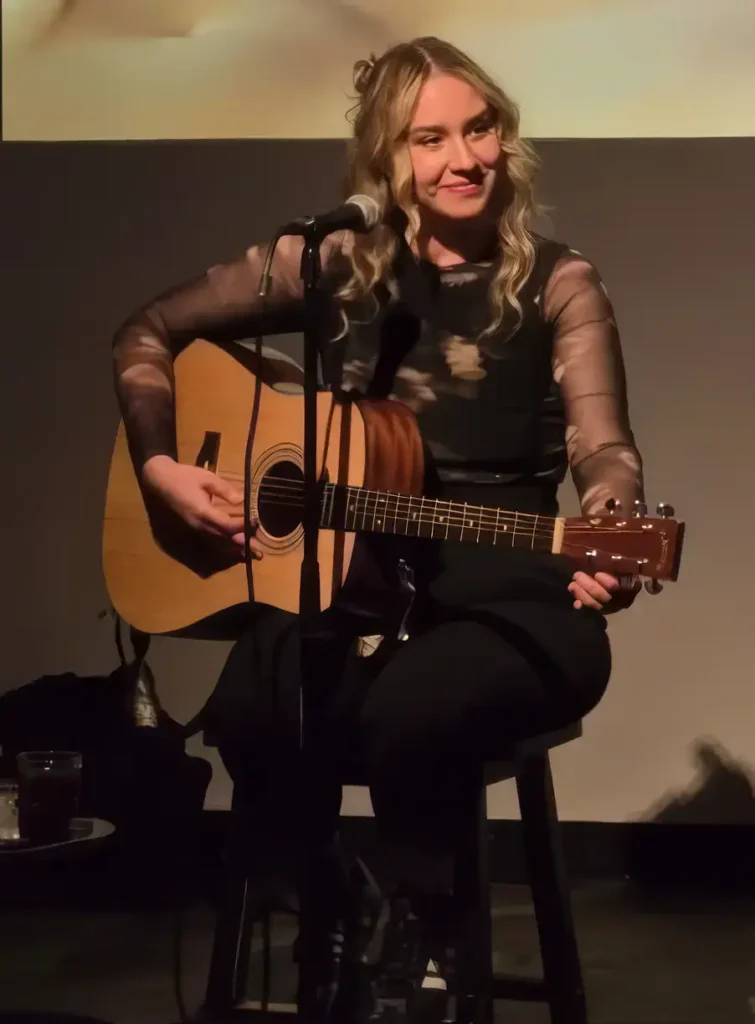
Carrie Ann brings a perspective shaped by more than 15 years in the intellectual and developmental disability (I/DD) sector, alongside a lifelong commitment to the arts. A development strategist and cultural producer, she is also a practicing singer-songwriter, recently accepted into the Howard Gilman Performing Artist Residency Cohort (PARC). Her professional life has focused on building partnerships, developing resources, and turning ideas into sustainable programs; her artistic life has given her a firsthand understanding of what it means to create, collaborate, and be part of a creative community.
Shagara emerged at the intersection of those experiences.
Rather than simply creating arts programming for people with disabilities, Shagara creates cultural experiences with people with disabilities. Participation means more than being welcomed into a room. It means having an opportunity to contribute to what happens there.
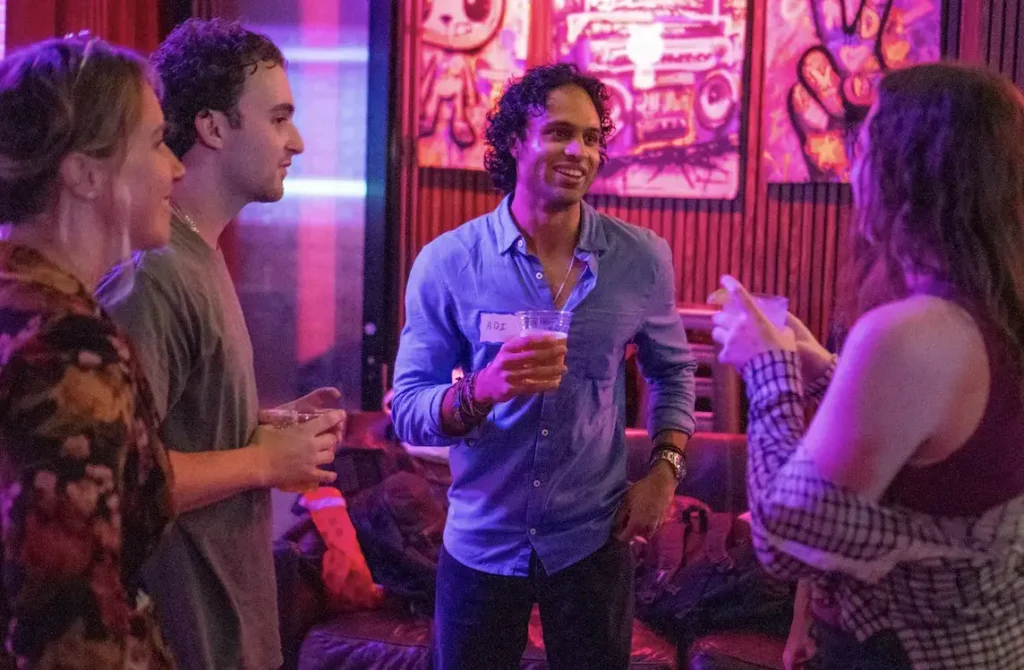
Shared creative experiences create belonging.
That philosophy became tangible almost immediately.
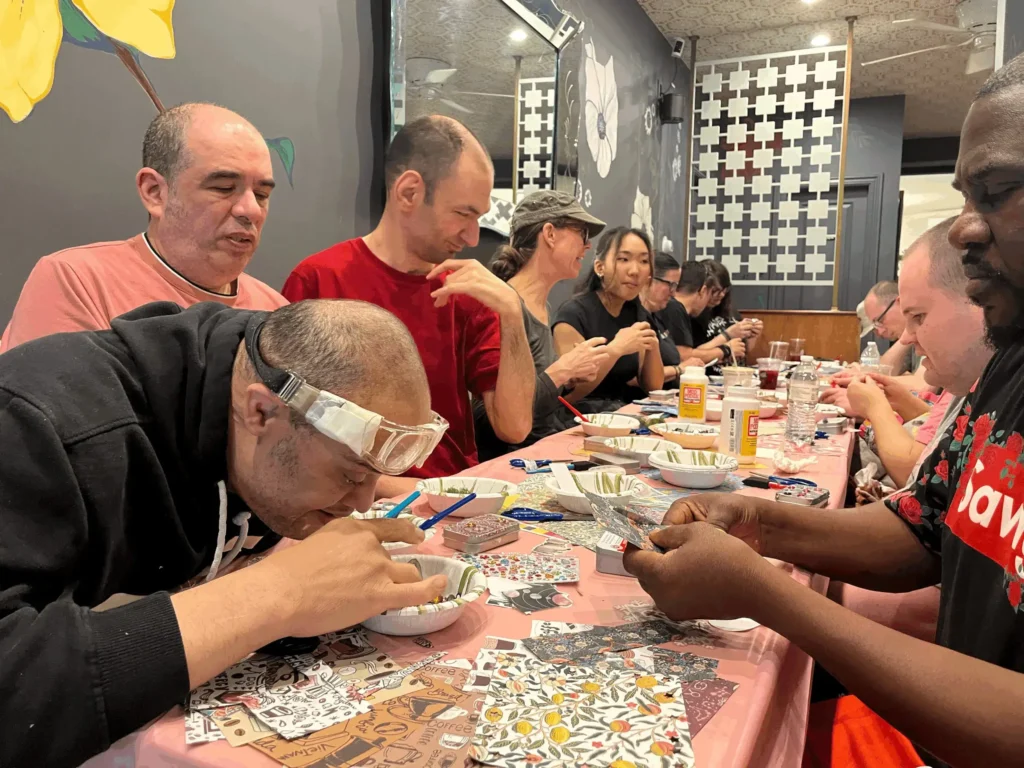
Shagara’s first public event, Community Art Night, brought people together at a Staten Island café for an artist-led upcycling workshop and live music. Sprout Social brought musicians, visual artists, writers, designers, and other creators together to collaborate and build connections. Sibling Social created a space specifically for siblings and extended family members of people with I/DD, people whose lives are deeply shaped by disability but whose own need for community is often overlooked.
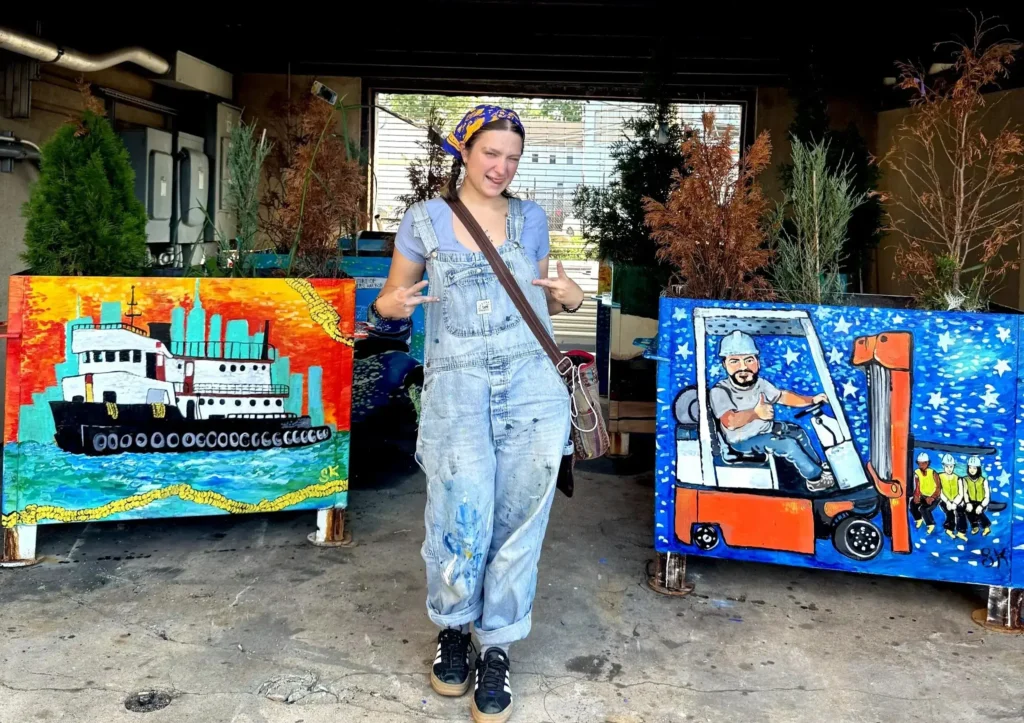
With Working Waters, Shagara expanded that approach into the community. Artists, maritime workers, families, businesses, community organizations, and children came together on Staten Island’s working waterfront through public art, music, maritime education, and celebration. The project also resulted in a permanent public artwork honoring the history and identity of Mariners Harbor.
Across these projects, the format changes. The underlying idea does not:
Bring people together. Give them something meaningful to create, experience, or contribute. Then see what becomes possible.
That work is now expanding into new communities and new forms.
This fall, Seen in Staten Island will bring professional photographers and photographers with I/DD together to document the people, neighborhoods, landscapes, culture, history, and everyday life of Staten Island. Rather than positioning people with disabilities as subjects of an inclusion story, the project gives them the opportunity to be photographers and storytellers themselves. In partnership with the National Down Syndrome Society, the project will culminate in Assume I Can, a Manhattan exhibition celebrating photographers with developmental disabilities.
In the Bronx, Shagara is developing a large-scale mural project with a NYC Department of Education District 75 school. Students with and without disabilities will work alongside a professional muralist to create a permanent piece of public art, followed by a community celebration bringing together students, families, artists, musicians, and the surrounding community.
And the impact extends beyond the people directly participating.
Artists need opportunities to create, be seen, build relationships, and earn income from their work. Venues and local businesses benefit when cultural partnerships bring new audiences through their doors. Communities benefit when public spaces become places where more art, music, creativity, and connection are happening.
The result is a ripple effect: artists build careers, venues gain audiences, communities become more culturally active, and people with and without disabilities participate in the same civic and creative life. Over time, those connections can contribute to communities that are more inclusive, economically vibrant, socially connected, and psychologically healthy.
Extraordinary opportunities can change what people think is possible.
Too often, people with disabilities are shown a narrow version of what community life can look like: a pizza party, a bowling night, a program designed around what someone assumes they will enjoy or what they believe is practical for them. Those experiences can have value, but they should never become the ceiling of what someone is offered.
When people with disabilities are given access to ambitious, creative opportunities—to exhibit their photography, perform on stage, make public art, collaborate with professional artists, sell their work, or help shape a cultural experience—they can begin to see themselves differently.
And so can everyone around them.
Shagara is still young, but its ambition extends beyond any single event or project: to connect artists and institutions, activate creative communities, build meaningful partnerships, and create more opportunities for people with and without disabilities to participate together in civic and cultural life.