Jackson's African Safaris slide 1
Jackson's African Safaris slide 2
Jackson's African Safaris slide 3
Jackson's African Safaris slide 4
Jackson's African Safaris slide 5
Jackson's African Safaris slide 6
Jackson's African Safaris slide 7
Jackson's African Safaris slide 8
Jackson's African Safaris slide 9

How to get started with adaptive cycling

By Alicia Williams

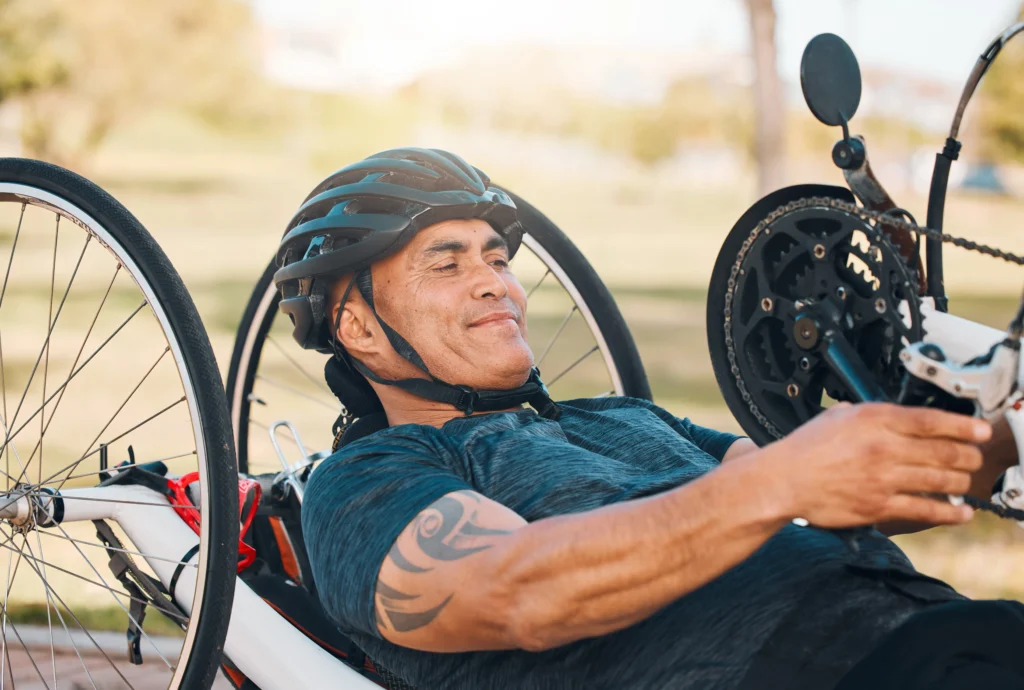
Close-up of a smiling man in a helmet operating the hand crank of a recumbent handcycle outdoors.

Cycling does not have to involve balancing on two wheels, gripping standard handlebars or pushing pedals with both feet. Adaptive cycling offers different equipment and adjustments that make riding possible for people with a wide range of physical, sensory, cognitive and neurological disabilities.

Getting started begins with understanding what works for your body, your budget and the kind of riding you want to do.

Find the right type of cycle

Adaptive cycles come in several configurations.

Handcycles are propelled using the arms rather than the legs. Some are standalone three-wheeled cycles, while others attach to certain wheelchairs.

Recumbent cycles allow riders to pedal from a seated, supported position. Many have three wheels, making balance less of a concern.

Upright tricycles provide additional stability for people who prefer a more conventional riding position.

Tandem bicycles accommodate two riders. A blind or partially sighted cyclist, for example, can ride with a sighted pilot who handles steering.

Side-by-side cycles allow two people to ride beside each other, while wheelchair transporter cycles can carry a wheelchair user without requiring a transfer.

Some cycles also offer electric assistance, which can make hills, longer distances and fatigue easier to manage. Rules governing electric-assisted cycles vary by location, so check local requirements before riding. Move United and Cycling UK provide helpful explanations of different cycle types.
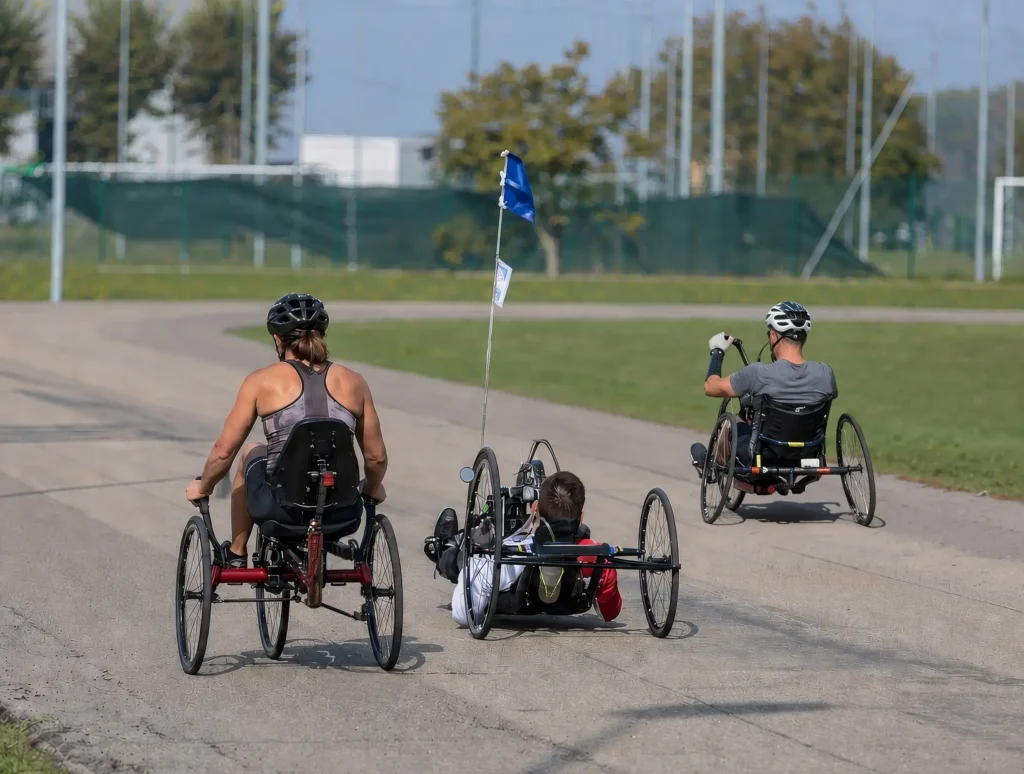
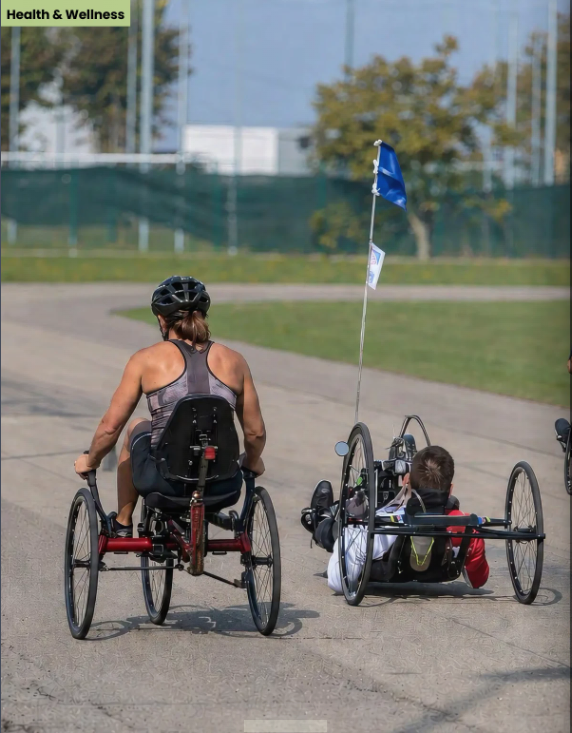
Three adaptive cyclists riding handcycles along a paved track outdoor venue.

Try before you buy

Adaptive equipment can be expensive, and the most suitable option is not always obvious from a photograph or product description.

Look for adaptive sports organizations, rehabilitation centres, inclusive cycling clubs and community recreation programs offering introductory sessions. Some provide equipment, instruction and opportunities to test different models.

In the United States, Move United’s location directory helps identify nearby adaptive sports programs. Adaptive Adventures also offers cycling programs with equipment provided.

In Canada, contact provincial cycling associations, disability sports organizations or local rehabilitation centres. In the United Kingdom, British Cycling’s Limitless programme supports inclusive cycling opportunities.

Before attending, ask whether the organization has equipment suited to your needs, whether transfer assistance is available and whether a support person can participate.
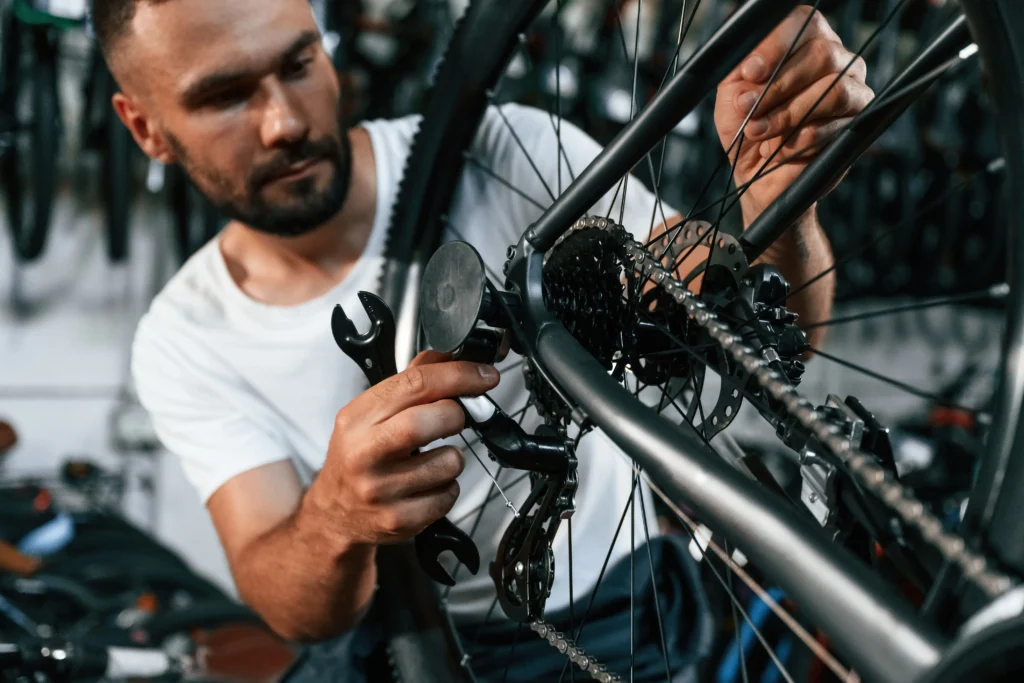
A mechanic using a wrench to adjust the rear derailleur and wheel assembly of a bicycle.

Get the fit right

A comfortable, properly adjusted cycle makes a considerable difference. Consider seat support, backrest position, pedal reach, handlebar or hand-crank placement, braking controls and how you will get on and off. Adaptations may include foot supports, positioning straps, modified grips, one-handed controls or extra trunk support.

For handcyclists, crank position and resistance should feel manageable, particularly if your shoulders already handle wheelchair propulsion or transfers.

A physiotherapist, occupational therapist, adaptive cycling instructor or knowledgeable cycle fitter can help identify suitable adjustments. If you use a prosthesis or orthosis, consult the professional who fitted it before making changes.

Plan an accessible first ride

Choose a short, relatively flat route with a predictable surface. Protected cycle paths, parks and quiet recreation trails are often easier starting points than busy roads.

Check the practical details before leaving. Can your cycle fit through gates and barriers? Are there accessible parking spaces, washrooms and resting areas? Will tight turns, steep inclines or rough surfaces create problems?

Bring water, a charged phone and any medication or supplies you may need. Wear a properly fitted helmet. Because recumbent cycles sit lower to the ground, flags, lights and bright clothing can improve visibility.

Start with a manageable distance and increase gradually. Pain, dizziness or unusual fatigue are reasons to stop and reassess.

If you have reduced sensation, inspect your skin before and after riding, especially where straps, seating or supports make contact. The Model Systems Knowledge Translation Center also advises riders with spinal cord injuries to consider temperature regulation, hydration and other individual health needs.

Make the cost more manageable

Ask about equipment loans, rentals, refurbished cycles, community funding and disability sport grants. The Challenged Athletes Foundation offers funding opportunities for eligible applicants, although requirements and application periods vary.

The right starting point does not have to be an expensive purchase. It can be one supported session, one suitable cycle and one route that makes you want to ride again.

Scroll to Top