Listen to this Article
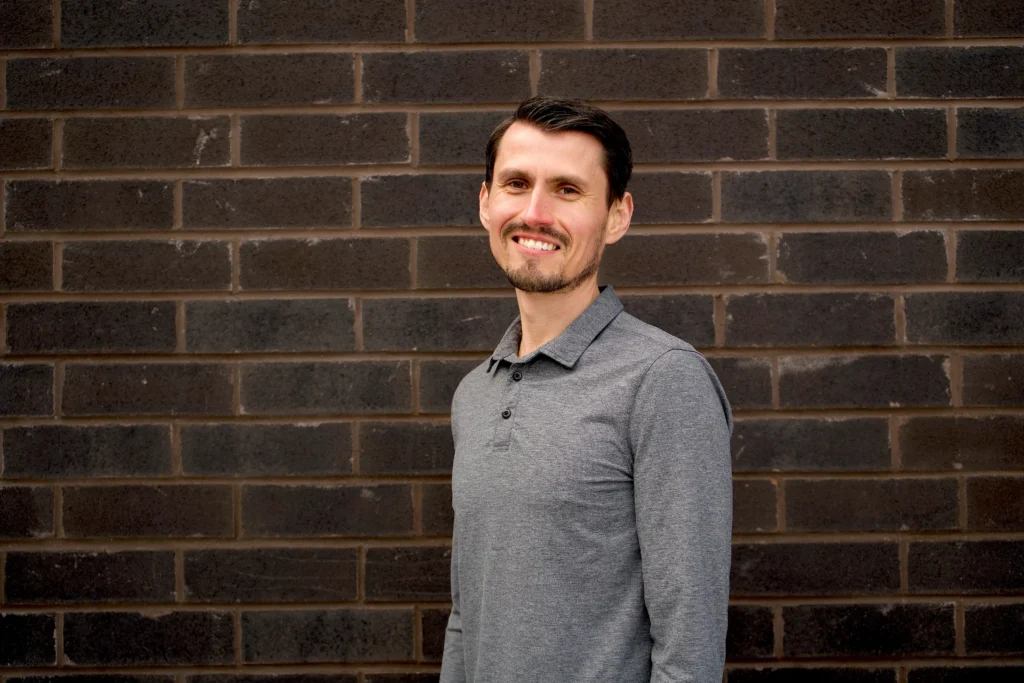
Q & A with Eric Goll, founder of Empowering Ability
1. What led you to create Empowering Ability, and how has your own experience as a family member shaped the way you support families of people with developmental disabilities?
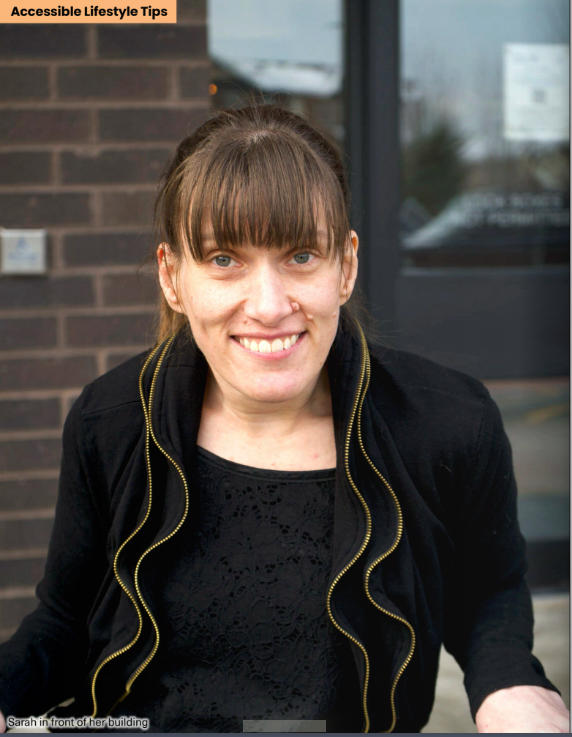
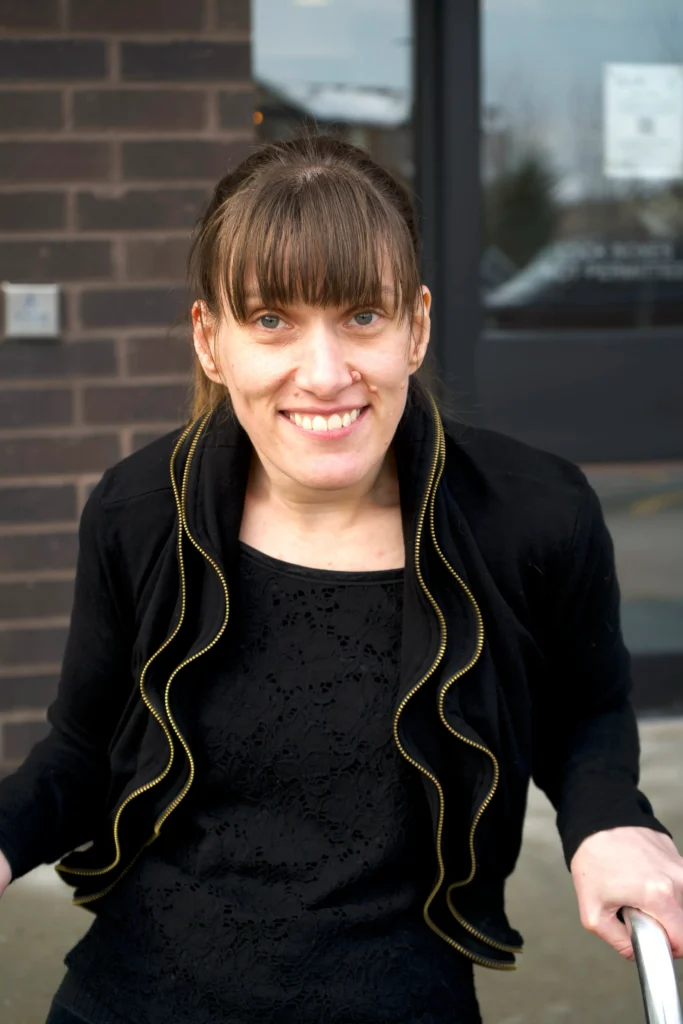
It all started with my sister, Sarah, back in 2015. Our home was a heavy place then. Sarah felt stuck, and my mom was worn down from caregiving with no end in sight. And everywhere we turned, we heard the same things about my sister. She would never live on her own. She would never have real friends. She would never contribute.
The hardest fear was the one I think every parent in my world carries quietly. “What happens when mom / dad can’t do it anymore?”
We honestly believed a group home was our only option. But something in us refused to accept that. So we started looking for a better way. Sarah first moved in with me, and from there, step by step, she moved into a place of her very own. I still remember what it felt like to watch her live her own life, in her own home, on her own terms. My mom got to put down the weight of full-time caregiving and simply be mom again. And Sarah was not just safe. She was happy.
That is when it hit me. Our family was not unique. There were thousands of families out there carrying the very same fear, hearing the very same nevers, and believing the very same lie that no better path existed.
I could not unsee that. So I trained as a certified coach through Royal Roads University. I studied under some of the most respected leaders in the developmental disability field. And over the last decade, I have taken everything from my own family’s journey and from working with more than 1,000 families to build a clear, step-by-step life planning process that any family can follow.
So when I sit with a parent today, I am not speaking from a textbook. I am speaking as a family member who has walked this exact road, and who has now walked it alongside more than a thousand others. I know the fear. And I know the way through it.
2. You use the phrase “Awesome Ordinary Life.” What does that mean, and why is ordinary life such an important idea in disability, family and community inclusion?
An Awesome Ordinary Life is the kind of life most of us want for ourselves. A home you can call your own. Friends who know you and care about you. A way to contribute and feel needed. Choices about your own day. None of that is fancy. It is ordinary. And that is exactly the point.
For too long, people with developmental disabilities have been offered a separate kind of “special” life. A life in a group home or in a program, away from the community, where their days are decided for them. Ordinary matters because ordinary is dignity. When we say a person deserves an ordinary life, we are saying they belong right here with the rest of us, not set apart. The “awesome” part is that it is their life, built around what they love.
3. Your free Life Planning 101 Guide helps families begin planning for their loved one’s future. What are the first questions families should be asking themselves when they start that process?
When a family first comes to me, I don’t hand them a long list of questions to answer. Most parents are already drowning in worry and to-do lists. The last thing they need is more homework.
What they really need first is to step back and see what is possible for their loved one. That is exactly what the free Life Planning 101 Guide is for. It walks you through my entire eight-step life planning process at a high level, so for the first time you can see the full journey laid out in front of you, instead of only the next thing you are worried about.
And here is what happens when a parent finally sees that bigger picture. Their mind starts to open. They begin to ask the one question that changes everything. What if more is possible for my loved one than I have been told?
That single question is where real planning begins. Because once you believe a fuller life is truly possible, a home of their own, real friendships, a way to contribute, you stop just reacting to today and you start building toward tomorrow. The guide gives you that wider view, and it plants the seed of hope that there is a clear path forward, taken one step at a time.
The guide is a gentle place to start, and anyone can download it free at https://www.empoweringability.org/life-planning-101-guide-ml/.
4. Many families worry about what will happen to their loved one when they are no longer able to provide daily support. How can life planning help move families from fear into action?
Fear grows in two places. The unknown, and the feeling that you are carrying all of this alone. Life planning speaks to both.
A plan takes that giant, scary mountain of “what will happen to them” and breaks it into small steps you can actually take. It puts your hopes on paper so they do not live only in your head. And it builds a circle of caring people around your loved one, so the weight is not resting on the parents’ shoulders alone.
When a parent can see the next small step in front of them, the fear gets quieter. Action is the thing that turns worry into hope.
5. The Customized Life Plan Program is described as a 12-week online course to help a loved one with a developmental disability create their own Awesome Ordinary Life. What can families expect to learn during the program?
The Customized Life Plan Program is a 12-week online course designed to help your loved one build their own Awesome Ordinary Life. We do it step by step, so it never feels like too much.
We start with Connect, which is about really understanding who your loved one is and pulling in the people who know them well. From there, we move through Capability, which is growing real independence. Then Relationships, building the connections that make life rich and that will be there in the future. Then Contribution, finding ways for your loved one to give back and feel needed. Then Home, designing a place they can truly call their own. Then Support and Finance, making sure the right help and the right money plan are in place. And finally, Awesomeness, which is all the fun and adventure and joy that make life worth living.
By the end, you are not just full of ideas. You have an actual written five-year plan for your loved one, and you know the next steps to start making it real. And the whole way through, you are supported by live coaching calls, and a private community of families walking the same road. You are never doing it alone.
If a family is interested, they can learn more here: https://www.empoweringability.org/course/
6. How do you make sure the life plan is directed by the person with a developmental disability, rather than being a plan created only by parents, siblings or professionals?
This is such an important question. When it comes to life planning, the reality is that the parent or family usually needs to take the lead and get the process started. Here is why. Creating a good life, and especially a living situation that can last well beyond mom and dad, almost always requires change. And very often our loved one with a disability does not want change. That is human. Most of us resist change.
So here is how I actually do it. I start with the parent or family member in the lead, and I help them think deeply about who their loved one really is. Their gifts, their interests, what makes them light up. Then, as we get further into the process, we meet their loved one right where they are. We engage them through the things they care about, we build small wins together, and from there, we involve them in the planning more and more over time.
Because at the end of the day, it is their life. We are simply helping shape it around their own interests, needs, and wants.
7. Independence can mean different things for different people. How do you help families rethink independence in a way that is realistic, respectful and empowering?
A lot of families think independence means doing everything completely alone. I gently challenge that. None of us live that way. I depend on other people every single day, and so do you.
The truth is, we are all interdependent. So the real goal is not to leave your loved one to do it all by themselves. It is to help them do more for themselves over time, and to depend on more people than just mom and dad. That is what makes a future safe.
When a loved one has skills and a circle of caring people around them, they are not relying on one or two aging parents to hold up their whole world.
Independence, done right, is respectful. It meets your loved one where they are, celebrates what they can do, and keeps growing from there.
8. Your blog covers topics such as housing, employment, friendships, community inclusion and support circles. Which areas do families most often struggle with, and why?
Two areas come up over and over. Home, and relationships.
Home is hard because the system so often pushes families toward a group home, and they are told that is just the safe option, or the only option. But honestly, no one would ever want to live in a group home environment themselves. This is a struggle for families because they want something better for their loved one, and they do not realize a better path exists. It does.
Relationships are the other big one. So many people with disabilities are isolated or are surrounded mostly by paid people. Staff, support workers, professionals. What is often missing are freely given relationships. Those are the people who are not paid to be there. The friends, neighbours, and community members who choose to be in your loved one’s life simply because they want to be. Building those freely given relationships can be hard at first, but it is one of the most powerful and protective things a family can ever do.
9. What role do friendships, belonging and contribution play in helping people with developmental disabilities build fuller lives beyond services and programs?
(I just answered for friendships.. Doing all friendships, belonging, and contribution would take too much space)
Friendships are everything. Our friendships are one of the greatest contributions to both our happiness and our safety in life.
Just think about your own life for a minute. Think about the ordinary ways friends make life better. They are who you call when something good happens. They are who sits with you when something hard happens. And here is one we do not talk about enough.
When you have a big decision to make, like a new job, a move, or a health choice, you call a friend to talk it through. Friends help us make better decisions.
It is exactly the same for a person with a developmental disability. When your loved one has real friends, they have more joy in their days, and they have trusted people to help them think through choices, which also keeps them safer and less likely to be taken advantage of. And there is one more piece that matters so much to parents. The more people who genuinely care about your loved one, the more eyes are looking out for them, long after we parents are gone. Friendships are not a nice extra. They are at the very heart of a safe and happy life.
10. For families who feel overwhelmed, busy or unsure where to begin, what is one small step they can take today toward creating a stronger future for their loved one?
Pick one thing you currently do for your loved one, just one, and support them in trying to do it themselves this week. Maybe it is coaching your loved one to make their favourite sandwich, or sending a text to a friend, or paying for groceries at the store. Keep it small. Let the small mistakes happen along the way. That is how growth begins.
If you want a place to start thinking it all through, download my free Life Planning 101 Guide at https://www.empoweringability.org/life-planning-101-guide-ml/. . You do not have to plan the whole future today. You just have to take one small step.
11. Anything else you’d like to add.
Just this. If you are a parent reading this and your heart is heavy, I want you to know you are not alone, and you do not have to carry this alone.
You may have been handed a long list of nevers about your loved one. She will never live on her own. He will never have real friends. They will never contribute. I have heard every one of those nevers, starting with my own family. And I have watched hundreds of families prove them wrong.
So let yourself imagine something bigger. Picture your loved one in a home they love, surrounded by people who choose to be there, doing work or activities that give them purpose, with you finally at peace because you know they are safe and cared for. That is not a fantasy.
A safe, happy, and fulfilling future is possible.