Listen to this Article
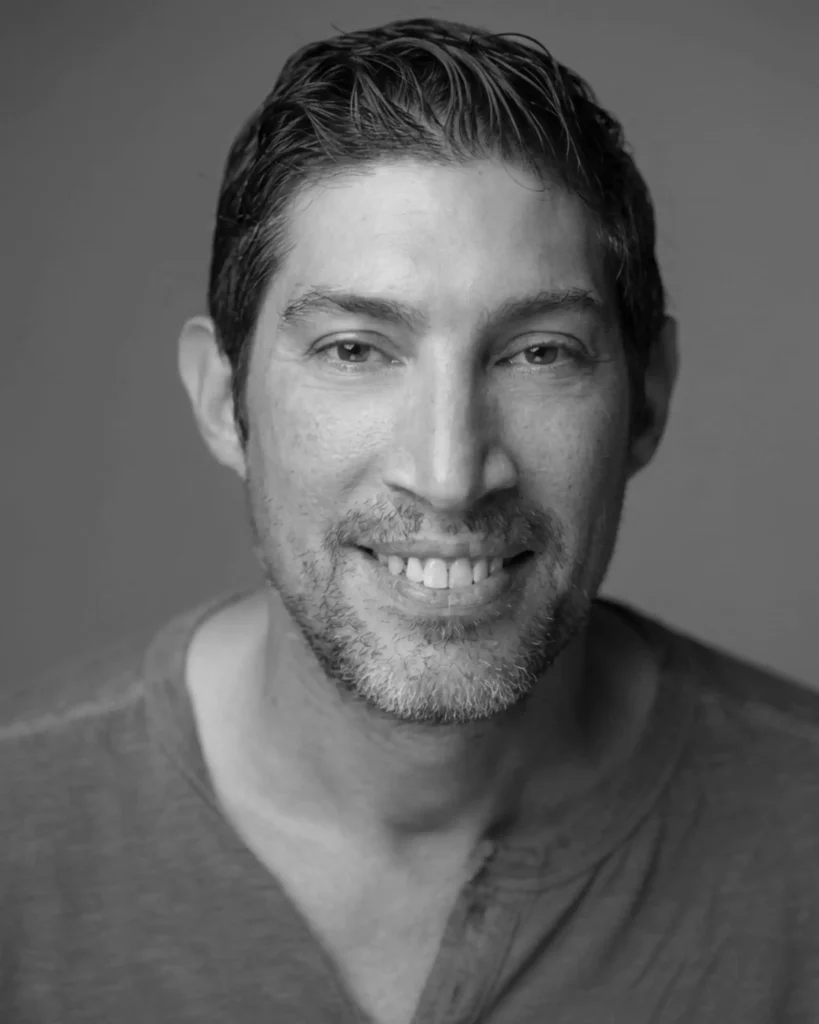
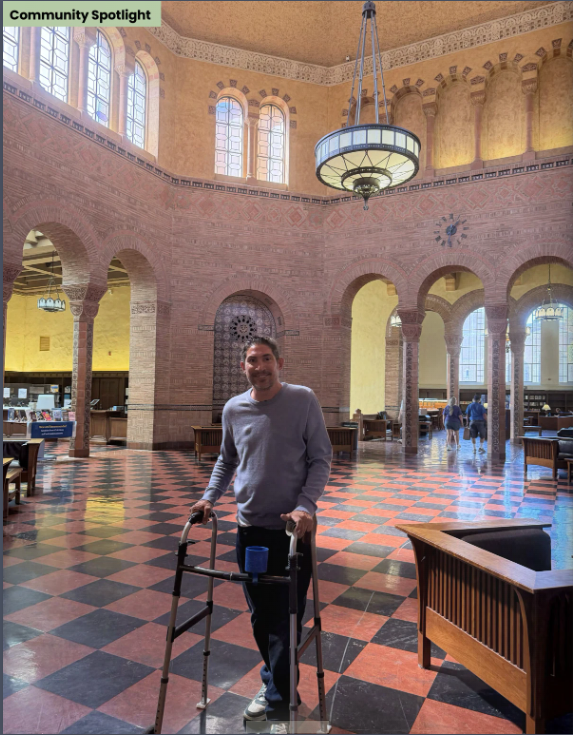
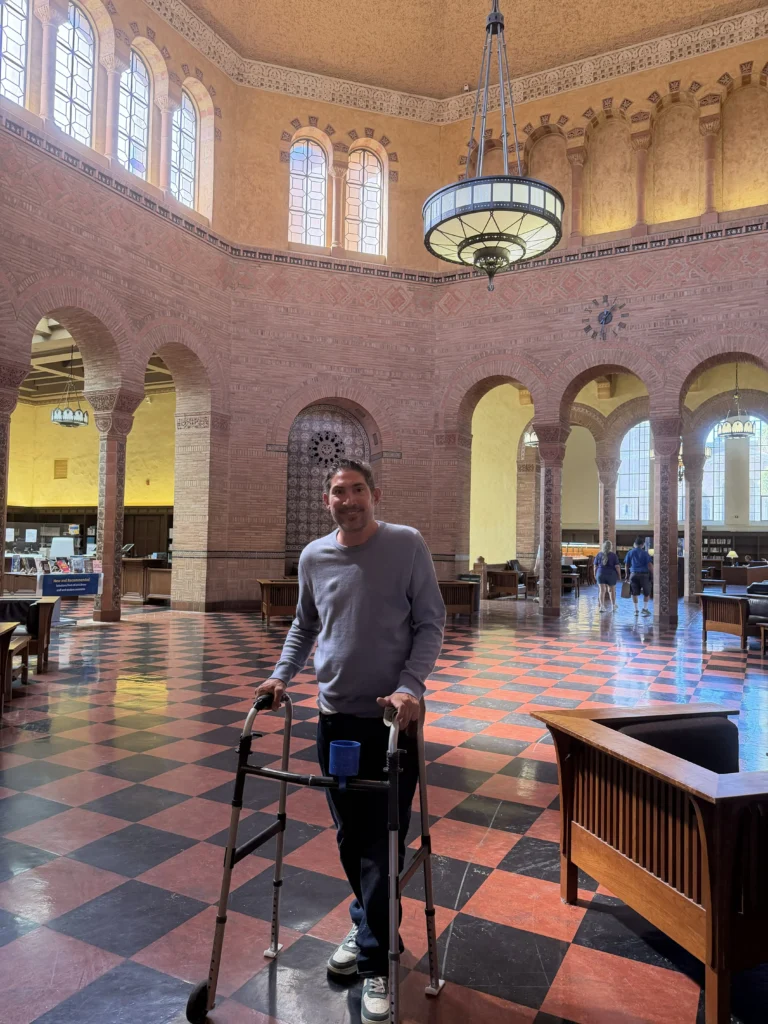
Bill Volkmann has built his work around the belief that courage can help change the way disability is understood. As the founder of Empower Your Courage, he draws on his lived experience with cerebral palsy, along with decades of navigating spaces that have not always been designed with disability in mind, to advocate for greater understanding, opportunity and connection. In this Q&A, he shares the experiences that shaped him, the thinking behind Empower Your Courage and his perspective on what it will take to build a more inclusive world.
About Bill’s journey
Looking back, what moments most shaped the person and advocate you are today?
To this day, one of the experiences that shaped me the most was becoming the first student with an intellectual or developmental disability to attend a New Jersey public school. My mom told me I wasn’t just doing it for myself, but for the many students who would come after me. I didn’t fully understand it then, but three years later, when I saw other students with disabilities in school, I realized I had helped open the door for them. That experience inspired me to become an advocate, and it continues to shape who I am today.
Your mother once told you, “You don’t have the problem. They have a problem.” How has that advice influenced your life?
At an early age, I realized the best way to change people’s perceptions was to let them get to know me beyond my disability. I hoped that by knowing me, they would see others with disabilities differently. Years later, when I joined Facebook in 2009, former classmates reached out to tell me that knowing me had shaped the way they treated and understood people with disabilities. Hearing that was incredibly meaningful and reinforced my commitment to advocacy.
How has living with cerebral palsy shaped the way you see possibility rather than limitation?
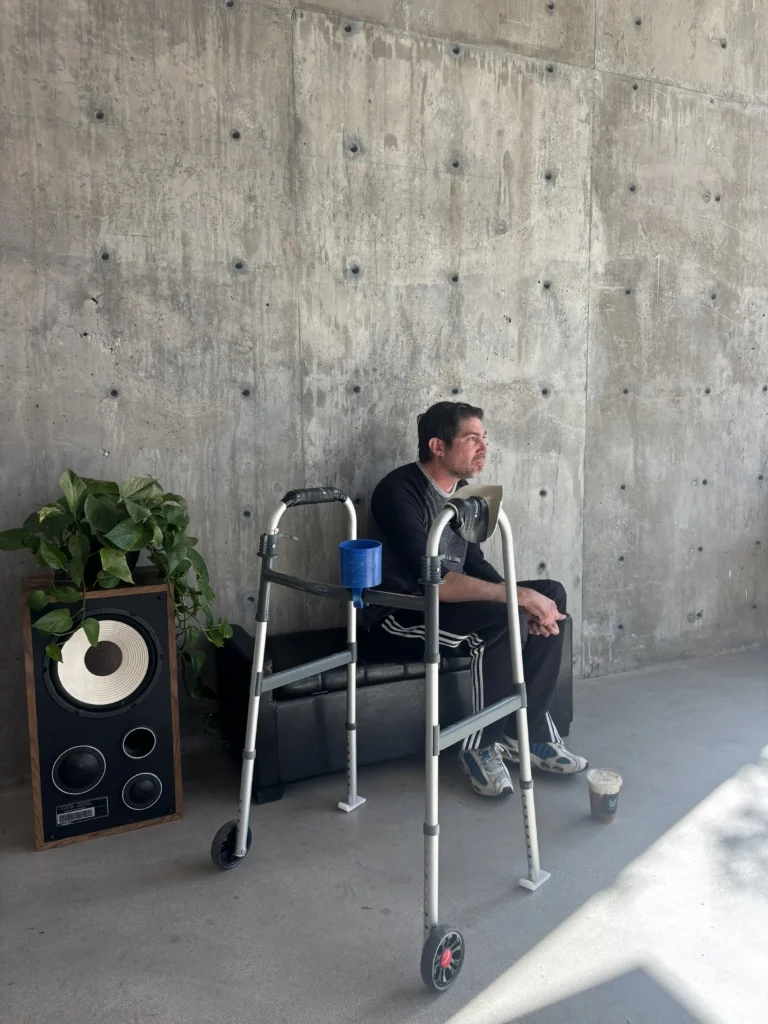
Living with cerebral palsy has taught me the importance of adapting. Sometimes I have time to figure things out, and other times I have to adjust in a split second. Whether it’s finding a new path when my walker can’t get through or changing a word mid-sentence because it’s difficult for me to say, I’m constantly problem-solving. I call this “flexible thinking” because we as people with disabilities know we often need to adapt at a moment’s notice. It’s a skill many people with disabilities develop every day, and it has become one of my greatest strengths.
The Birth of Empower Your Courage
What inspired you to create Empower Your Courage, and what problem were you determined to solve?
I’ve realized that people with disabilities, regardless of age or type of disability, want the same things everyone else does: to work, socialize, and fully participate in their communities. Too often, I find myself being the only person with a visible disability in places where I know many more should feel welcome. 1 in 4 Americans has a disability, so I should not be the only one I see when I am out. One experience that has stayed with me was meeting two young boys at the Challenged Athletes Foundation who said they loved attending the annual event because, for those four days, they felt like everybody else. Hearing that reminded me of what my own friends said 30 years earlier, and it reinforced my belief that we need to build a more inclusive world where future generations don’t have to wait for special events to feel like they belong.
Why did you choose media and technology as your vehicles for change?
I believe media has the power to change perceptions by showing authentic representation of people with disabilities. When society sees our talents, contributions, and everyday lives, it begins to recognize the value we bring. Technology is equally important because it gives people with disabilities the tools to showcase their abilities and reach their full potential. Together, media and technology can help empower the largest minority group in the United States and around the world.
If you could describe the mission of Empower Your Courage in one sentence, what would it be?
To bridge the gap between human potential and inclusive innovation by empowering individuals with disabilities to live boldly, while partnering with technology, media, and corporate leaders to build a fully inclusive world.
Changing perceptions
You often speak about bridging the gap between disabled and non-disabled communities. Where do you think that gap still exists today?
I believe one of the biggest gaps we still face is that people naturally gravitate toward those who are like themselves. Real progress happens when we step outside our comfort zones and build relationships with people who have different experiences. I learned this firsthand when I became the first student with a disability to attend my public school. To succeed, I had to help my classmates see me as a person first, not just my disability. That experience showed me that understanding begins with connection.
What are the biggest misconceptions people continue to have about disability?
One of the biggest misconceptions about people with disabilities is that we are incapable. The reality is that we have the same potential as everyone else, we may simply accomplish things in different ways. I once met a nonverbal woman with cerebral palsy who, despite being underestimated by many, was a talented poet and author with remarkable insight. She reminded me that a person’s abilities should never be judged by how they communicate or what others see at first glance.
In your experience, what helps people move from awareness to genuine inclusion?
I believe that when people spend time with people with disabilities, they quickly realize we are more alike than different. Genuine inclusion happens when people see the person first—not the disability. That’s how understanding grows and stereotypes begin to disappear.
Technology and innovation
Technology has the potential to transform accessibility. What innovations excite you the most?
I’m especially excited about the potential of AI-powered speech technology. I participated in Google’s Project Relate, which was designed for people with nonstandard speech. At the beginning of the big AI boom in 2022, it was incredible to me to see an app understand most of what I said. Sadly, the project ended, but with today’s advances in AI, it makes me confident that even better communication tools are possible. I also see tremendous potential for AI to help people who are nonverbal communicate more easily and independently.
Where do you believe technology companies are getting disability inclusion right, and where do they still have work to do?
I see AI creating new opportunities for children with disabilities by providing support earlier in their development. While technology can be a powerful tool, young people will still need opportunities to grow, learn, and advocate for themselves. We also need to focus more on adults with disabilities. From communication tools and accessible infrastructure to employment opportunities, companies should use the technology available today to help improve the lives of people with disabilities across all generations.
How can businesses involve disabled people earlier in product design rather than treating accessibility as an afterthought?
This has been one of the main issues I have advocated for. As AI technology develops, we are seeing human biases, including discrimination, reflected in the systems we create. Without full representation of society, including people with disabilities, AI has the potential to create new barriers and widen existing gaps. Even when it is unintentional, people with disabilities must be included in the development and design of these technologies so AI works for everyone.
Personal resilience
You have faced significant health challenges, including a difficult surgery and recovery. How did that experience change your perspective on purpose?
Being in my early 20s and facing my first major operation, I didn’t know what to expect. The first surgery went well, but then there were complications, and the surgeons had to go back in to repair something in my spinal cord. When I woke up, I was temporarily paralyzed from the waist down. I had spent my whole life moving, and then in one second, I couldn’t move my legs. That was one of the scariest moments of my life, but I got through it.
Over the years, I had many more surgeries, but the one that truly put my purpose into perspective was my cervical neck fusion. I was told it wouldn’t be that bad, but when I woke up, I was on a ventilator. I couldn’t talk because my vocal cords were paralyzed, and I couldn’t use either of my arms. I remember lying there thinking, How am I going to get out of this one? In that moment, I made a promise to myself that if I got through it, I would use my voice to give a voice to people with disabilities. All we’ve ever wanted is full inclusion in society. To me, that’s not too much to ask, it’s the chance to be treated like everybody else.
During your toughest moments, what kept you moving forward?
Two of the hardest moments in my life had nothing to do with my own health. The first was finding out my dad had stage 4 lung cancer, and later that my mom had leukemia. The second was knowing they would no longer be here with me. Even through that loss, I knew they would always be by my side, even if I couldn’t see them. That became my motivation to keep going and make them proud every single day. Even though they can’t tell me now, I know one day I’ll see them again, and they’ll be able to tell me themselves.
How has your definition of courage evolved over the years?
My definition of courage has evolved over the years. When I was younger, I thought courage was something you only needed for big moments, like stepping up to the plate in a baseball game or asking someone a tough question. As I’ve grown, I’ve realized that true courage is getting back up after you fail. Everyone experiences setbacks, but having the strength to learn from them and keep trying is what builds resilience. Those failures become the lessons that help you achieve your goals and dreams.
Leadership
What qualities do you believe define an inclusive leader?
One is understanding. Two is patience. Three is not afraid to take a chance.
What advice would you give CEOs who genuinely want to build more accessible and inclusive organizations?
Don’t look at the wheelchair user’s device to get around; look at the person that is using the wheelchair and what qualities they bring to the table. You can extrapolate this out to any disability. CEOs need to know that people with disabilities have a lot more problem-solving skills because we have to use it everyday to get through our day. We have to be creative because the world was not built for us. And we always have to be determined and ambitious because if we want to do something, we have to use those two things to have success because we are always looked upon as if we can do nothing, and it takes us not only to do it but to do it better.
How can companies ensure disability inclusion becomes part of their culture rather than a one-time initiative?
Companies need to stop viewing disability as simply checking a box. One in four Americans have a disability, so hiring people with disabilities is also a sweet business strategy because they’ll understand the needs of 25% of your customer base. Studies have also shown that employees with disabilities can have a positive impact on workplace culture, often inspiring higher productivity and creating a more inclusive, collaborative environment for everyone.
Looking forward
What does a fully inclusive society look like to you?
A truly inclusive society is one where everyone who wants to work has the opportunity to do so, regardless of their disability. It’s a society where people with and without disabilities interact, learn from one another, and communicate with respect. Most importantly, everyone should have an equal opportunity to pursue their goals without unnecessary barriers. Inclusion isn’t just about access, but about creating an equitable society so everyone has the chance to succeed.
What change would you most like to see over the next decade?
I would like to see more disability education woven into everyday life. Representation matters, whether it’s a CEO who uses a wheelchair or a detective with autism solving crimes on a TV show. Technology companies also have the power to drive change by creating products that support the world’s largest minority group and help make full inclusion a reality.
If Empower Your Courage achieves everything you hope it will, what will be different for the next generation?
If Empower Your Courage can achieve its goals, the next generation will grow up knowing they are no different from anyone else. They will feel that they belong and that there are no limits to what they can achieve. We need people with disabilities represented in boardrooms, laboratories, writers’ rooms, and entrepreneurship roles because they bring perspectives and solutions that others may not see.
Personal
Outside of your advocacy work, what brings you the greatest sense of happiness?
My greatest sense of happiness comes from being at the beach, going to a baseball game, or spending time with my friends. These moments allow me to step away from always thinking about how I can help others and give me the opportunity to simply live in the moment. While making a difference is important to me, it’s also important to remember to enjoy the present and appreciate the experiences that bring us joy.
Baseball has been an important part of your life. What has the sport taught you about inclusion, teamwork and belonging?
I think baseball and sports in general represent inclusion because they are built around teamwork. In order to succeed, everyone has to work together and contribute toward a shared goal. Society is no different with this, if we want to create the best world possible, we need everyone on the same team, valued for their unique abilities and perspectives.
What accomplishment are you most proud of that people may not know about?
The accomplishment I’m most proud of that many people may not know about is becoming a life coach. It may not be something people immediately recognize, but my journey, including the challenges I’ve faced, heartbreaks I’ve overcome, and goals I’ve achieved, has given me a unique perspective on helping others. I’ve learned how to use my lived experience along with coaching skills to bring out the best in people, help them recognize their potential, and support them in reaching their goals.
What message would you like every reader of Accessibility for All to take away after reading your story?
The message I hope every reader takes away from Accessibility for All is the power of positivity. It may seem simple, but staying positive is one of the hardest things to do, especially when facing challenges. I was guilty of letting obstacles define me until after my second neck surgery in 2019. I realized that the way I made it through was by choosing a positive mindset, and I made it my goal to live that way every day moving forward. Over the past seven years, I have made more progress than ever before because I believe a positive mindset is one of the most powerful tools we have to overcome barriers and create the life we want.
PROJECT RELATE
Using your voice is becoming the primary way we interact with our devices, but if your speech is non-standard, you get left out of new technology. We are seeking help to build a platform that will give an accurate way for people with non-standard speech to be understood by their device. That same technology creates a digital voice twin letting us communicate more clearly with other people, too, not just machines. I’m looking for investors and voice-tech partners who want to help give a voice to the voiceless. It’s part of my own journey towards becoming a public speaker, as someone who lives with non-standard speech myself.