Editor's Note
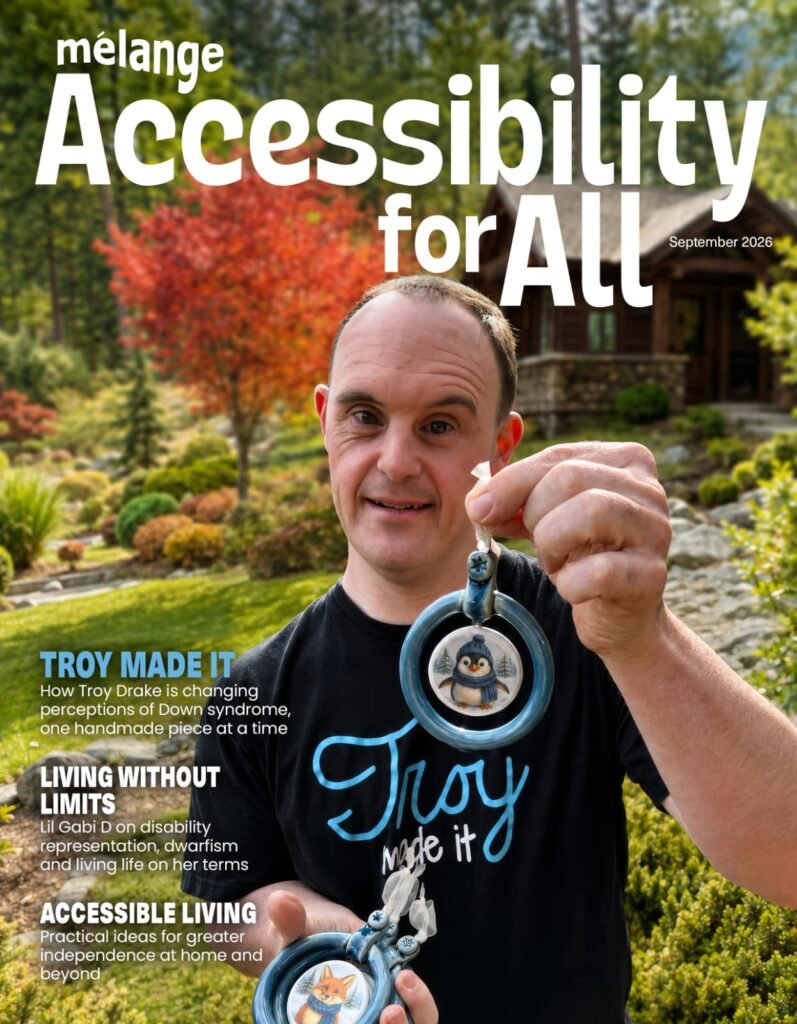
Disability is part of everyday life, and everyday life is made up of far more than one experience. It is independence and innovation, creativity and community, parenting, technology, travel, work, self-expression and so much more. Our cover story, Troy Made It, brings creativity, purpose and generosity beautifully to the forefront.
Cover Story
Treat it like a baby chick
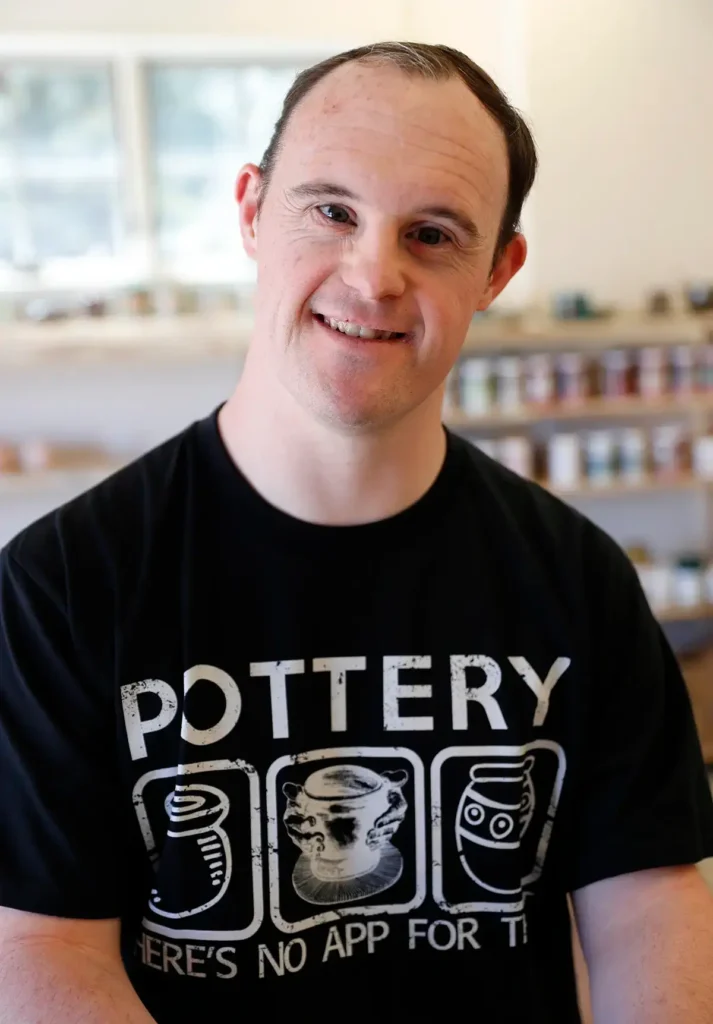
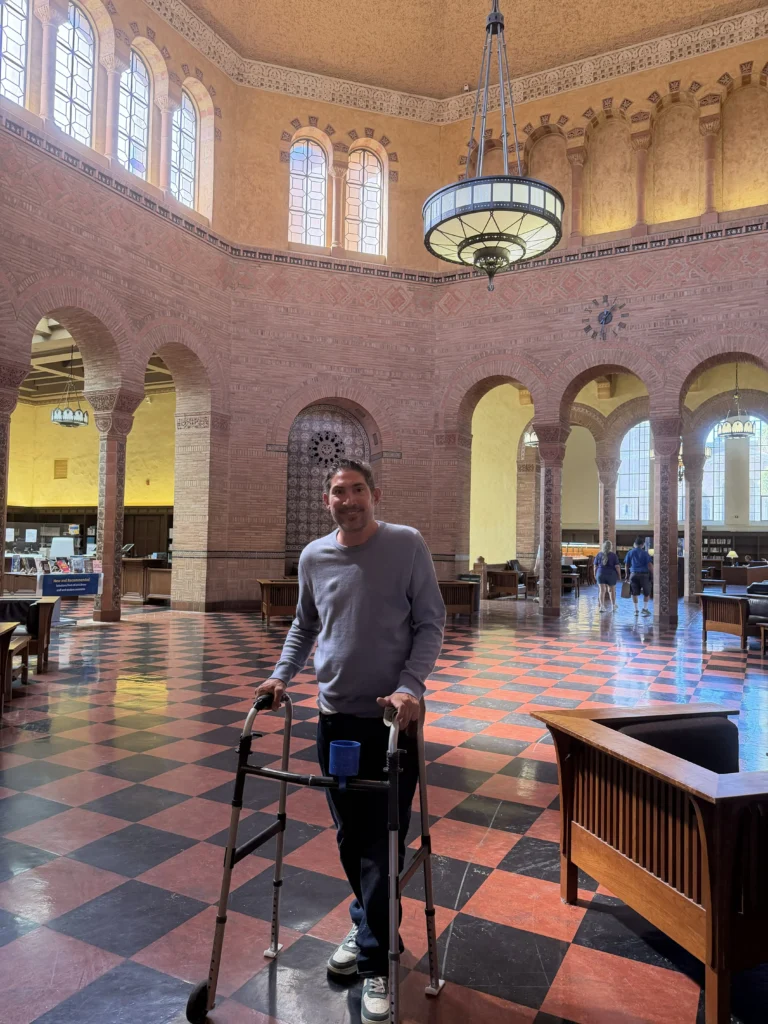
There is a quiet kind of magic that happens when Troy Drake sits down with a piece of clay. He does not rush, nor does he talk much. He simply concentrates, gently shaping each piece with careful hands and complete focus. If someone picks up one of his unfinished creations too quickly, he offers the same reminder every time.
“Treat it like a baby chick.”
Accessible Lifestyle Tips
An Awesome Ordinary Life
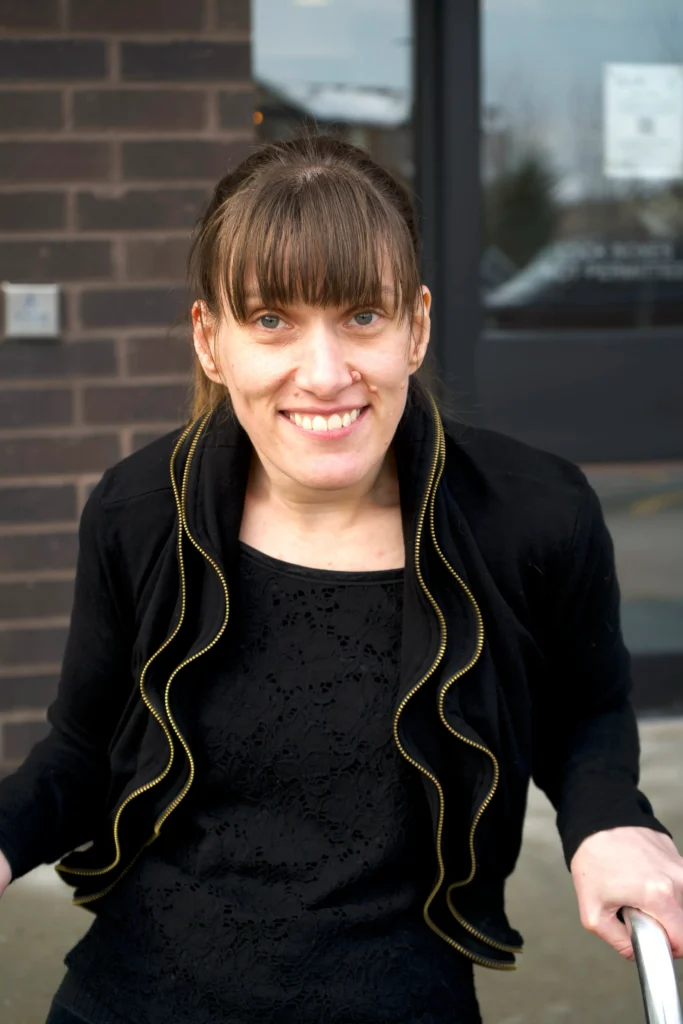
1. What led you to create Empowering Ability, and how has your own experience as a family member shaped the way you support families of people with developmental disabilities?
It all started with my sister, Sarah, back in 2015. Our home was a heavy place then. Sarah felt stuck, and my mom was worn down from caregiving with no end in sight. And everywhere we turned, we heard the same things about my sister. She would never live on her own. She would never have real friends. She would never contribute.
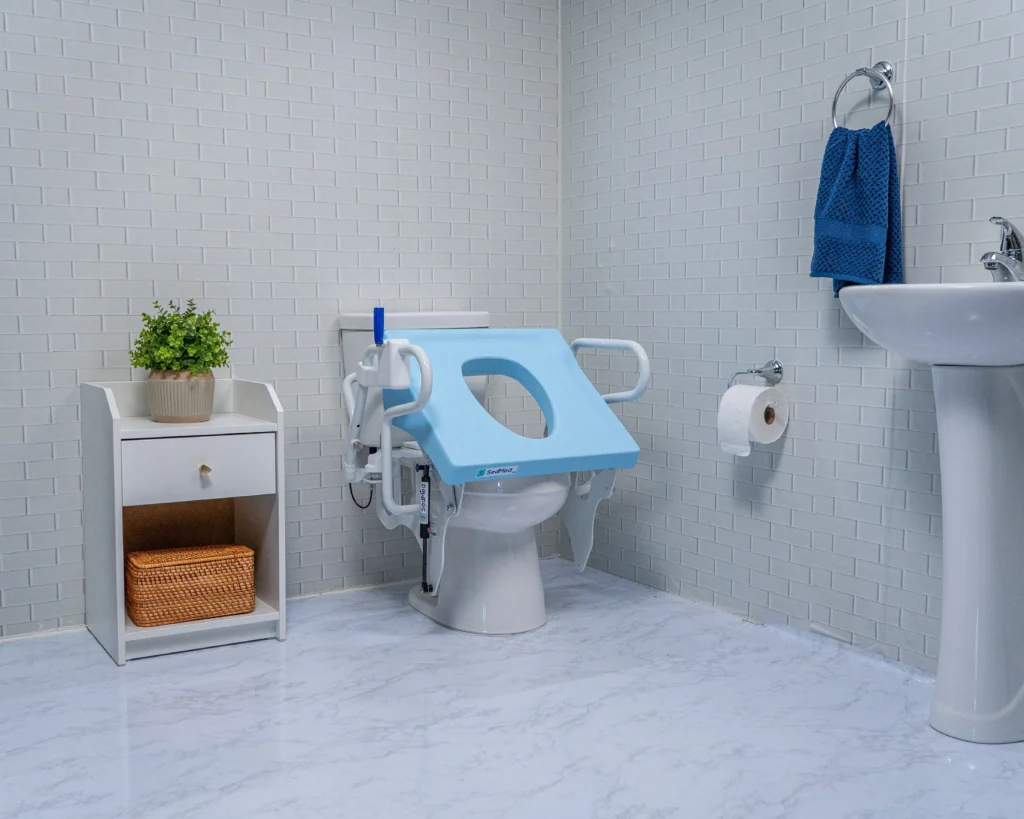
SedMed addresses the often-overlooked challenge of bathroom independence
At the funeral of a woman who had received hospice care, her family expressed their tearful gratitude to the man who had donated a toilet seat lift for her use. The device had helped the woman continue using the toilet independently near the end of her life. Without it, the next step would have been a bedpan. To her family, the toilet seat lift had offered something far more significant than assistance with sitting and standing. During a dark and difficult time, it had helped her retain her dignity.
Community Spotlight
Bill Volkmann on courage, inclusion and changing perceptions of disability
Bill Volkmann has built his work around the belief that courage can help change the way disability is understood. As the founder of Empower Your Courage, he draws on his lived experience with cerebral palsy, along with decades of navigating spaces that have not always been designed with disability in mind, to advocate for greater understanding, opportunity and connection. In this Q&A, he shares the experiences that shaped him, the thinking behind Empower Your Courage and his perspective on what it will take to build a more inclusive world.
Community
Creating belonging through Arts, Culture, and Community
By Carrie Ann Trubenstein
What happens when inclusion is about more than access? What happens when people with and without disabilities are given meaningful opportunities to create, contribute, and participate alongside one another in the cultural life of their communities?
That question is at the heart of Shagara, a New York nonprofit founded by Carrie Ann Trubenstein to create belonging through arts, culture, and community.
Deaf Insights
Deaf Insight by Angela Lynn
Beyond One Language: Understanding ASL, International Sign, and Global Misconceptions
Are American Sign Language and International Sign recognized as universal languages by organizations such as the United Nations, the World Federation of the Deaf, or the National Association of the Deaf? The answer is NO!
From my experience as a Deaf person, I have seen firsthand how assumptions about sign language can create misunderstanding rather than connection.
Entrepreneurship
Starting a business with a disability: Practical tips for future entrepreneurs
By Ed Carter
People with disabilities who are considering business ownership may find entrepreneurship offers something traditional employment does not always provide: greater control over how, where, and when work gets done. Owning a business can make it possible to design work around your strengths, preferred schedule, accessibility needs, and ambitions.
Everyday Access
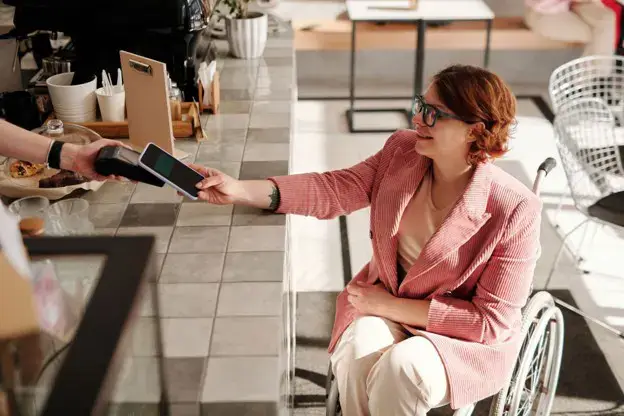
How retailers can create welcoming shopping for everyone
By Don Lewis
For local shop owners, store managers, and frontline retail teams, retailers enhancing accessibility often run into a real tension: the store can feel “fine” to most people while the shopping experience for people with disabilities includes barriers that quietly add stress, slow down choices, or end the visit early. Disability inclusion in retail isn’t just a values statement, it’s a daily practice that has to hold up under real foot traffic, tight staffing, and imperfect layouts. The hard part is that inclusive retail design challenges can hide in plain sight until someone is excluded.
Health And Wellness
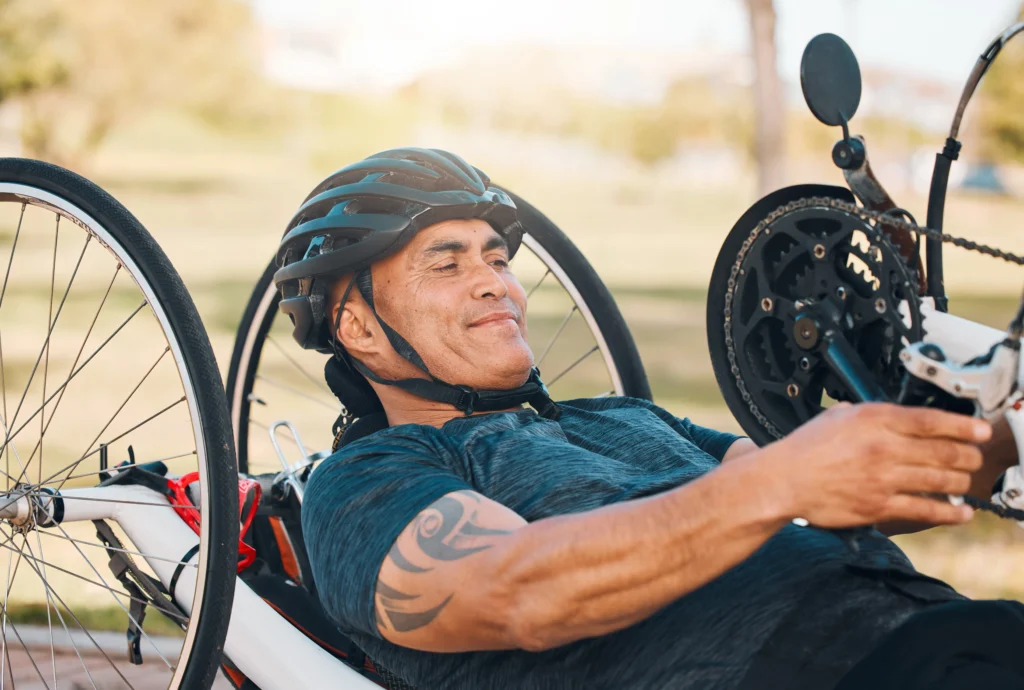
How to get started with adaptive cycling
Cycling does not have to involve balancing on two wheels, gripping standard handlebars or pushing pedals with both feet. Adaptive cycling offers different equipment and adjustments that make riding possible for people with a wide range of physical, sensory, cognitive and neurological disabilities.
Getting started begins with understanding what works for your body, your budget and the kind of riding you want to do.
Inspirational Stories
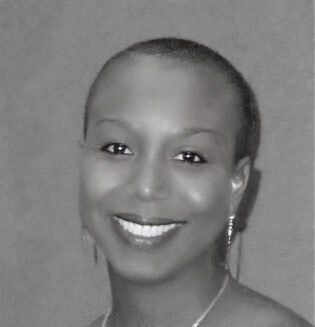
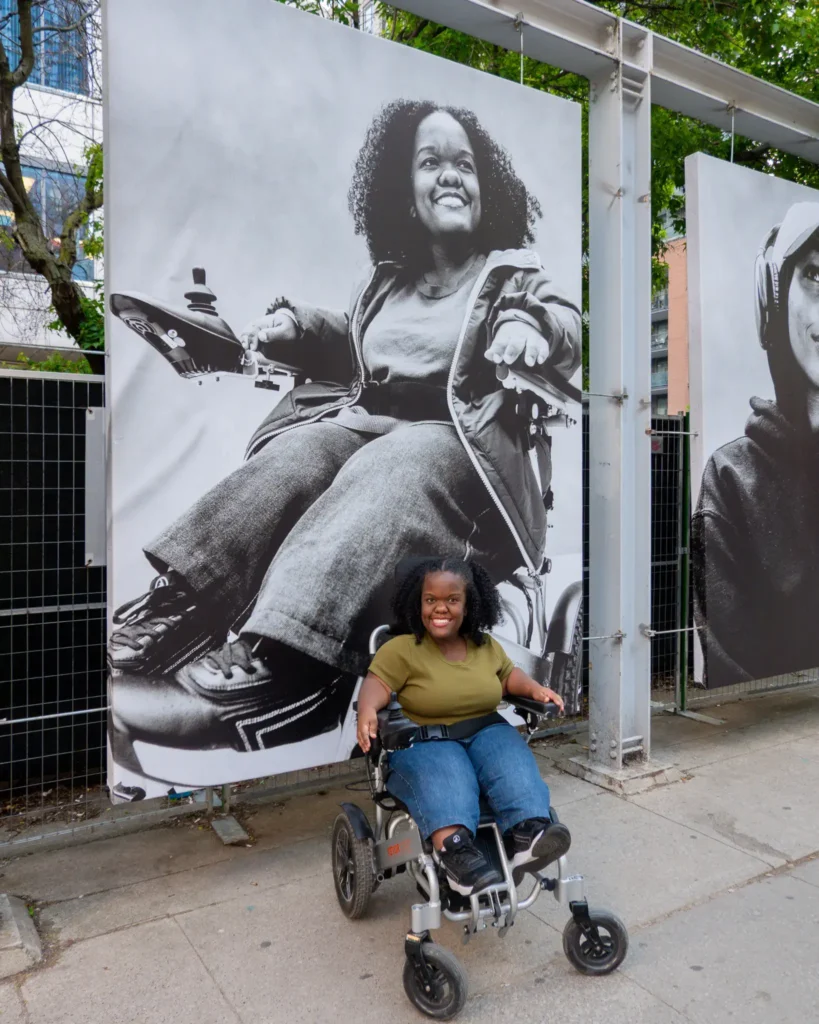
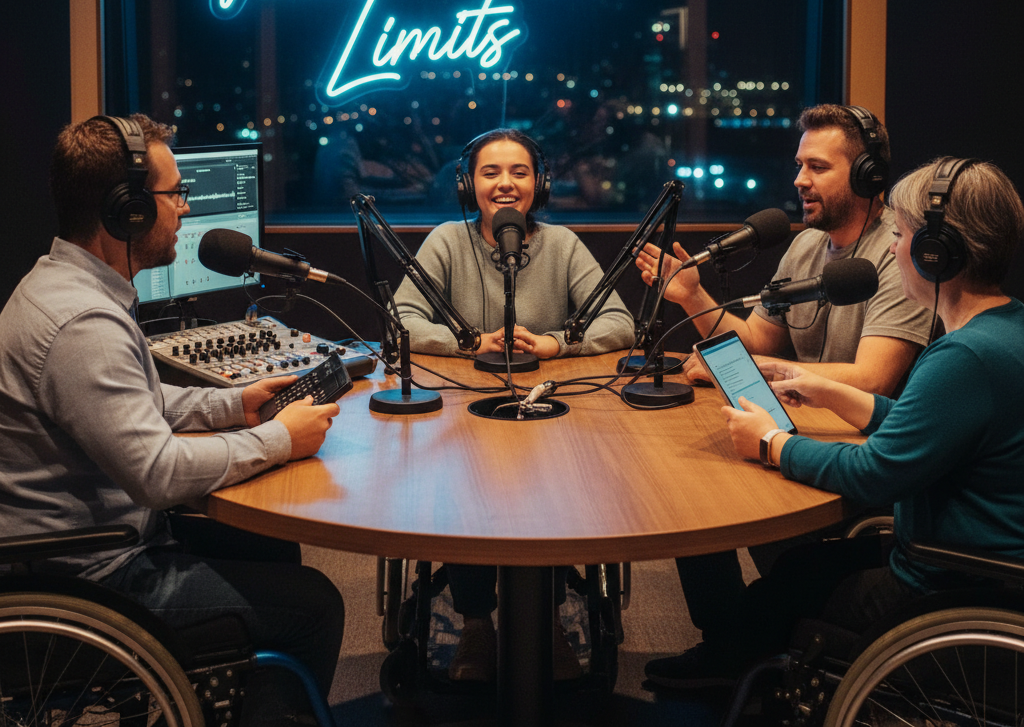
Lil Gabi D on disability representation, dwarfism and living without Limits
There is a moment in every conversation with Lil Gabi D when you realize she isn’t trying to change who she is. She is trying to change what people expect.
Known online as the “Friendly Internet Little Person,” the Canadian content creator has built a community by sharing everyday life with honesty, humour and openness. What began as a creative outlet on YouTube has grown into something much larger: a platform where disabled people can see themselves reflected and where everyone else can gain a better understanding of disability beyond the stereotypes.
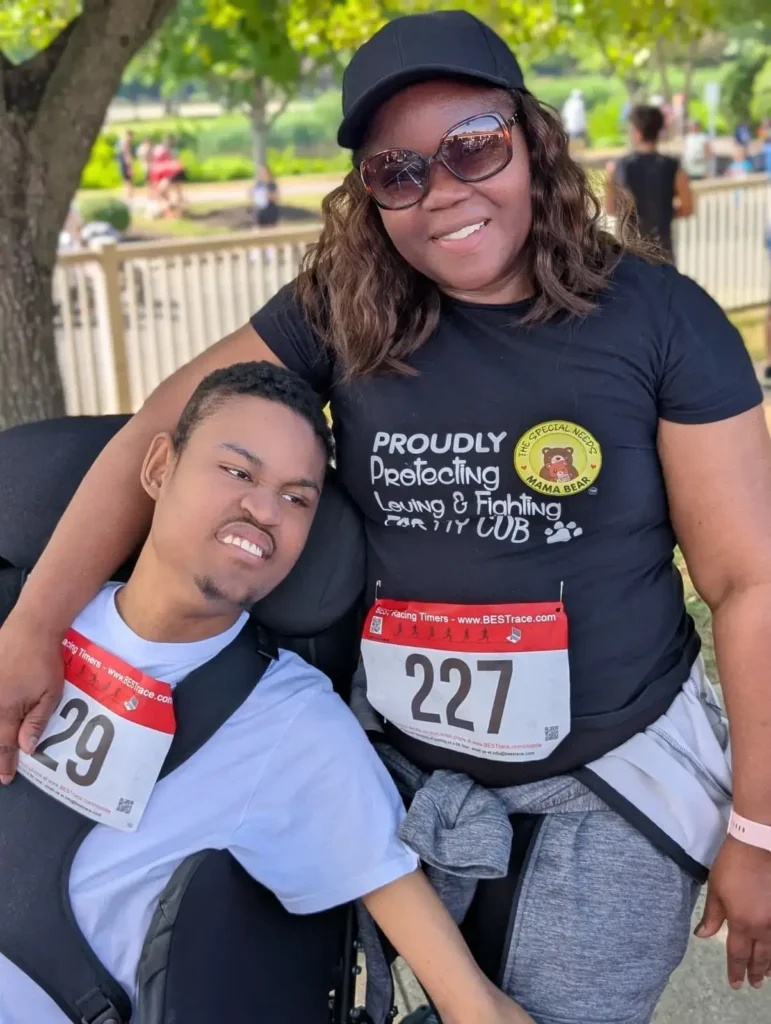
Special Needs Mama Bear
Loving our children beyond our lifetime: why future care begins with what we write down
By Christine Staple Ebanks
Lately, I have been thinking a lot about mortality.
I know that is not exactly a staple conversation topic in today’s social space. Most of us do not enjoy thinking about our own death. As women, wives, mothers, daughters, and caregivers, we prefer to focus on living. We like to believe we will always be here for the people we love.
For parents of children with disabilities, however, the conversation carries a different weight.
Let's Gab
Choose You
By Gabrie’le Eato
It feels good to be able to say that I am happy.
For a long time, I felt as though expressing the happiness I felt inside was somehow wrong or strange. I am naturally a very expressive person. I give a lot of details when I speak, and when I am excited, people can usually see it. That is simply who I am.
Practical Living
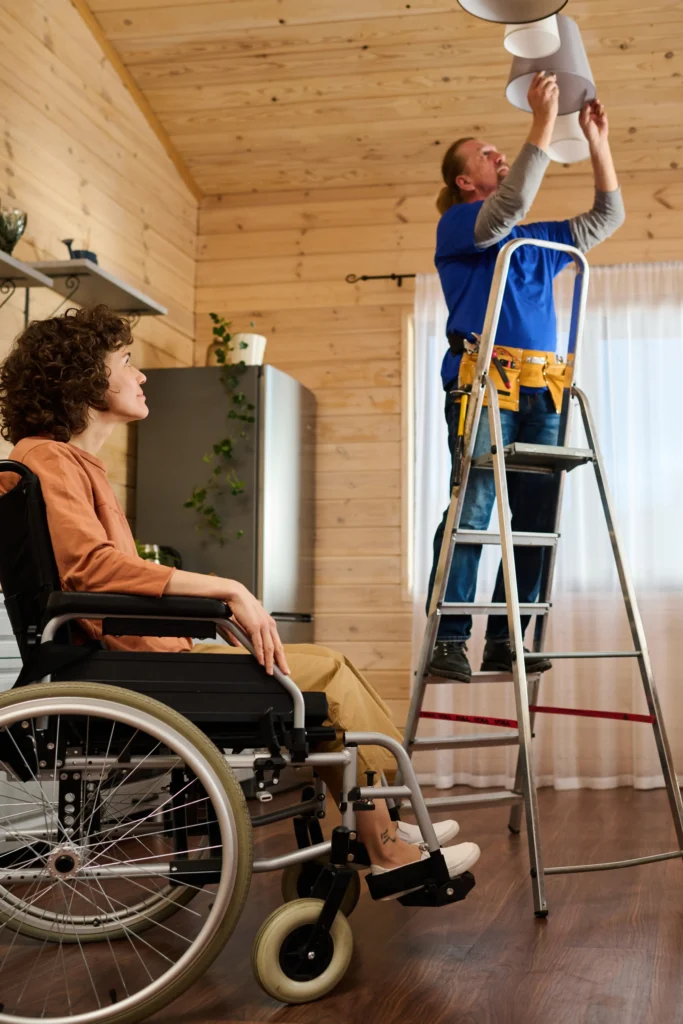
Small home changes that can make everyday life easier
By Alicia Williams
The hardest part of making breakfast might have nothing to do with cooking. It could be reaching the frying pan, opening the milk, standing long enough to prepare food or remembering which cupboard holds the tea.
For people with disabilities, everyday tasks often become harder because homes are arranged around assumptions about how bodies move, see, hear, concentrate and conserve energy. Changing those assumptions does not always require renovations.
A force of nature: remembering Jonathan James Maycock
By Matthew Medeiros
There are people whose stories deserve to be remembered not because of the challenges they faced, but because of the lives they chose to live.
Jonathan James Maycock was one of those people.
At just twenty years old, Jonathan’s life changed forever after a diving accident resulted in a T6 spinal cord injury. For many, that moment might have become the defining chapter of their story. Instead, Jonathan refused to let it define him.
Technology
Smartphone accessibility features you may not be using
By Alicia Williams
Smartphones contain dozens of accessibility settings, but many remain hidden inside menus most people rarely explore. These tools can make it easier to read, hear, communicate, concentrate and control a device. Some may also be helpful when a disability is temporary, when someone is recovering from an injury or when environmental conditions make a phone harder to use.
BBGo is giving airport passengers another way to move independently
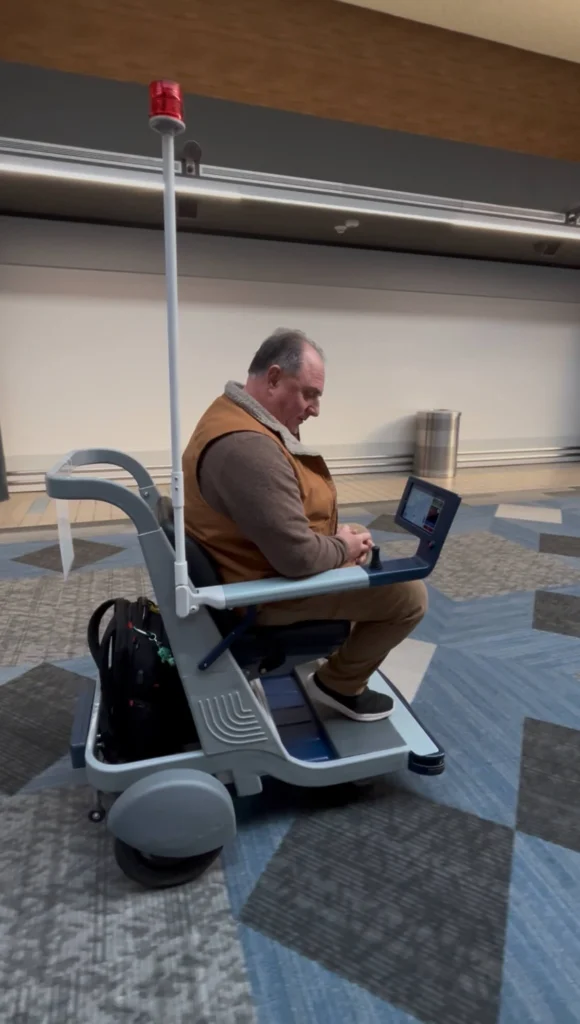
For travellers who find long airport distances difficult, getting to the gate can consume energy needed for the journey ahead. BBGo, an autonomous mobility service developed by Blueberry Technology, is designed to give some of those passengers greater control over how they move through large public spaces.
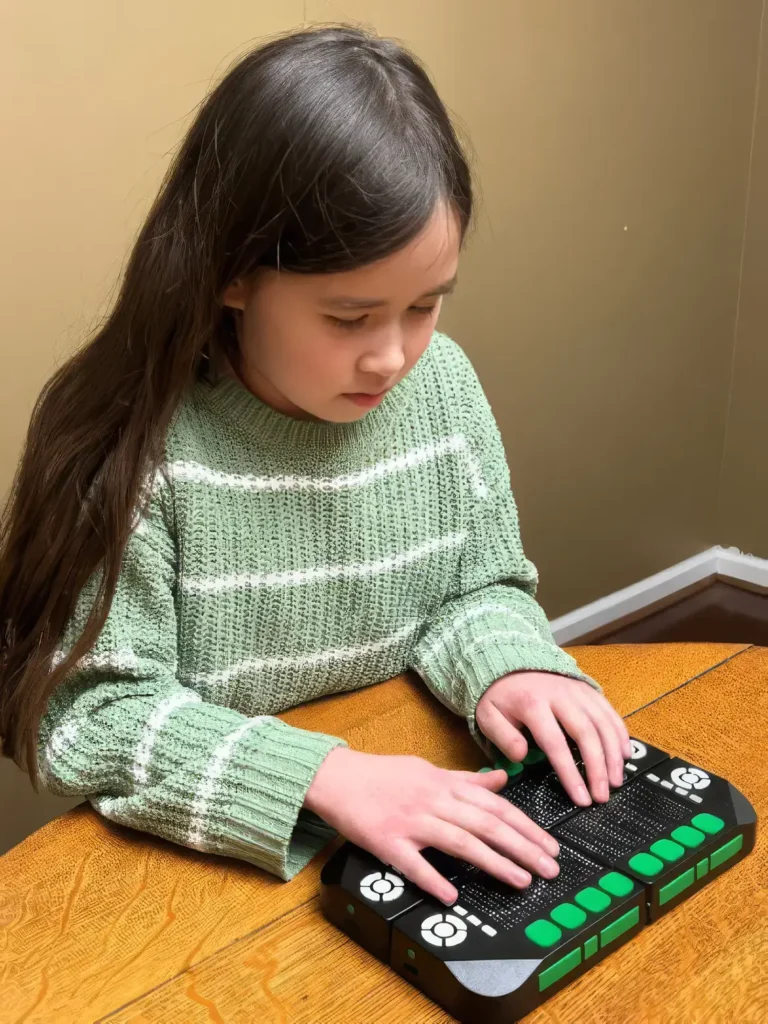
Cadence gives blind and low vision users new ways to learn, work and experience the world
At the Indianapolis 500, speed is usually something people see. Cars cut around the track, positions change in an instant, and the race becomes a visual language of movement, timing and distance. For many blind fans, that kind of event has often been experienced through sound, description and the reactions of people nearby. Cadence changed that.
Canadian mobility innovators find new opportunities in Australia
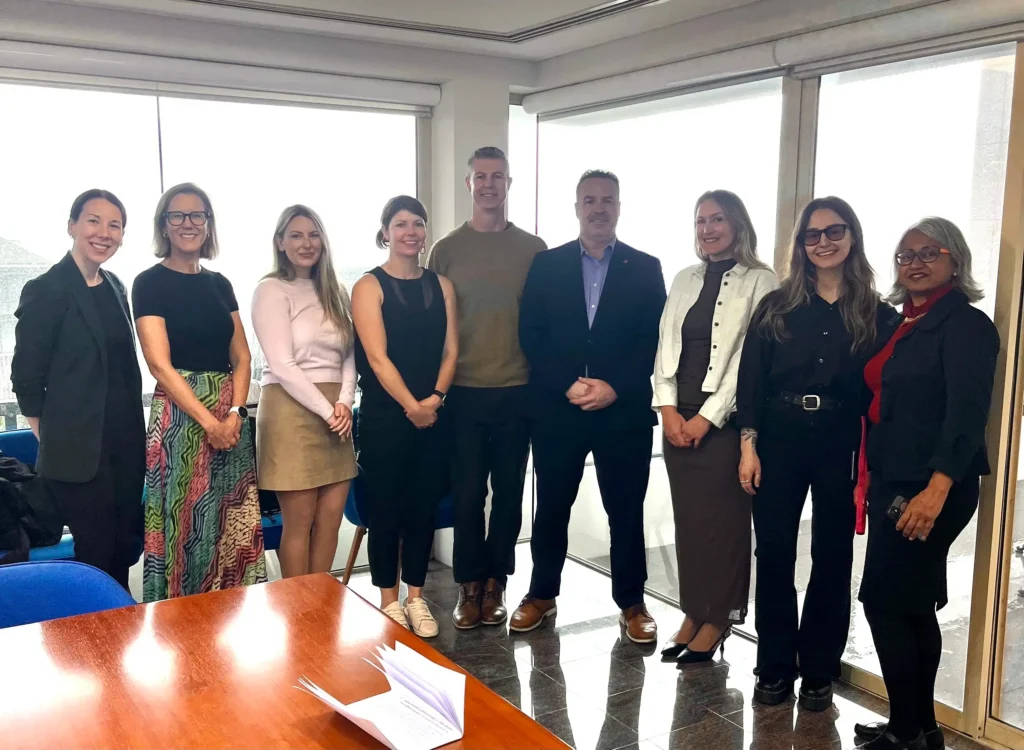
For companies developing assistive and accessibility technology, creating an innovative solution is only one part of the challenge. Reaching new markets, understanding unfamiliar systems and finding the right partners can be equally important. Those challenges were at the centre of a recent Australian market visit organized through the Mobility Unlimited Hub, a cohort-based program at MaRS Discovery District.
Selected Reads
Smart content from trusted sources carefully chosen for you. Not our words, but ones worth sharing.
The role of protein quality in combatting muscle loss for healthy aging
What you eat matters: older adults who increase their intake of high-quality protein may extend the years spent in good health.
Getting out of bed and sitting on the toilet may be relatively simple tasks for many people, but they become more difficult with age. This is because of one of the many bodily changes associated with aging: our muscles shrink and become weaker, a condition known as sarcopenia.
Some disabled workers can legally be paid $3.31 an hour. Here’s how to reform a system built for a different era
Disabled people employed in specialist disability workplaces – what used to be called sheltered workshops but today are more often called Australian disability enterprises – can be paid sub-minimum wages as low as $8.32 under the relevant award, the Supported Employment Services Award.
How do teens living with disabilities in Ghana view their future? We asked them to show us
By Mary Asirifi
About 8% of Ghana’s population is disabled. A high percentage are adolescents, which could be linked to the country’s dominant population of young people (15 to 35 years).
The perspectives of adolescents with disabilities in Ghana are often overlooked, as most of the time, society views the cause of the disability as related to parental sins against the gods, being a descendant of river gods, and bewitchment or curses by family members.
Why walking football offers older people a different story about ageing
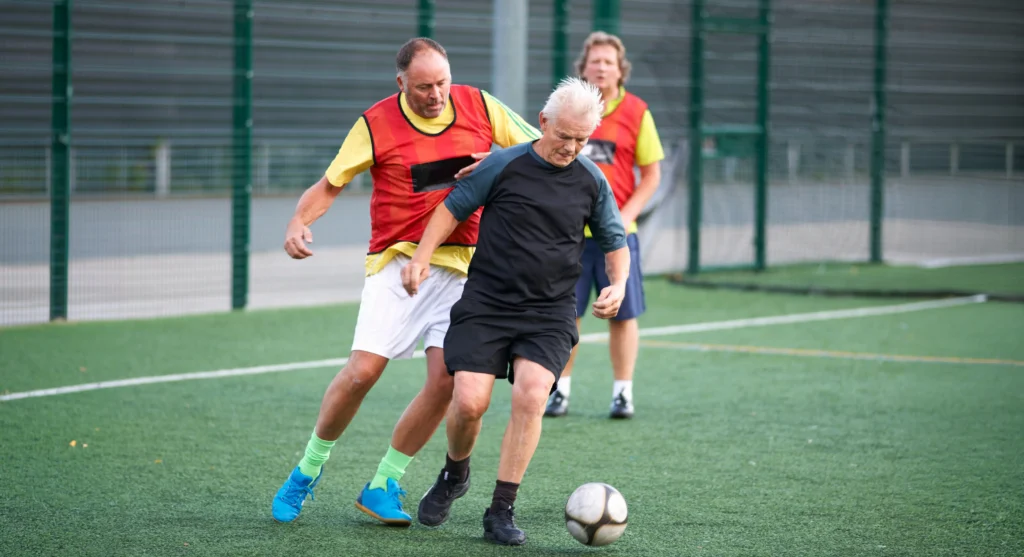
On football pitches across the UK, thousands of people in their 50s, 60s and 70s are proving that the beautiful game does not have to end with age. Walking football is a variation of running football (or soccer) mostly targeted at older people.
But what’s it like to play football later in life? According to the walking footballers I interviewed for my latest research, the sport has become a way for them to push back against common ideas of ageing as a period defined by illness, decline and dependence.
Worried About Your Aging Parents? Welcome to the Caregiving Club
Cara Anthony tries to convince her HealthQ co-host Blake Farmer that there are benefits to embracing the caregiver identity when helping an aging parent.
When his father was diagnosed with gallbladder cancer in 2025, William Morrison immediately went into caregiving mode.
“We were in the hospital every day,” he said. “I was really playing the intermediary between the medical staff and our family and kind of helping have those conversations and push for those answers.”
Voices without limits
Spotlight on bloggers with disabilities
Tylia Flores is an author, speaker, and advocate from the United States who lives with cerebral palsy. Through her blog, Writer’s Hub, she shares personal reflections on disability, faith, resilience, and identity. Drawing on her lived experience, Tylia writes about overcoming challenges, embracing purpose, and raising awareness of cerebral palsy. Her work encourages inclusion, self-acceptance, and meaningful conversations about disability while inspiring readers to pursue their goals with confidence and determination.
Snippets from the WWW
Essential Disability News and Inclusion Stories
We’ve gathered the latest disability news, accessibility updates, and inclusion stories from trusted sources across the web. These curated links highlight the trends, rights issues, and lived experiences shaping the disability community today.